
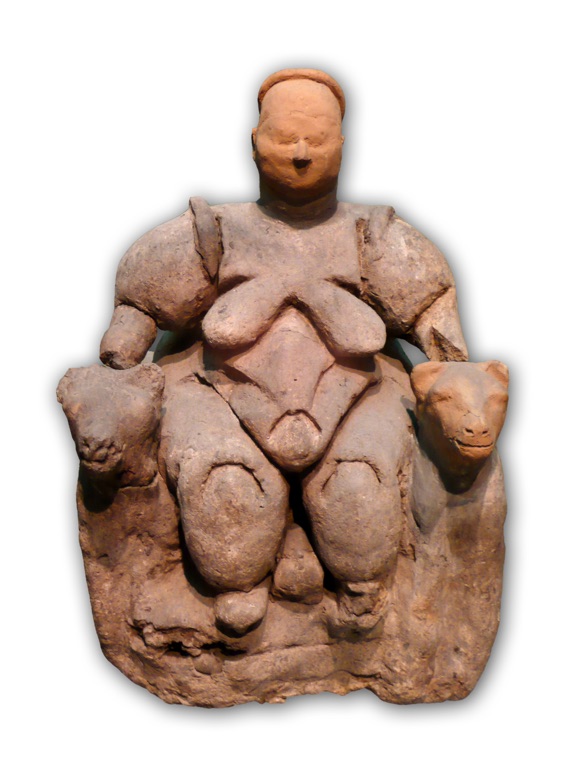
The Seated Woman of Çatalhöyük is a prehistoric artifact discovered in the ancient city of Çatalhöyük, Turkey. This clay figurine, dating back to approximately 6000 BC, is considered one of the earliest examples of human art. The statue depicts a corpulent woman seated on a throne, with her hands resting on leopard heads. The Seated Woman of Çatalhöyük provides a glimpse into the Neolithic era, revealing the society, beliefs, and artistic abilities of the people who created it.
Neural Pathways
Neural Pathways is a collective of seasoned experts and researchers with a profound passion for unraveling the enigmas of ancient history and artifacts. With a wealth of combined experience spanning decades, Neural Pathways has established itself as a leading voice in the realm of archaeological exploration and interpretation.
Our team of researchers and scholars provide unparalleled depth of knowledge in deciphering the intricate narratives embedded within ancient artifacts and deciphering the cultural nuances that shaped civilizations of the past. Through meticulous research, rigorous analysis, and a collaborative spirit, Neural Pathways has made and continues to make significant contributions to our understanding of the human past.
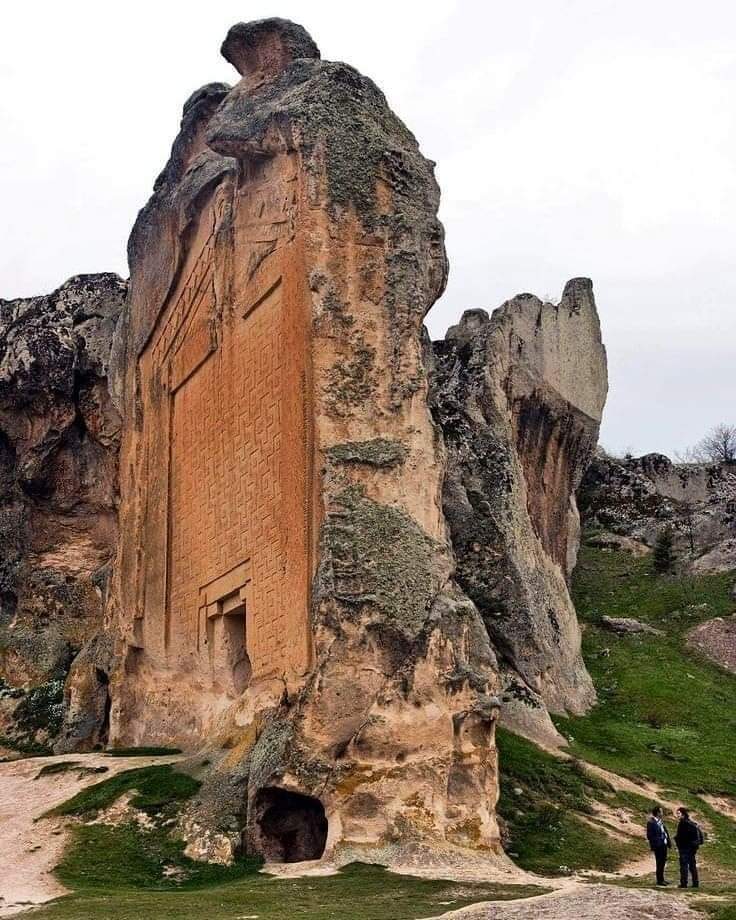
The Midas Monument
The Midas Monument, also known as the Midas City, is a significant historical site located in modern-day Turkey. This ancient site, believed to have been inhabited since the 8th century BC, is named after the legendary King Midas of Phrygia. The monument is most famous for its large, carved façade, often referred to as the “Midas Monument” or “Midas Tomb,” despite there being no evidence that Midas was buried there. The monument is a testament to the Phrygian civilization’s architectural prowess and is a valuable source of information about their culture and mythology.
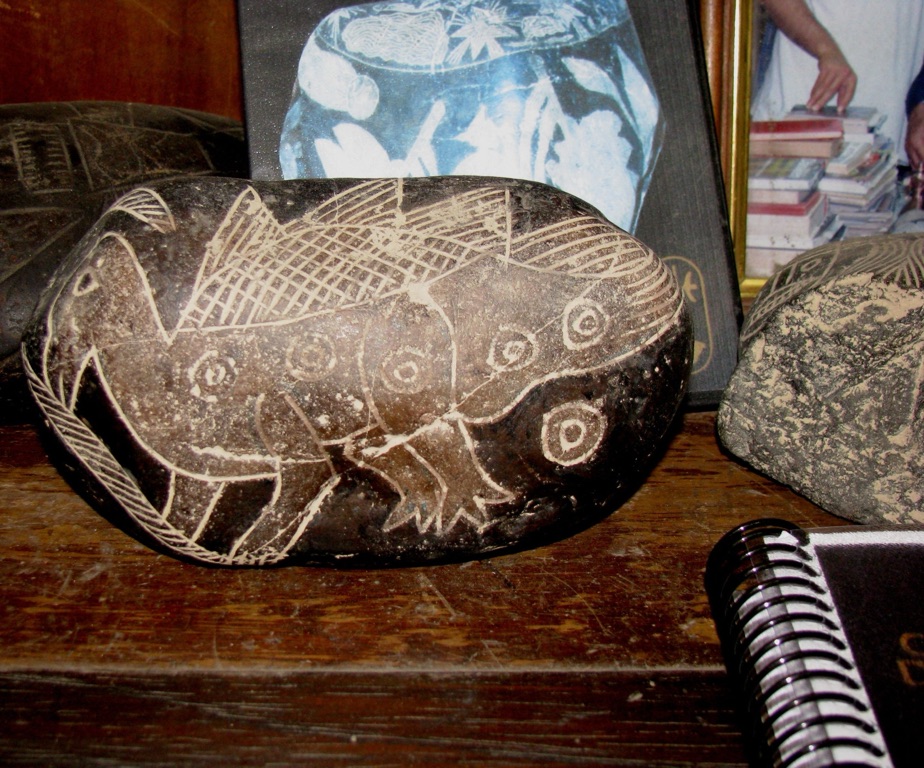
The Ica Stones
The Ica Stones are a collection of andesite stones found in Ica Province, Peru that bear a variety of diagrams. Some of these diagrams depict peculiar scenes such as dinosaurs and advanced technology, stirring up controversy and debate among historians and archaeologists. The stones vary in size from pebbles to boulders, and the carvings are typically composed of continuous lines etched into the rock surface. The authenticity and significance of these stones are still a topic of ongoing discussion.
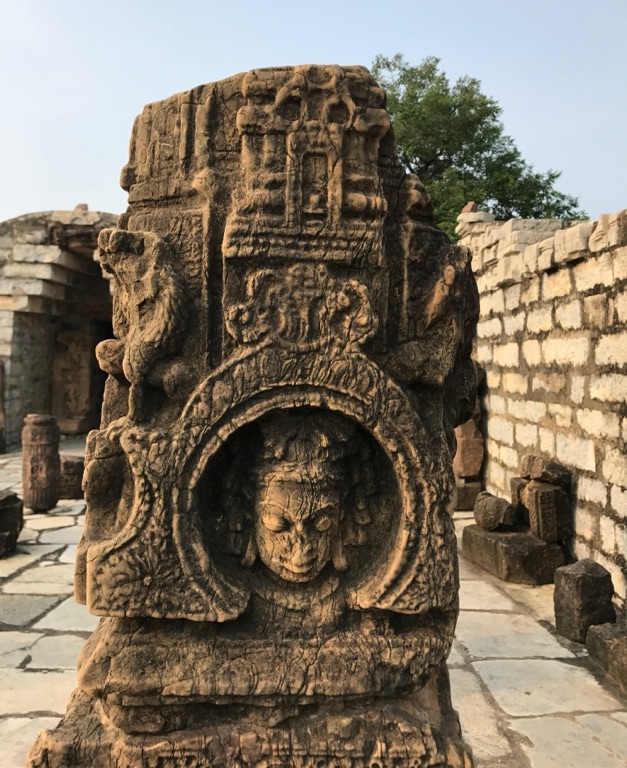
Surang Tila Temple
The Surang Tila Temple, a gem in the heart of Chhattisgarh, India, boasts an impressive history and remarkable architecture. The temple, dating back to the 7th century AD, survived a massive earthquake in the 11th century. Its unique design, featuring a pyramid-like structure with five levels, is a testament to the advanced architectural prowess of the time. Today, the temple stands as a symbol of resilience and an embodiment of India’s rich cultural heritage. The Surang Tila Temple, nestled in the ancient city of Sirpur, is a marvel of the past. Sirpur, once a bustling trade center, was a hub of cultural and religious activities. The temple’s construction dates back to the 7th century AD, during the reign of the Sarabhpuriya kings.
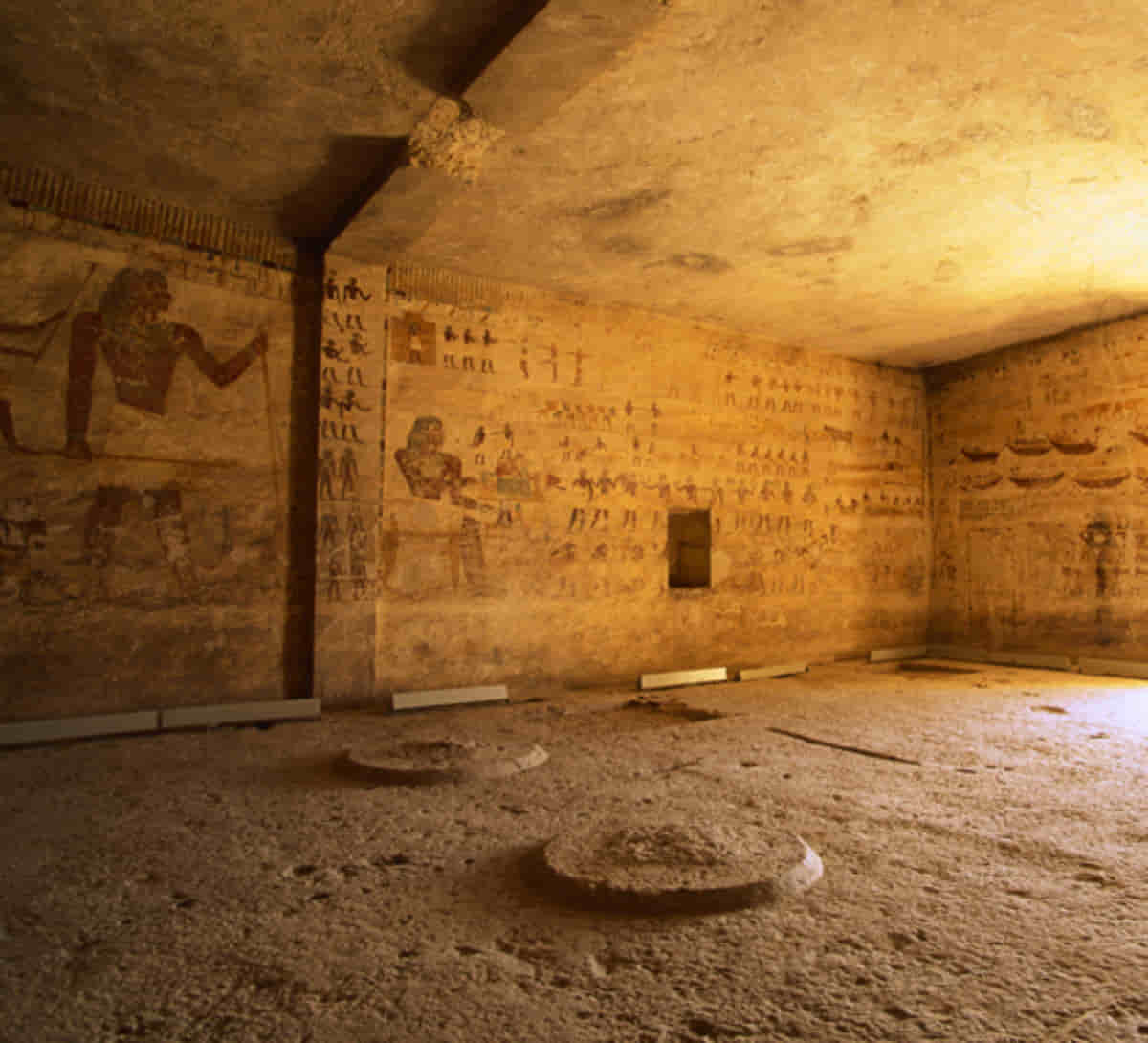
Beni Hasan Tombs
The Beni Hasan Tombs are a collection of ancient Egyptian burial sites located near the modern village of Beni Hasan in Middle Egypt. These tombs, dating back to the Middle Kingdom period (2055-1650 BC), are renowned for their well-preserved wall paintings and inscriptions that provide a wealth of information about ancient Egyptian society, religion, and burial practices. The tombs are cut into the high limestone cliffs on the eastern bank of the Nile and were used as the final resting place for the provincial governors, their families, and other high-ranking officials of the Oryx nome, a region of ancient Egypt.
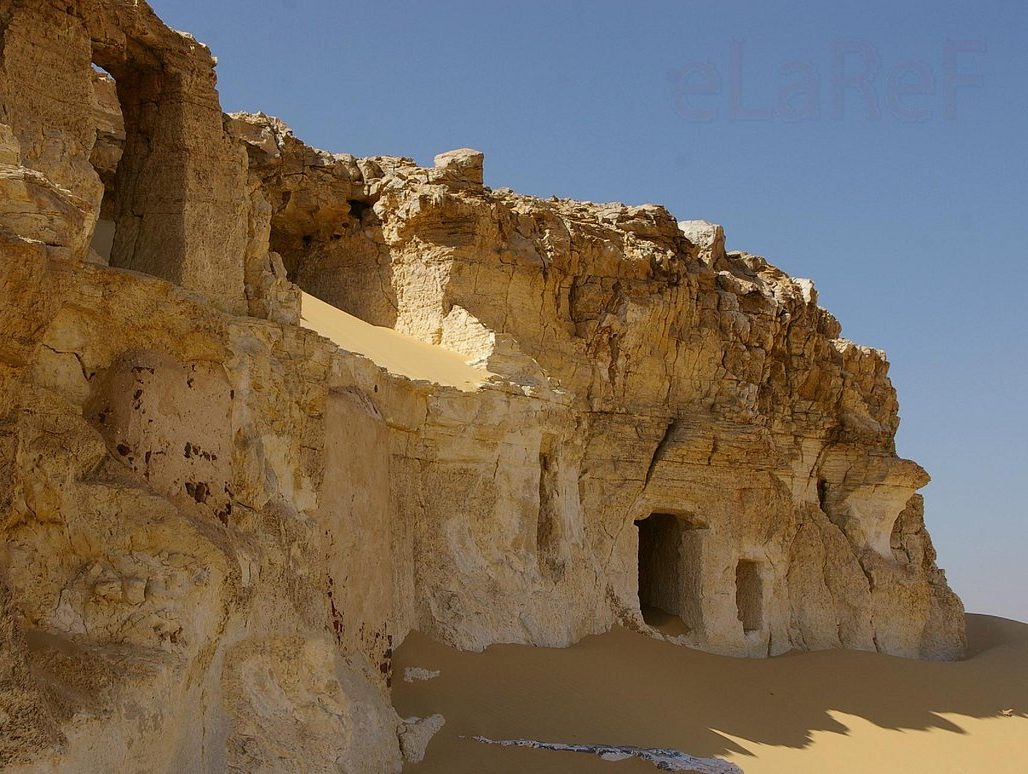
Meir tombs
The Meir tombs are a collection of ancient Egyptian tombs located near the Upper Egyptian town of Meir. The tombs date back to the Old Kingdom and First Intermediate Period, and are known for their beautifully preserved wall paintings. These paintings depict scenes of daily life, offering a unique glimpse into the culture and society of ancient Egypt. The tombs were built for the local nomarchs and their families, and are considered some of the most important archaeological sites in Egypt.