
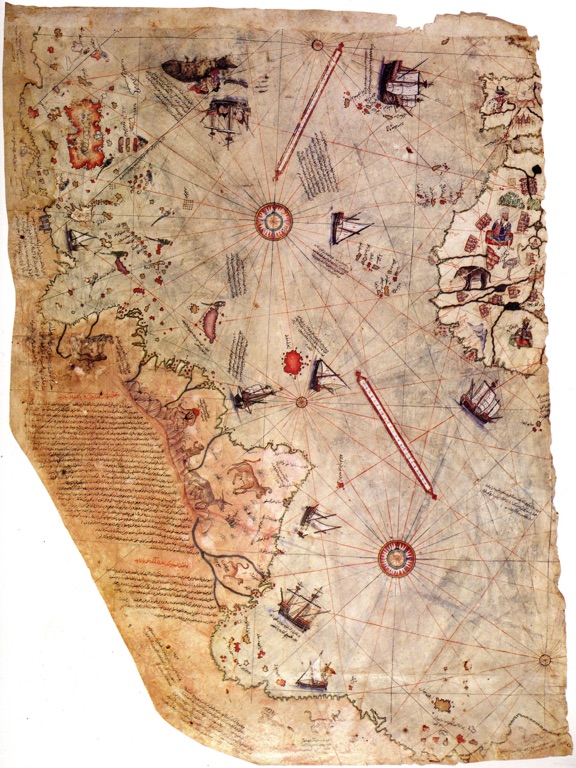
The Piri Reis map, named after its creator, Ottoman Admiral Piri Reis, is a fascinating artifact from the early 16th century. It’s known for its unique depiction of the world, particularly the Americas, during a time when cartographic knowledge was limited. The map, drawn on gazelle skin parchment, has sparked intrigue and debate among historians and scholars due to its remarkable accuracy and the mystery surrounding its creation. The Piri Reis map was created in 1513, a time when the New World was still being explored. It’s believed that Piri Reis used a variety of sources, including maps from Columbus’s voyages, to compile his own map.
Neural Pathways
Neural Pathways is a collective of seasoned experts and researchers with a profound passion for unraveling the enigmas of ancient history and artifacts. With a wealth of combined experience spanning decades, Neural Pathways has established itself as a leading voice in the realm of archaeological exploration and interpretation.
Our team of researchers and scholars provide unparalleled depth of knowledge in deciphering the intricate narratives embedded within ancient artifacts and deciphering the cultural nuances that shaped civilizations of the past. Through meticulous research, rigorous analysis, and a collaborative spirit, Neural Pathways has made and continues to make significant contributions to our understanding of the human past.
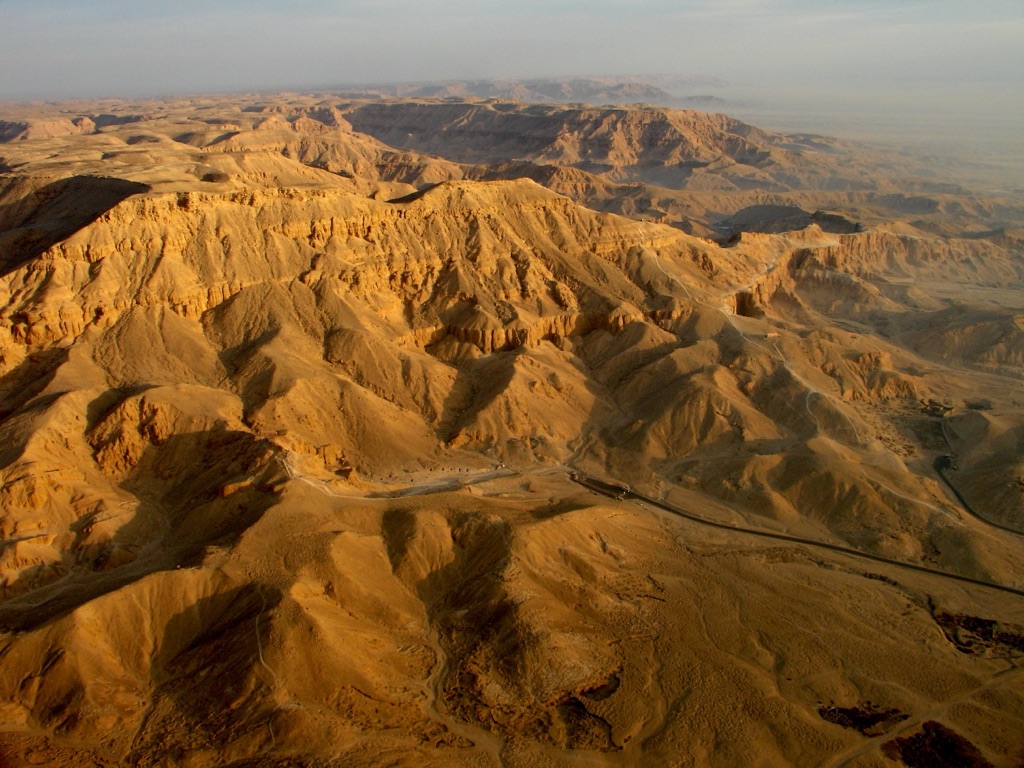
The Valley of the Queens
The Valley of the Queens is an important historical and archaeological site located near the ancient city of Thebes, now modern Luxor, in Egypt. It served as a burial ground for the wives and children of Pharaohs during the New Kingdom period (1550-1070 BC). The valley is home to more than 90 tombs, intricately decorated with religious and magical texts and scenes. The most famous tomb is that of Queen Nefertari, the wife of Ramesses II, renowned for its vibrant and well-preserved wall paintings.
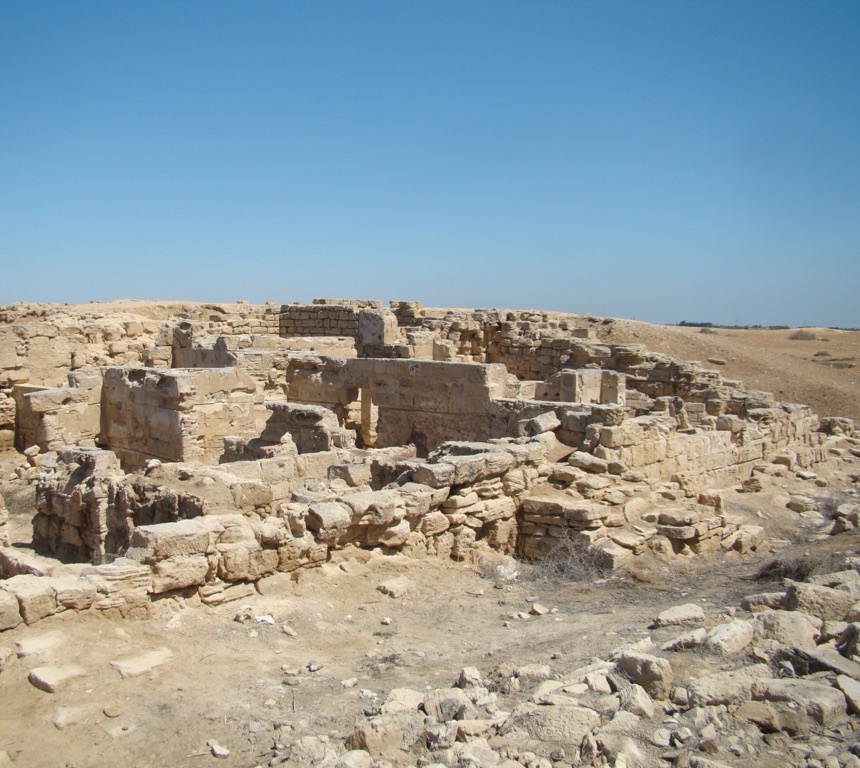
Abu Mena
Abu Mena is an ancient Christian holy city located in the desert of Egypt, approximately 45 kilometers southwest of Alexandria. The city was named after the martyr Saint Menas of Alexandria, who was a soldier in the Roman army and was executed for his Christian faith. The city became a place of pilgrimage after his death, with many people visiting to seek healing at the holy well. The city contains many archaeological structures, including a large basilica, an amphitheater, houses, workshops, and public baths.
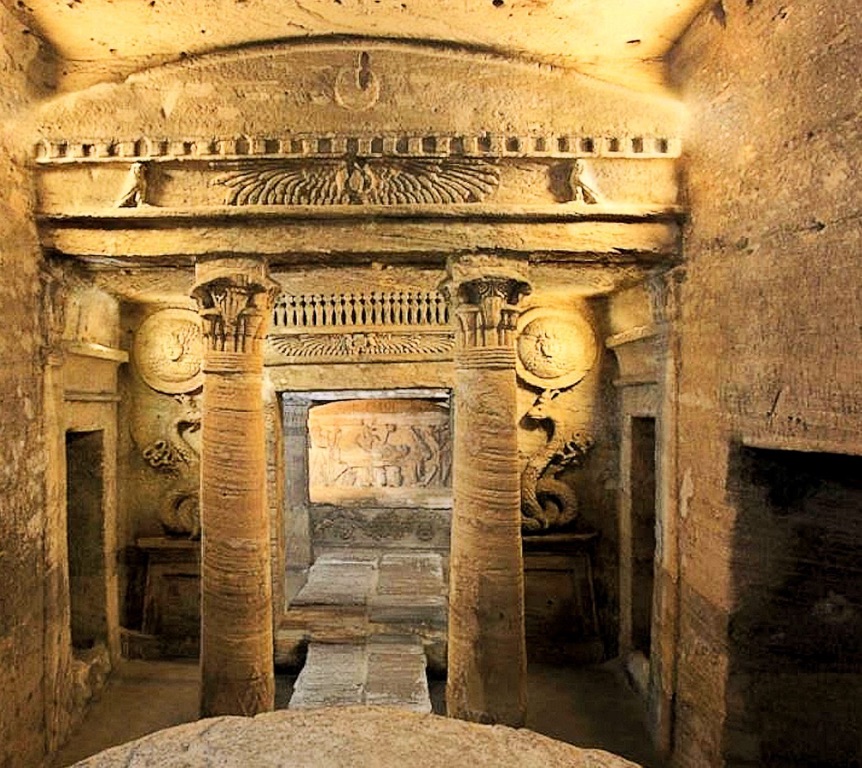
Catacombs of Kom el Shoqafa
The Catacombs of Kom el Shoqafa, located in Alexandria, Egypt, is a historical archaeological site considered one of the Seven Wonders of the Middle Ages. The necropolis consists of a series of Alexandrian tombs, statues, and archaeological objects of the Pharaonic funeral cult with Hellenistic and early Imperial Roman influences. The catacombs were likely used as a burial site from the 2nd century to the 4th century AD. The name ‘Kom el Shoqafa’ translates to ‘Mound of Shards’, referring to the heaps of pottery and terra cotta that were left by visitors who would eat food during their visit, then break their plates, as it was considered unlucky to take them back home.
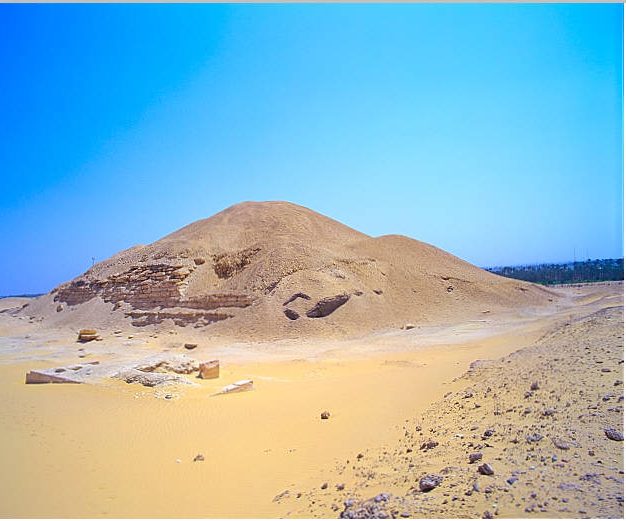
Pyramid of Amenemhet I
The Pyramid of Amenemhet I, also known as the “Pyramid of Lights,” is a historical monument located in the southern part of the Dahshur necropolis in Cairo, Egypt. Constructed during the 12th Dynasty by Pharaoh Amenemhet I, this pyramid stands as a testament to the architectural prowess and cultural richness of Ancient Egypt. Unlike the pyramids built during the 4th Dynasty, the Pyramid of Amenemhet I was constructed using a core of mudbricks and covered with a casing of limestone, a technique that was popular during the Middle Kingdom. This pyramid is particularly notable for its unique burial chamber design and the complex of surrounding structures.
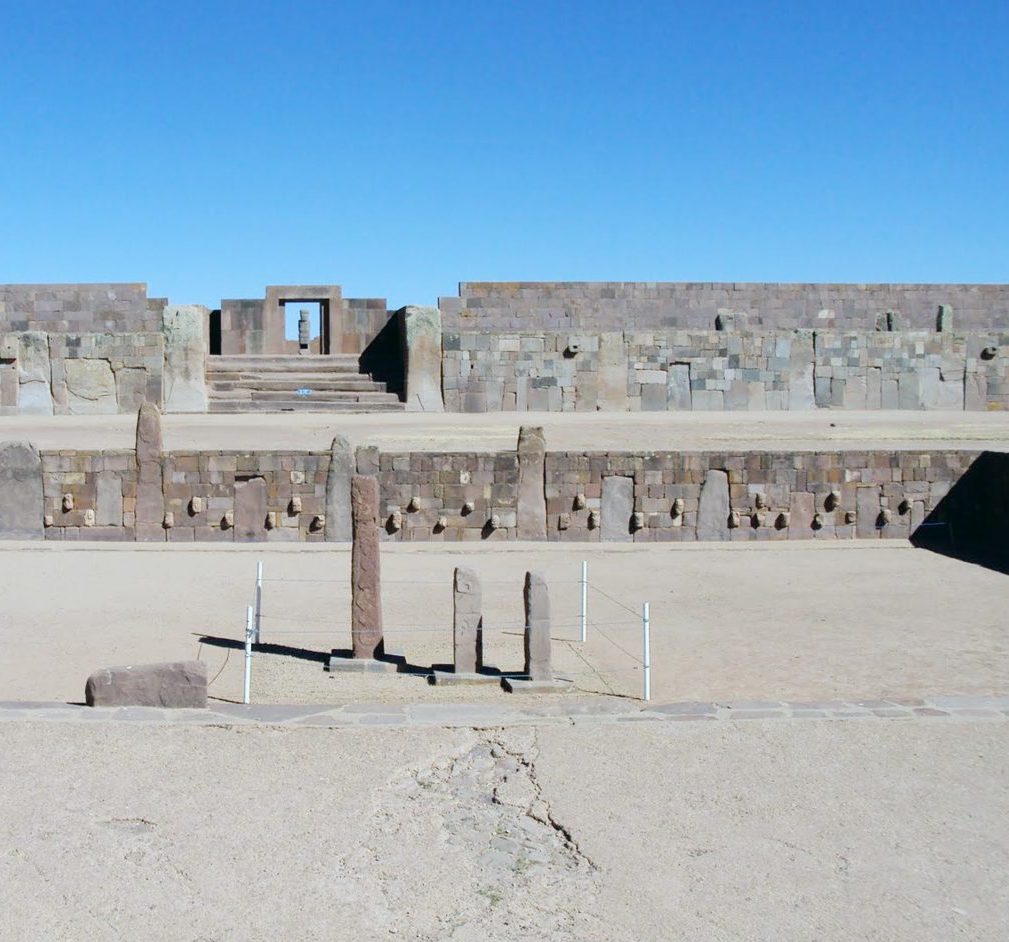
Semi-Subterranean Temple
The Semi-Subterranean Temple is a significant historical and archaeological site located in Tiwanaku, Bolivia. The temple, also known as the Templete Semi-subterráneo, is a part of the larger Tiwanaku archaeological complex, a UNESCO World Heritage Site. This unique temple is semi-underground, built into the earth with a rectangular, sunken courtyard. The temple is known for its carved stone faces and heads, which are embedded in the walls of the courtyard. These carvings represent a variety of human and mythological beings, reflecting the diverse cultures and beliefs of the ancient civilizations that inhabited this region.