
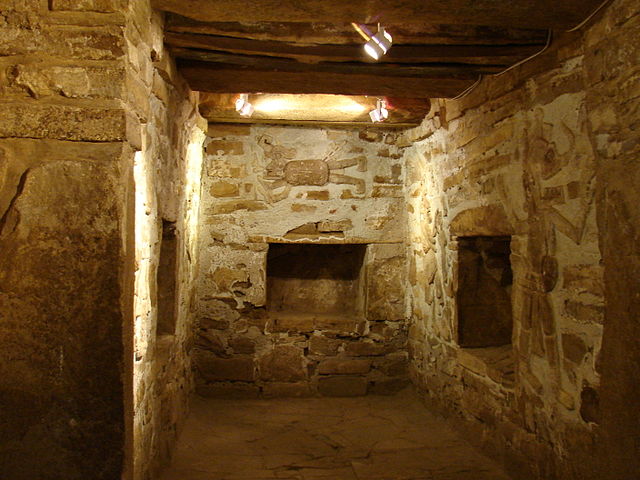
Discover the ancient town of Zaachila, a site of significant historical importance in Oaxaca, Mexico. Once the capital of a Zapotec kingdom, its roots plunge deep into the pre-Columbian era. Visitors to Zaachila are welcomed by the remnants of a powerful culture with its array of archaeological wonders, including royal tombs and intricate carvings that hint at the complexity of the former Zapotec civilization. The area tells a story of political prowess, uniquely influenced by both Zapotec and Mixtec peoples, as it transitioned under their shared dominance over time
Neural Pathways
Neural Pathways is a collective of seasoned experts and researchers with a profound passion for unraveling the enigmas of ancient history and artifacts. With a wealth of combined experience spanning decades, Neural Pathways has established itself as a leading voice in the realm of archaeological exploration and interpretation.
Our team of researchers and scholars provide unparalleled depth of knowledge in deciphering the intricate narratives embedded within ancient artifacts and deciphering the cultural nuances that shaped civilizations of the past. Through meticulous research, rigorous analysis, and a collaborative spirit, Neural Pathways has made and continues to make significant contributions to our understanding of the human past.
Lambityeco
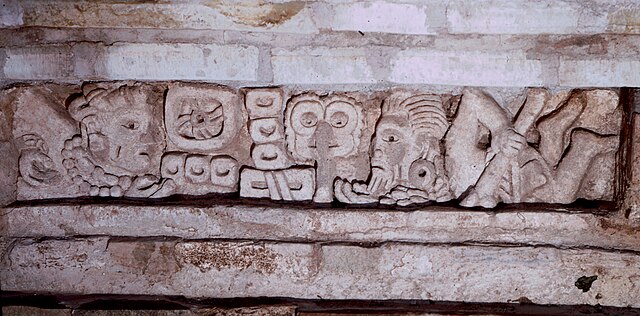
Lambityeco stands as an ancient marvel in Mexico’s rich historical landscape. Nestled in the Tlacolula Valley of Oaxaca, this lesser-known Zapotec city thrived between 600 and 850 A.D. It’s renowned for its impressive remnants that speak volumes of the Zapotec civilization. Unlike the larger sites of Mitla and Monte Albán, Lambityeco offers an intimate glimpse into the elaborate class system and intricate life of the Zapotec elite. Visitors get to explore the ornate tombs, unique frescoes, and the remnants of their advanced drainage systems. Additionally, the site’s salt production gave it economic significance, making it an essential part of the region’s trade network.
Mitla
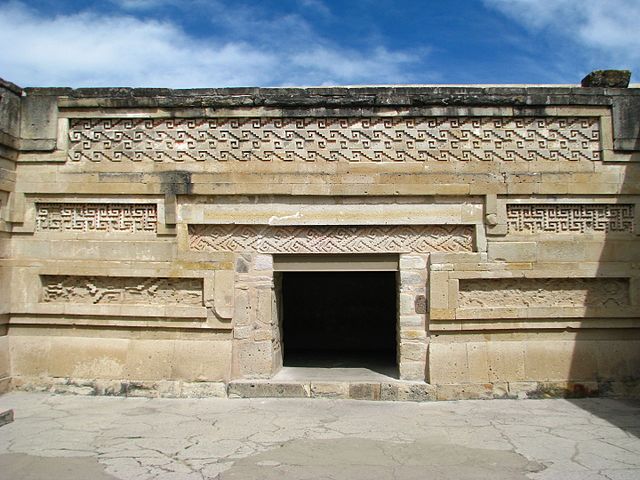
Located in the picturesque Oaxaca Valley, Mitla is a stunning testament to the ingenuity of the Zapotec civilization. This historic site boasts some of the most intricate and masterfully crafted mosaics in the Americas. Unlike any other pre-Columbian ruins, Mitla’s walls are adorned with geometric patterns that continue to captivate visitors. These designs were carved without the use of mortar. They symbolize the site’s spiritual significance and the Zapotecs’ remarkable architectural prowess.
Monte Alban
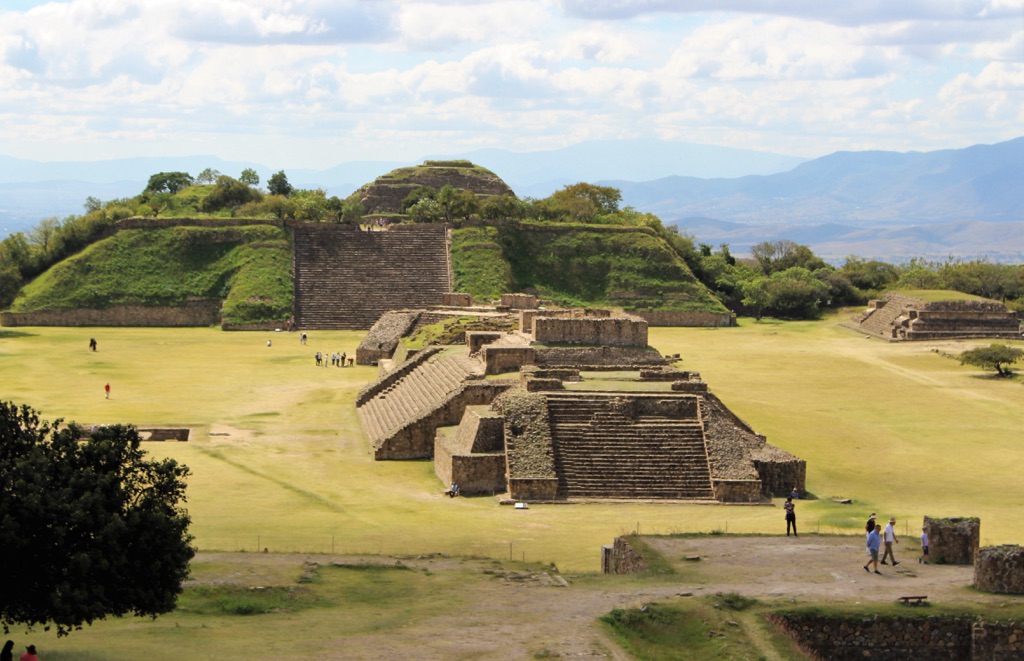
Monte Alban stands as a testament to the ingenuity of the Zapotec civilization. Perched atop a mountain in Oaxaca, Mexico, it offers breathtaking views and an insight into pre-Columbian history. The site’s impressive architecture includes grand plazas, intricate carvings, and monumental structures. Visitors can explore the remnants of temples, ball courts, and altars that speak of a time when the city was a bustling center of power. Monte Alban encapsulates the Zapotec’s advanced urban planning, with its layout harmoniously integrating with the natural landscape.
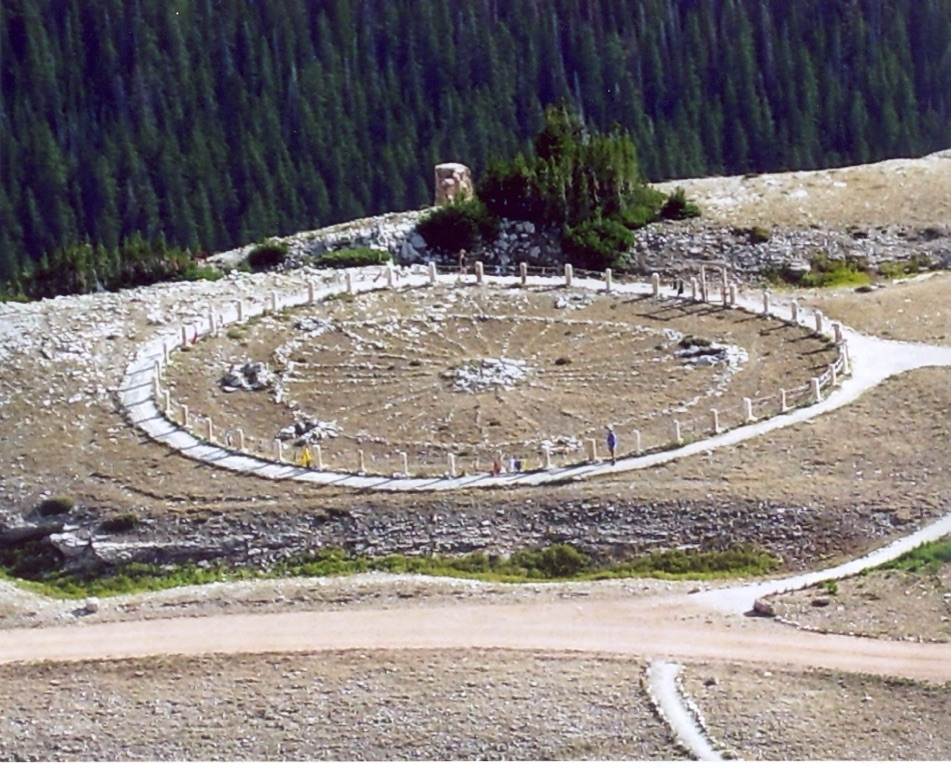
Bighorn Medicine Wheel in Wyoming
The Bighorn Medicine Wheel embodies a rich tapestry of Native American heritage, where ancient belief systems intersect with the vast expanse of the sky and earth. Positioned at the high elevation of the Bighorn Mountains, the wheel’s structure—a central cairn linked by radiating spokes to an outer rim—serves as a sacred symbol in Native American cosmology. The site not only offered a place for ritual and social gatherings for various tribes but also stands as a testament to their intricate knowledge of the environment, used for celestial observations and marking the change of seasons.
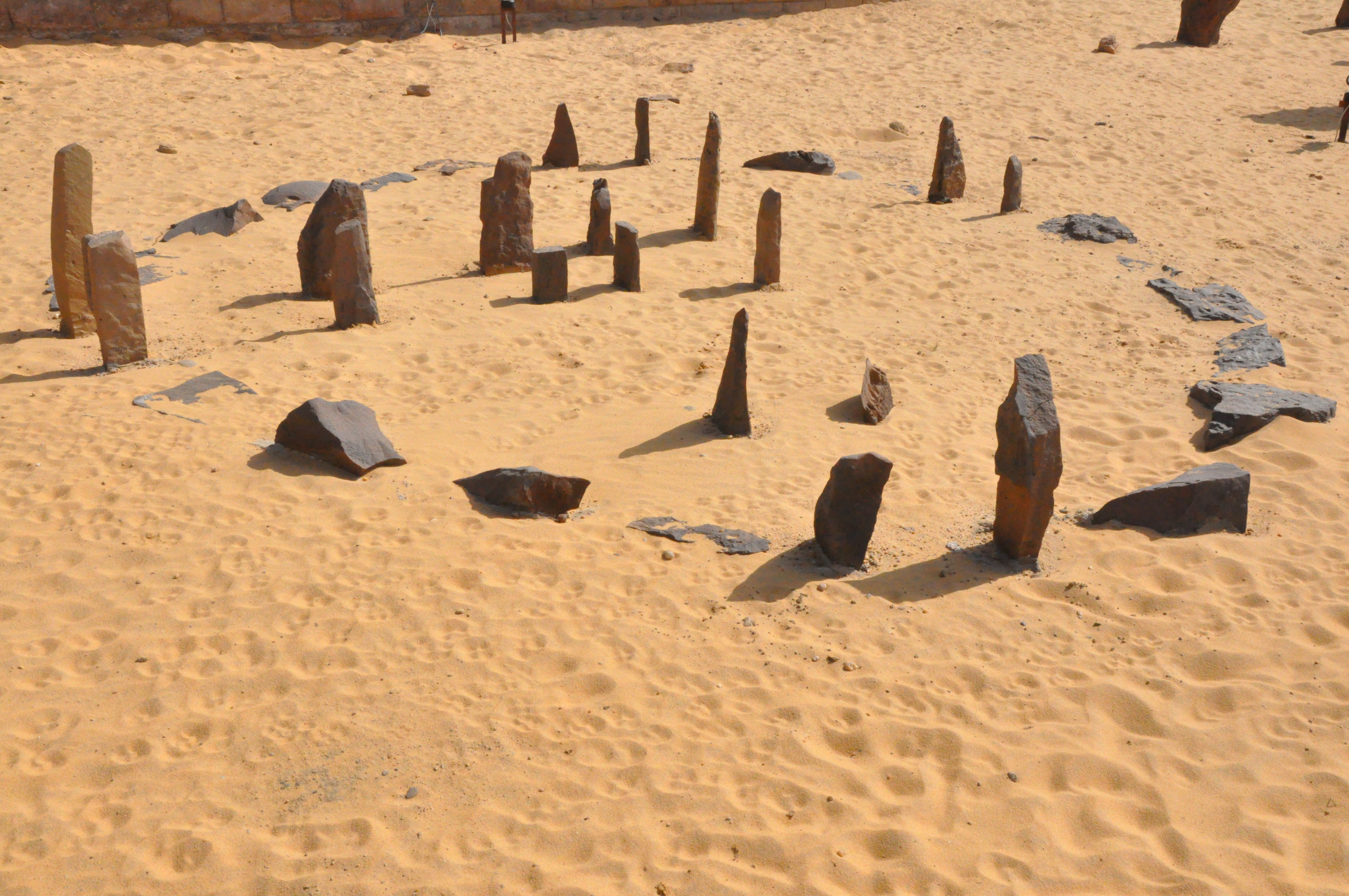
The Nabta Playa Stone Circle
Located in the vast Sahara Desert, Nabta Playa is a testament to the ingenuity of ancient cultures. This captivating archaeological site was a hub for prehistoric communities around 7,500 BCE. Scientists regard it as one of the earliest known astronomical devices. The stone circles and other megalithic structures align with astronomical events. These formations reveal the early settlers’ understanding of the cosmos. Their sophisticated knowledge laid the groundwork for later civilizations.