
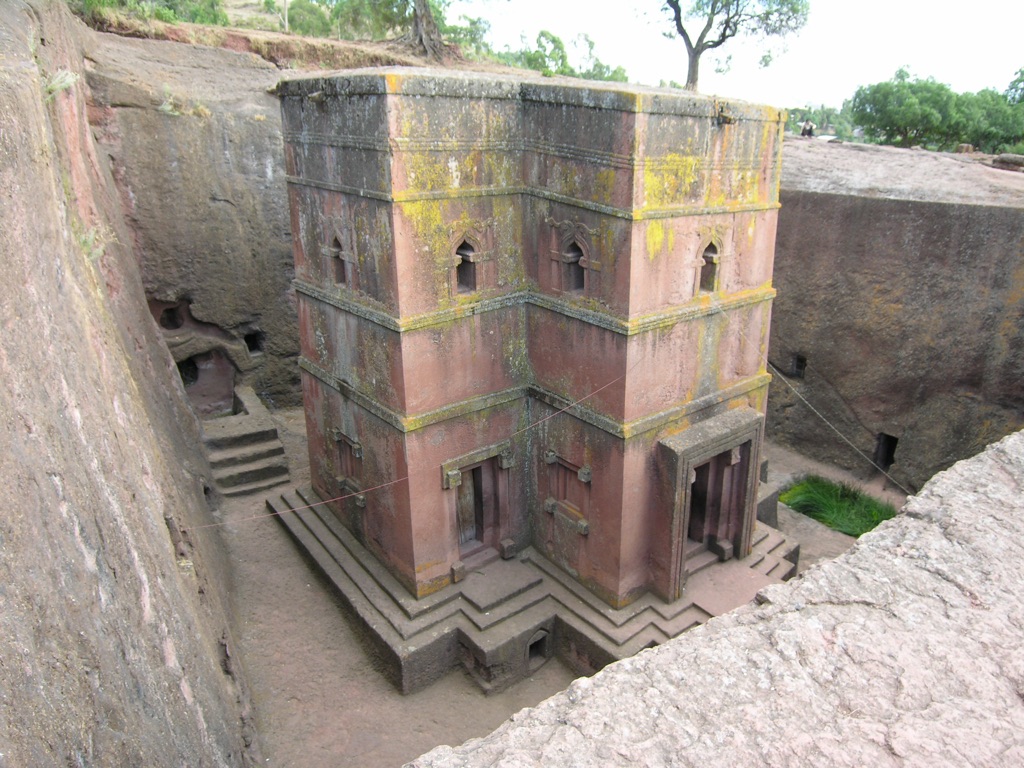
In the heart of Ethiopia stands an unparalleled marvel of human creativity – the Lalibela Churches. This series of eleven monolithic churches, carved out of rock in the 12th century, showcases a blend of engineering prowess and spiritual significance. Each church, distinct in its design, was chiseled from a single block of granite, with intricate windows, doors, and roofs. The construction technique remains a mystery to this day, leaving many in awe of the architectural genius displayed here. Known collectively as the ‘New Jerusalem’, the site holds immense religious meaning and is an active place of worship, drawing pilgrims from around the world.
Neural Pathways
Neural Pathways is a collective of seasoned experts and researchers with a profound passion for unraveling the enigmas of ancient history and artifacts. With a wealth of combined experience spanning decades, Neural Pathways has established itself as a leading voice in the realm of archaeological exploration and interpretation.
Our team of researchers and scholars provide unparalleled depth of knowledge in deciphering the intricate narratives embedded within ancient artifacts and deciphering the cultural nuances that shaped civilizations of the past. Through meticulous research, rigorous analysis, and a collaborative spirit, Neural Pathways has made and continues to make significant contributions to our understanding of the human past.
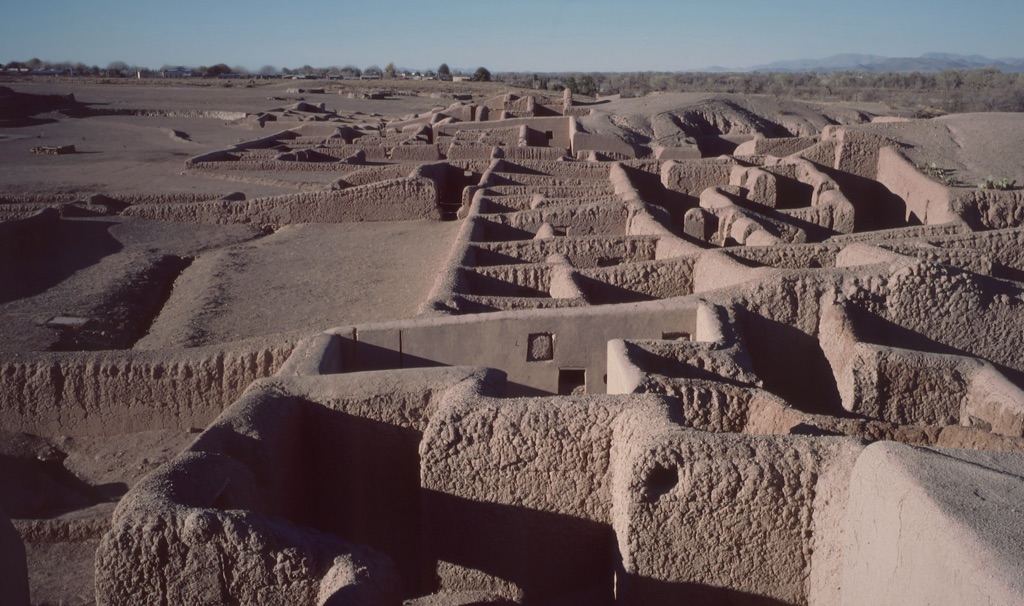
Casas Grandes (Paquimé)
Casas Grandes, known as Paquimé, is an ancient archaeological site in Chihuahua, Mexico. It was once a major center of the Mogollon culture, thriving from the 13th to the 16th centuries. This site showcases unique adobe constructions, some several stories high, that reflect a blend of Indigenous and Mesoamerican architectural styles. Intriguing artifacts found at Casas Grandes reveal a people skilled in crafts and trade. They present a civilization that had complex social and economic systems. The reasons behind the site’s eventual abandonment remain a topic of debate among historians.
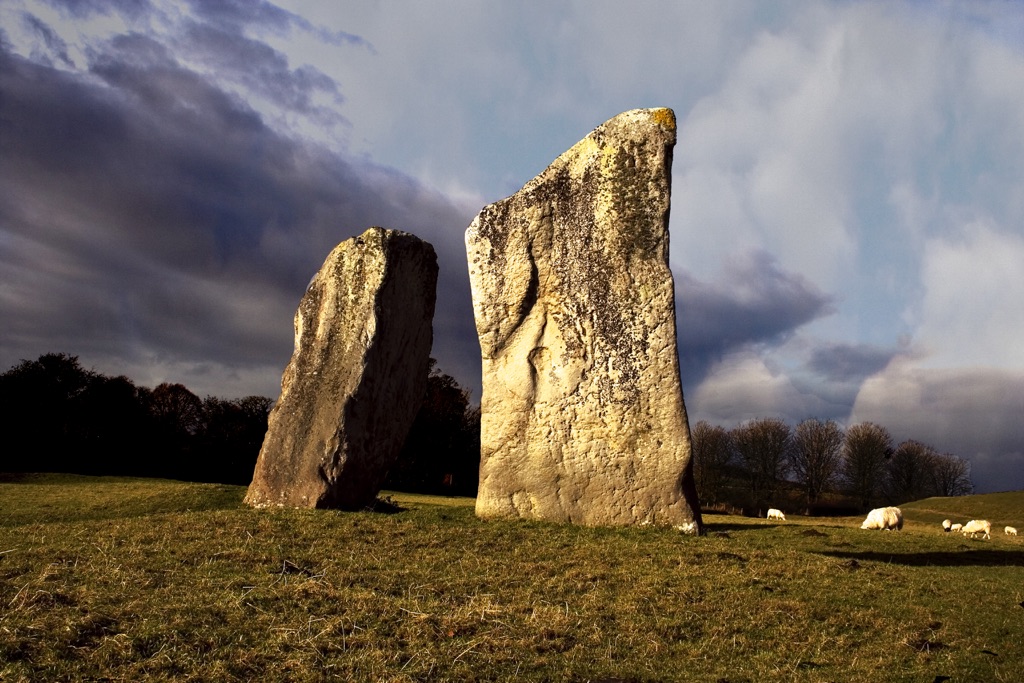
Avebury Henge
Avebury Henge is an astonishing prehistoric site, nestled in the English countryside. It dates back to around 3000 BCE, making it older than Stonehenge. This monumental stone circle is one of the largest in Europe and is part of a wider complex of Neolithic and Bronze Age monuments. Visitors today can wander among the stones, feeling the echo of ancient ceremonies. The site includes the massive circular bank and ditch, with the large outer stone circle and two separate, smaller stone circles situated inside. This henge is a testament to the remarkable engineering skills and spiritual depth of its builders, whose work has stood the test of time.
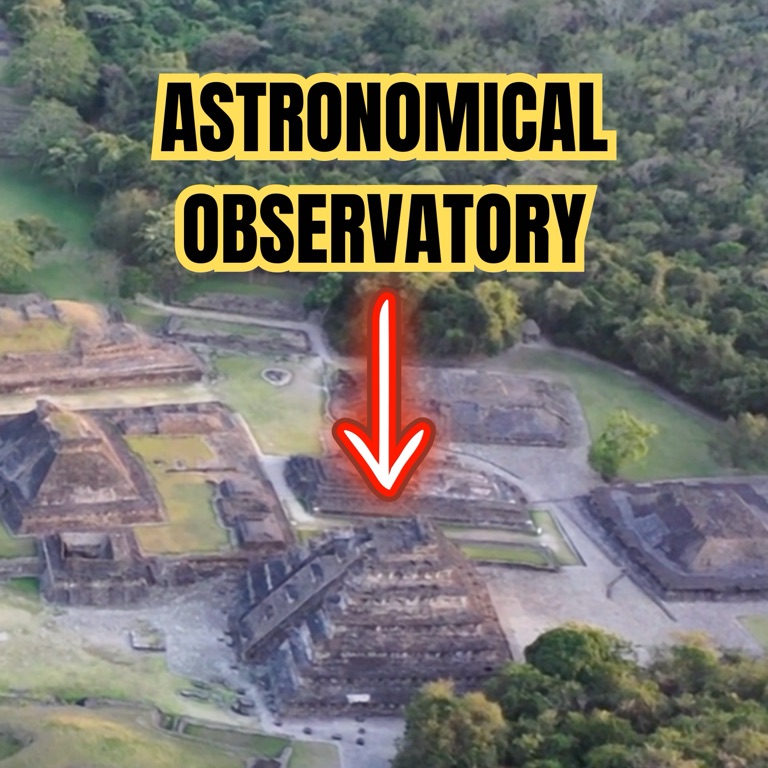
El Tajín – the Totonac Mexican Pyramid
El Tajín stands as a testament to the ingenuity of the Totonac people. Nestled in the lush landscapes of Veracruz, Mexico, this ancient city echoes with the stories of its past. El Tajín’s architecture showcases intricate designs and an advanced understanding of engineering. Visitors marvel at the iconic Pyramid of the Niches, famous for its precise structure. This site serves not just as a historical treasure but also a cultural nexus. El Tajín represents the Totonac civilization at its zenith, offering a unique window into pre-Hispanic life.
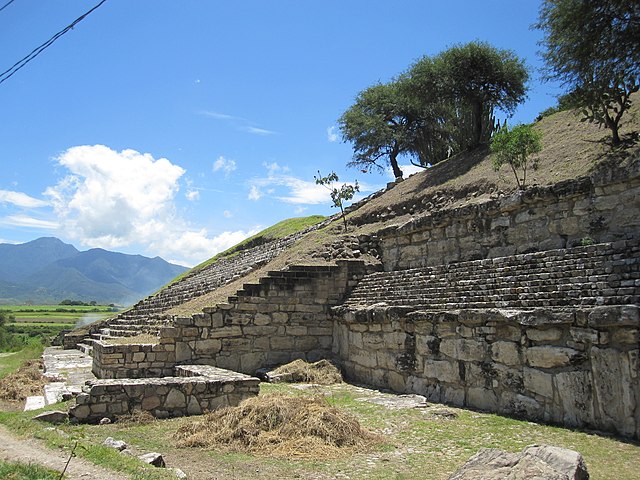
San Jose Mogote Pyramid
San Jose Mogote stands as a testament to the innovation of the pre-Columbian Zapotec civilization. This ancient pyramid, nestled in the Etla Valley of Oaxaca, Mexico, was once the center of a thriving community. It showcases architectural ingenuity through its remarkable structure which dates back to the early Formative Period. San Jose Mogote played a crucial role in understanding the sociopolitical dynamics of early Mesoamerican societies. Its artifacts provide insight into the Zapotec’s daily lives, religious practices, and the trade relationships they fostered with nearby regions.
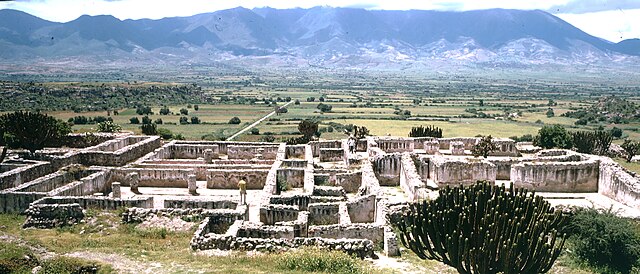
Yagul
Yagul, a mesmerizing archeological site, offers a unique window into the Zapotec civilization’s past. Located in the sun-drenched valleys of Oaxaca, Mexico, Yagul, which translates to “old tree” in the Zapotec language, was once a powerful city-state. The site thrived after the fall of Monte Albán, around 500-700 AD, and bears witness to the ingenuity and artistry of its builders. Visitors can explore the fortress-like structures, the impressive ball court, and the elaborate tombs carved into rocky cliffs. Known for intricate stone mosaics and elaborate frescoes, Yagul reveals the Zapotec’s advanced urban planning and their deep connection with spirituality and the afterlife.