
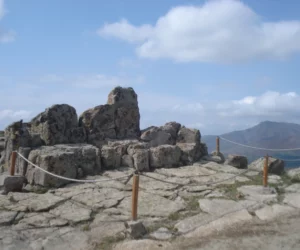
Kokino Observatory stands as a testament to ancient astronomical knowledge and human ingenuity. Located in North Macedonia, it dates back to the Bronze Age, around 1800 BC. Researchers highlight its importance as much more than an archaeological site. It features a sophisticated stone marker system that tracks celestial movements. This ancient observatory shows how early civilizations marked the solstices and equinoxes. Its purpose in ancient times was likely to serve as a calendar to guide agricultural practices. Today, Kokino provides a rich field for both amateur stargazers and professional astronomers.
Neural Pathways
Neural Pathways is a collective of seasoned experts and researchers with a profound passion for unraveling the enigmas of ancient history and artifacts. With a wealth of combined experience spanning decades, Neural Pathways has established itself as a leading voice in the realm of archaeological exploration and interpretation.
Our team of researchers and scholars provide unparalleled depth of knowledge in deciphering the intricate narratives embedded within ancient artifacts and deciphering the cultural nuances that shaped civilizations of the past. Through meticulous research, rigorous analysis, and a collaborative spirit, Neural Pathways has made and continues to make significant contributions to our understanding of the human past.
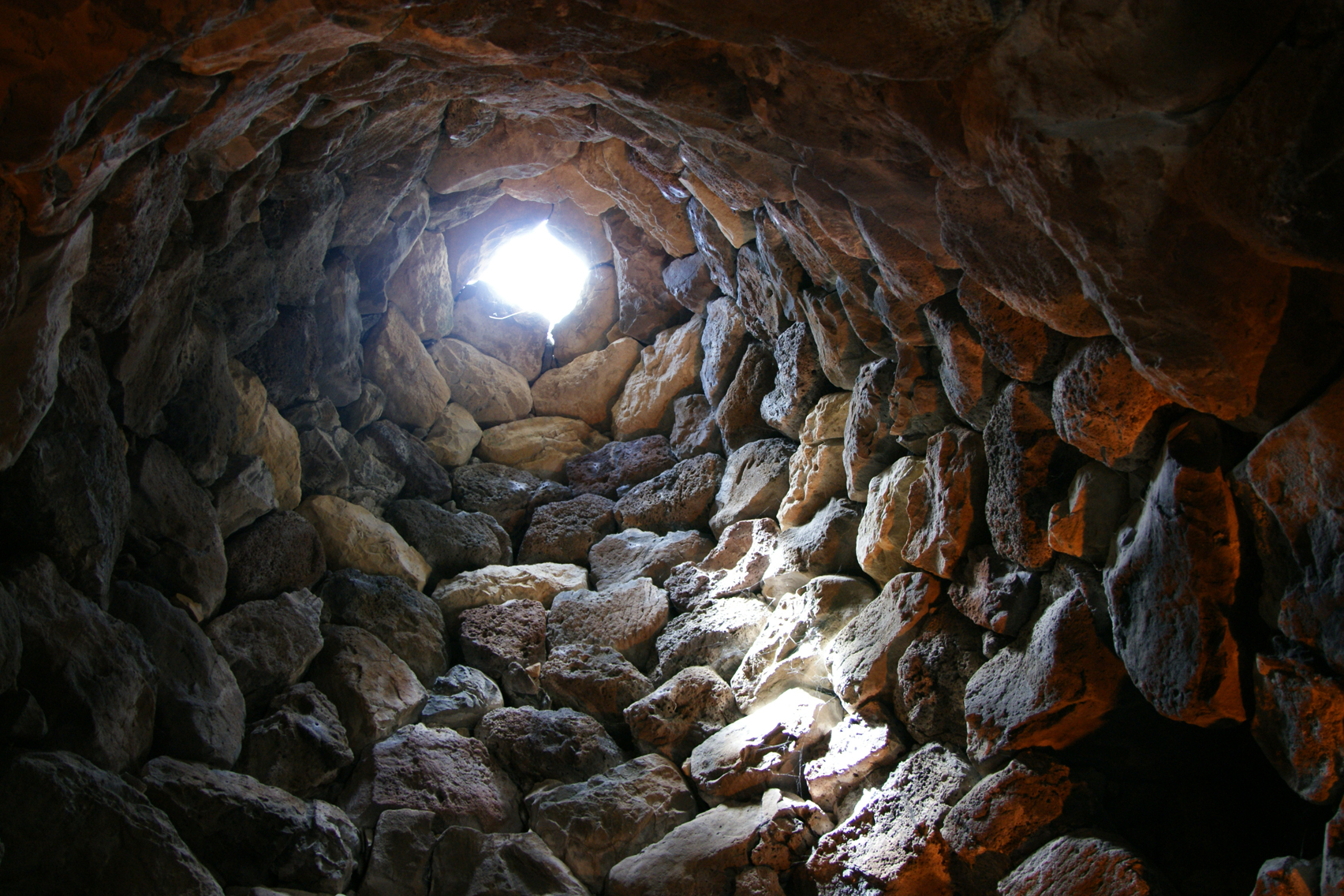
Su Nuraxi di Barumini in Sardinia
Su Nuraxi di Barumini stands as a remarkable testament to the Nuragic civilization. This prehistoric site, nestled in the scenic landscape of Sardinia, Italy, captures the essence of an ancient culture. Its towering stone fortresses, known as nuraghes, offer a window into the past. Visitors can explore the complex network of dwellings, towers, and intricate defensive structures. These remnants highlight the advanced engineering skills of a vanished civilization. Stories of the Nuragic people and their way of life come alive as one wanders through the ruins. The site provides not just historical insights but also a breathtaking experience for history buffs and casual visitors alike.
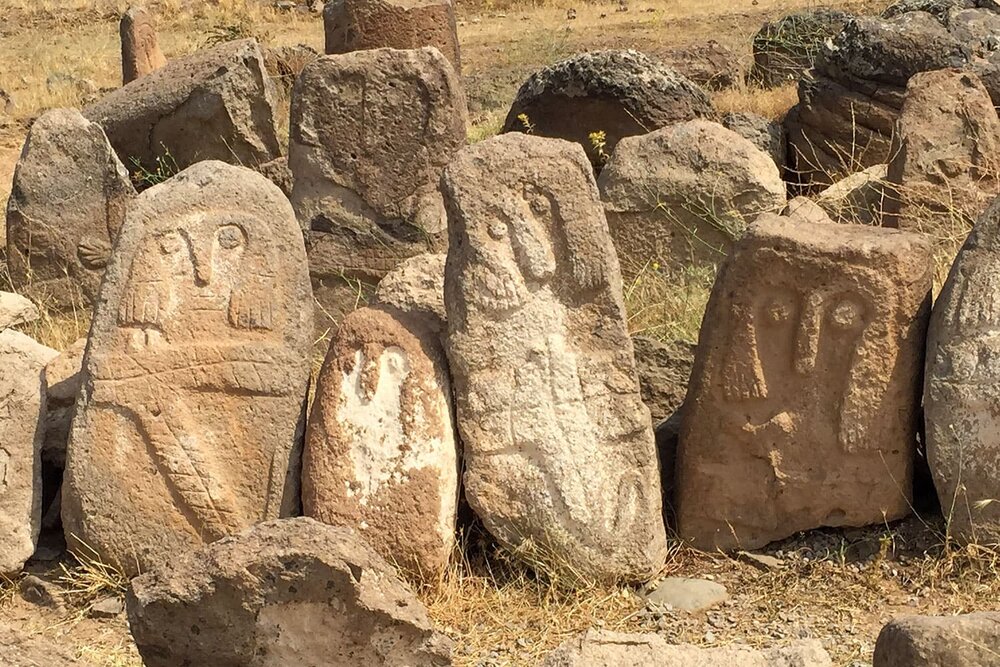
Shahar Yeri
Shahar Yeri is an ancient archaeological site steeped in mystery. Located in Ardabil Province in Iran, it is home to mesmerizing stone figures and carvings. Dating back to the Iron Age, these monuments are a window to a time long past. They feature human-like forms with circular heads, believed to symbolize the life hereafter. The enigmatic figures seem to silently guard the site, creating an atmosphere of ancient mystique. These relics continue to enthral historians and visitors alike with their solemn grace and remarkable craftsmanship.
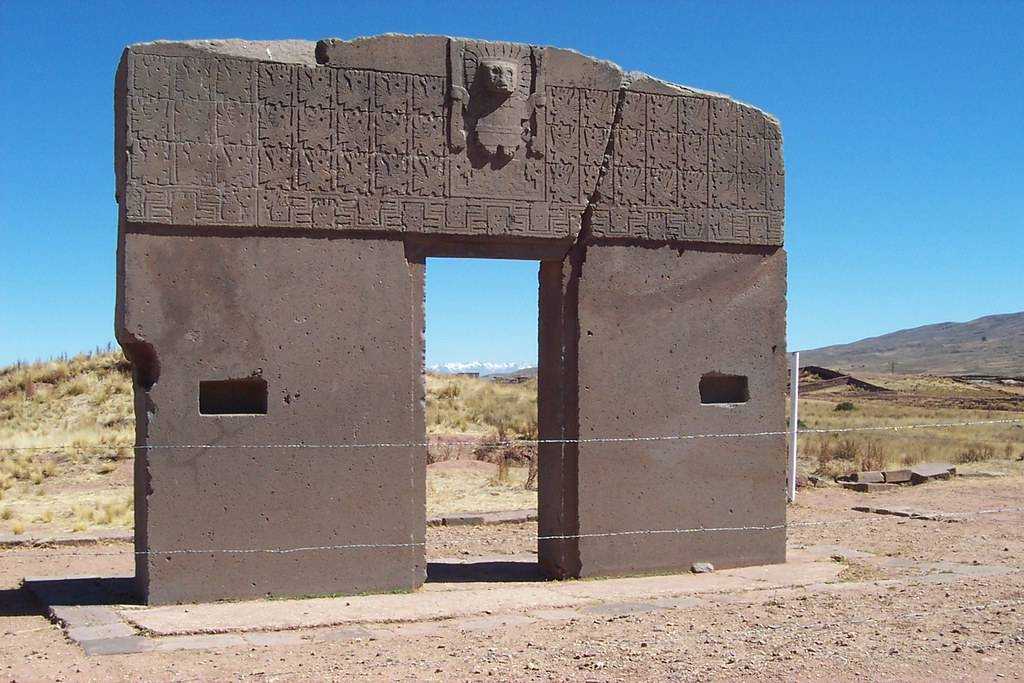
Tiwanaku Ruins in Bolivia
Nestled in the highlands of Bolivia lies the fascinating and mysterious site of Tiwanaku. This ancient city is a testament to a civilization that thrived long before the rise of the Inca Empire. Visitors to Tiwanaku are greeted with impressive stone structures and intricate carvings that hint at the site’s cultural and religious significance. Archaeologists believe Tiwanaku was a spiritual and political center, drawing in people from across the region for ceremonial events. Despite centuries of weathering, the remnants of temples like the Akapana Pyramid and the Kalasasaya still offer a glimpse into the past. These structures, along with the famous Gate of the Sun, are key to understanding the Tiwanaku people’s advanced understanding of astronomy, which played a vital role in their agriculture and theology.
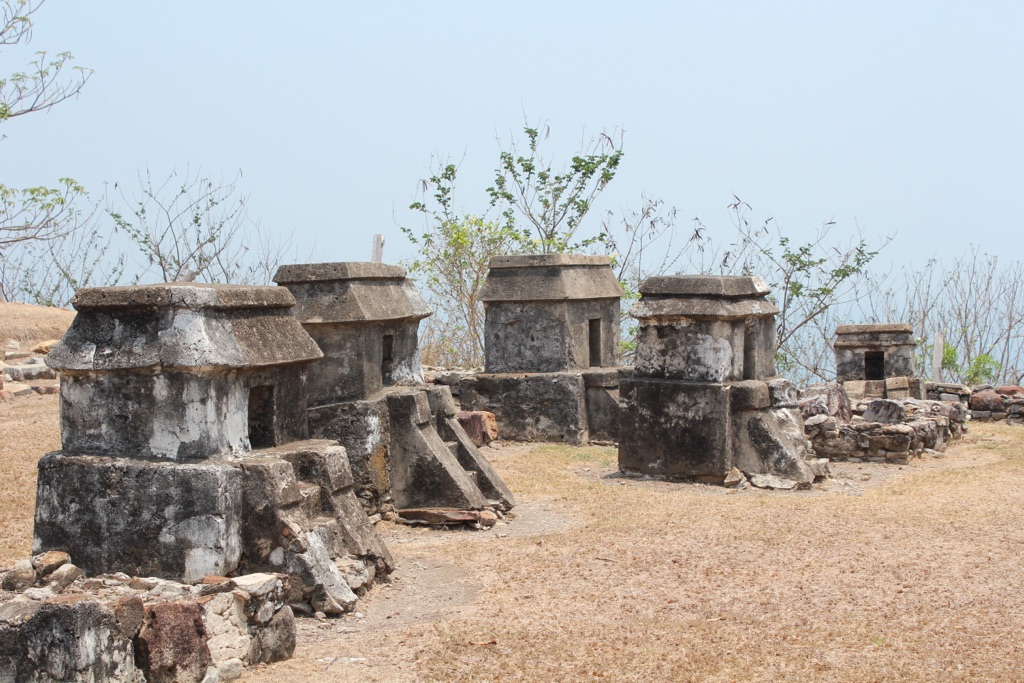
Quiahuiztlan
Quiahuiztlan is a notable historical site that stands as a witness to rich cultures from the past. It was once an ancient city-state, home to the Totonac people. Perched on the Gulf Coast of Mexico, it offers a glimpse into pre-Columbian history. The site includes impressive ruins set against green landscapes and clear blue skies. Travelers here feel a profound connection to its history. The Totonacs had a strong belief system and developed unique building techniques, evident in the site’s architecture. Quiahuiztlan tells the story of a civilization deeply connected to its land and deities. Its totemic temples and ceremonial plazas speak volumes about the people who thrived there.
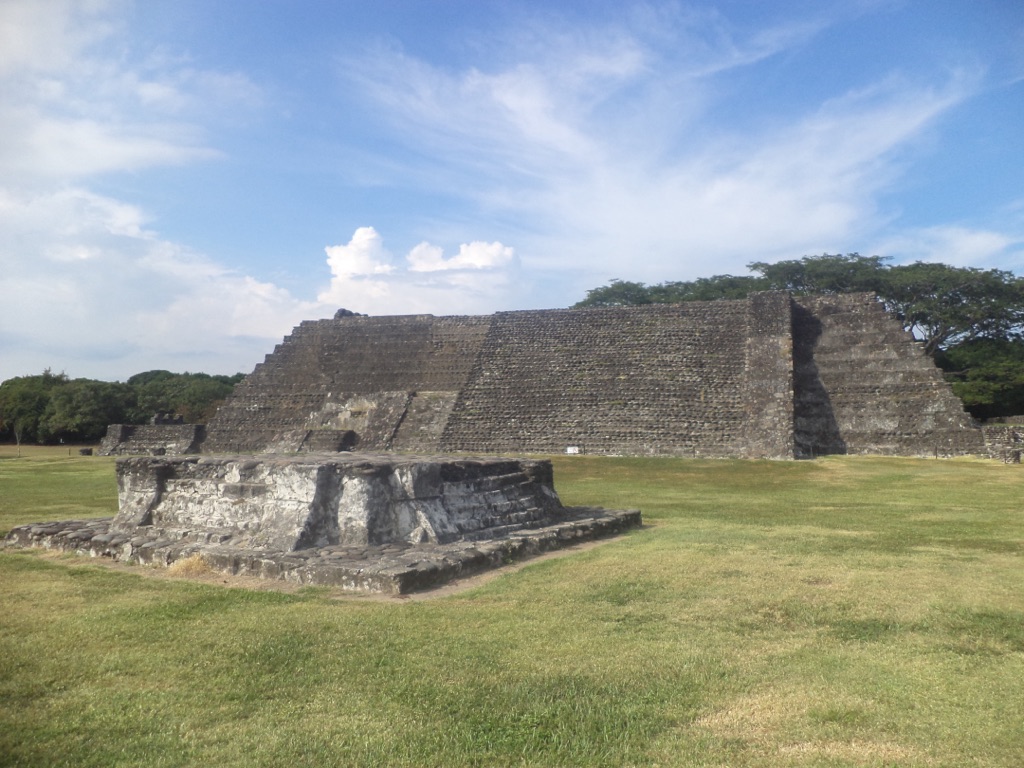
Cempoala (Zempoala) Veracruz Mexico
Cempoala, also spelled Zempoala, stands as a remarkable testament to Mesoamerican history. This ancient city, located in present-day Veracruz, Mexico, was once a major center of the Totonac civilization. Visitors are captivated by the impressive architecture and artistry displayed in its temples and buildings. These structures reflect a culture that thrived before Spanish conquest. Cempoala’s relevance is highlighted by the fact that it served as the first alliance for Hernán Cortés in his quest against the Aztec empire. The remains of this historical city now offer invaluable insights into pre-Columbian life and the complex relationships among indigenous civilizations.