
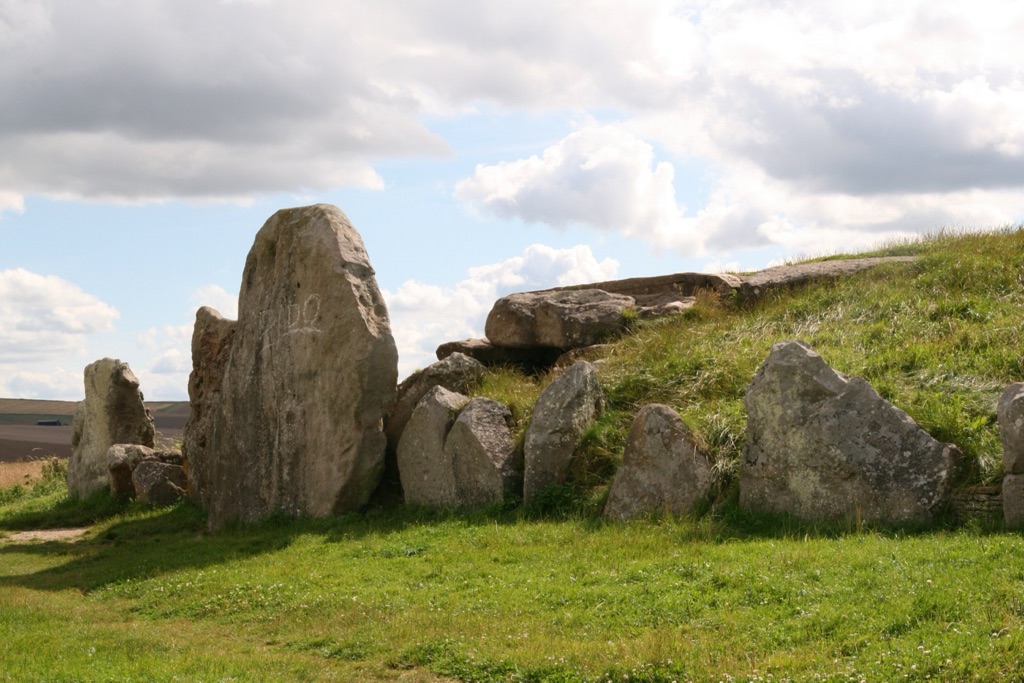
West Kennet Long Barrow stands as one of the largest Neolithic burial sites in Britain. It dates back to around 3650 BC, making it older than Stonehenge. This ancient monument is part of the Avebury World Heritage Site. Visitors are drawn to its historical significance and the mystery surrounding its original use. Archaeologists believe it was a tomb for local leaders, but it also could have been a place for rituals. Its structure, with a fifty-meter-long mound and a series of stone chambers, invites fascination. This site connects us to our Neolithic ancestors and their sophisticated construction skills.
Neural Pathways
Neural Pathways is a collective of seasoned experts and researchers with a profound passion for unraveling the enigmas of ancient history and artifacts. With a wealth of combined experience spanning decades, Neural Pathways has established itself as a leading voice in the realm of archaeological exploration and interpretation.
Our team of researchers and scholars provide unparalleled depth of knowledge in deciphering the intricate narratives embedded within ancient artifacts and deciphering the cultural nuances that shaped civilizations of the past. Through meticulous research, rigorous analysis, and a collaborative spirit, Neural Pathways has made and continues to make significant contributions to our understanding of the human past.
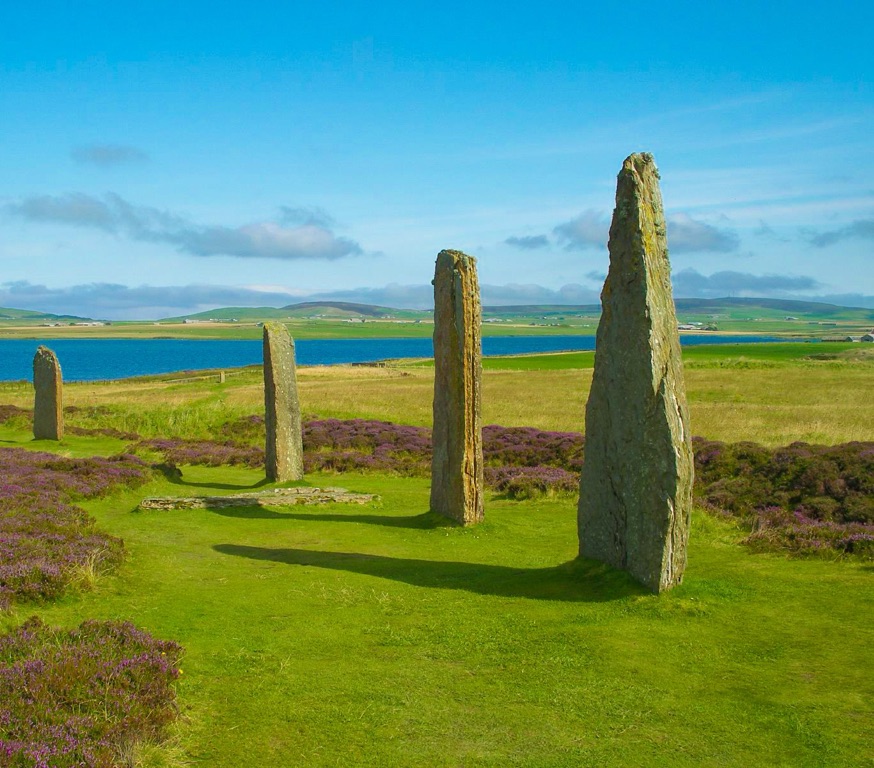
The Ring of Brodgar
Nestled in the heart of Scotland’s Orkney islands lies the Ring of Brodgar, a majestic stone circle encompassing mystery and beauty. This Neolithic wonder, part of the Heart of Neolithic Orkney World Heritage Site, draws tens of thousands of visitors yearly. The site commands awe with its grandeur and puzzles historians and archaeologists with its purpose. Spanning approximately 104 meters in diameter, the Ring of Brodgar comprises upright stones, some reaching up to 4.5 meters tall. Modern interpretations suggest the ring served as a ceremonial site, a place for rituals, gatherings, or an astronomical observatory marking seasonal changes.
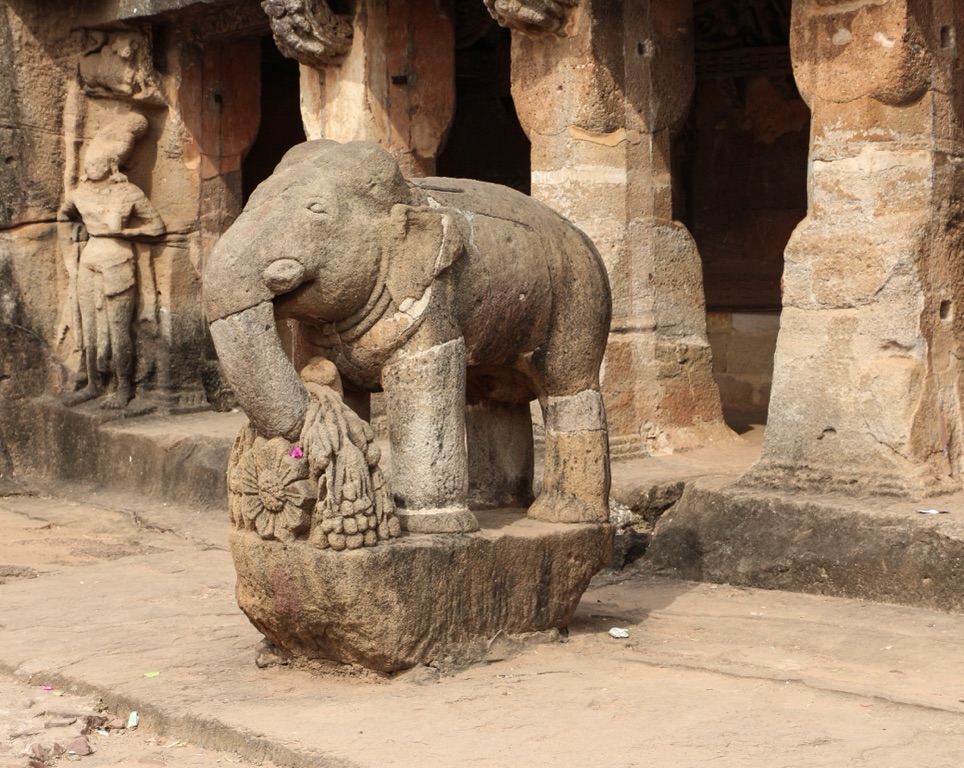
Udayagiri caves
The Udayagiri caves herald an era of artistic and religious expressions in India, providing a unique insight into the cultural landscape during the 4th and 5th centuries AD. Nestled in the state of Madhya Pradesh, these rock-cut sanctuaries embody the prowess of the Gupta Dynasty. They are famous for intricate carvings and monumental sculptures of Hindu gods and goddesses. Most notably, the site is home to the iconic ‘Varaha Avatar’ of Lord Vishnu, illustrating the blend of mythological narratives with the natural environment.
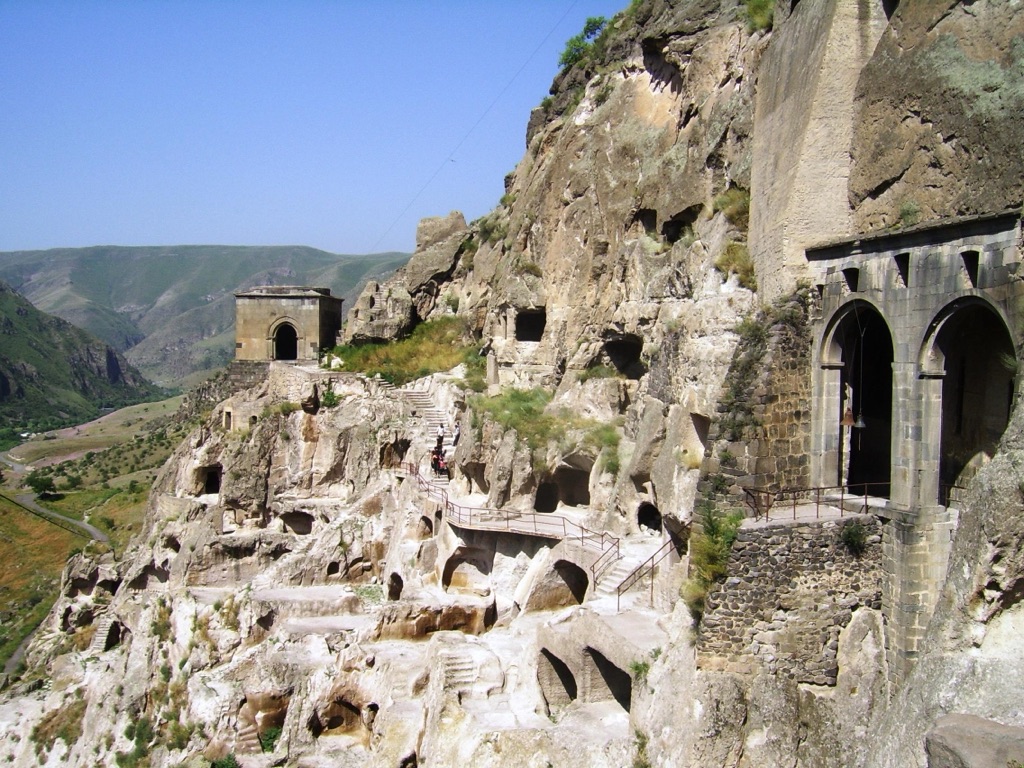
Vardzia Georgia
Vardzia is not just a cave city in Georgia; it’s a sprawling multi-level complex carved into the Erusheti Mountain. Erected in the 12th century, this remarkable feat of engineering was intended as a fortress against the Mongol hordes. The ambitious project, sanctioned by Queen Tamar, aimed to provide a steadfast sanctuary during tumultuous times. Several thousand monks could dwell here, their numbers reflecting the city’s once-vast scale. Vardzia beckons to history buffs and curious travelers alike, offering a rare glimpse into Georgia’s proud medieval past.
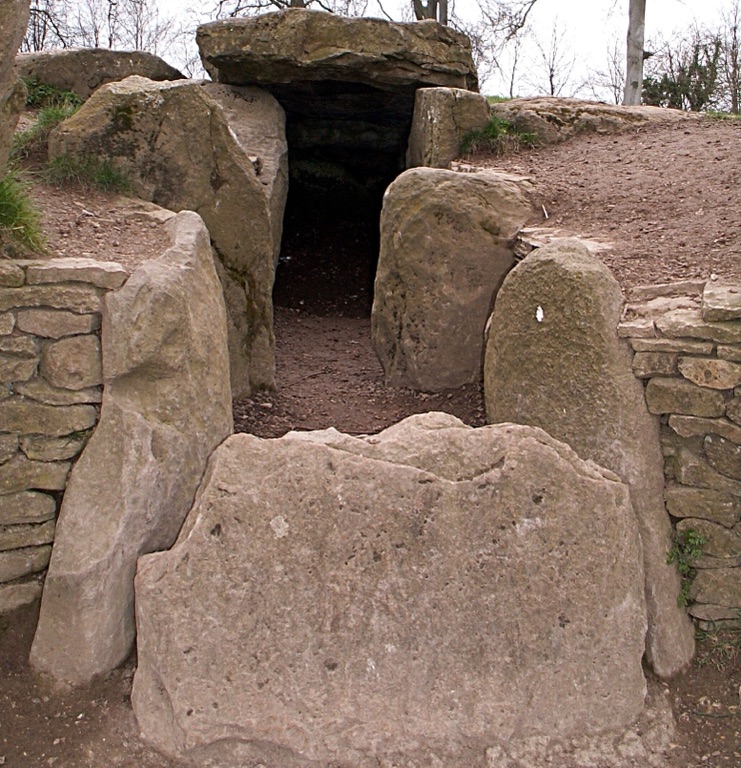
Wayland’s Smithy
Nestled within the lush landscape of the Berkshire Downs, Wayland’s Smithy tells a tale as old as time. This Neolithic long barrow resonates with the mystique of ancient civilizations. Legend intertwines with history, suggesting a forge run by the mythical blacksmith Wayland. It remains a captivating enigma, drawing visitors to explore its enshrouded past. The atmospheric site, featuring an awe-inspiring stone chamber, is a testament to the sophisticated construction skills of our ancestors. Admirers of archaeology and folklore alike are captivated by the legacy etched into this historic monument.
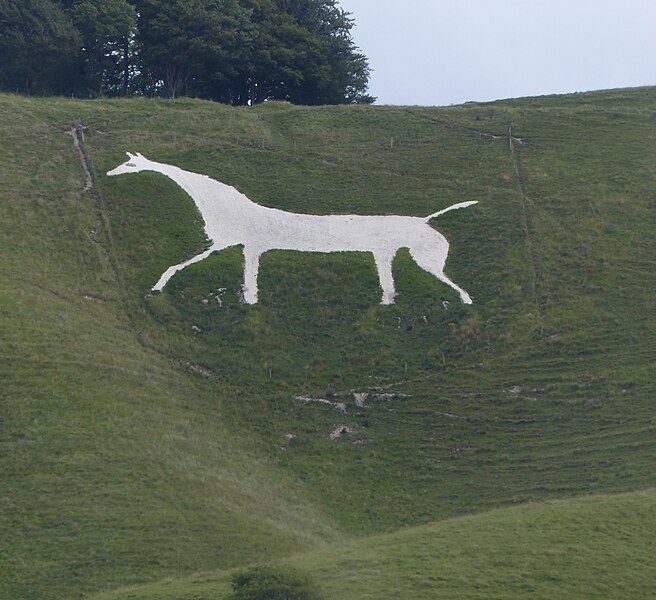
Pewsey White Horse
The Pewsey White Horse is a charming historical landmark, etched into the rolling hills of Wiltshire, England. This captivating hill figure, cut in the shape of a horse, fascinates with its rich heritage and mystical allure. Nestled in the North Wessex Downs, it commands a breath-taking view over Pewsey Vale, framing the landscape with ancient artistry. The figure’s precise origins remain shrouded in mystery, although it is widely recognized as a significant cultural symbol, reflecting the region’s deep historical roots.