
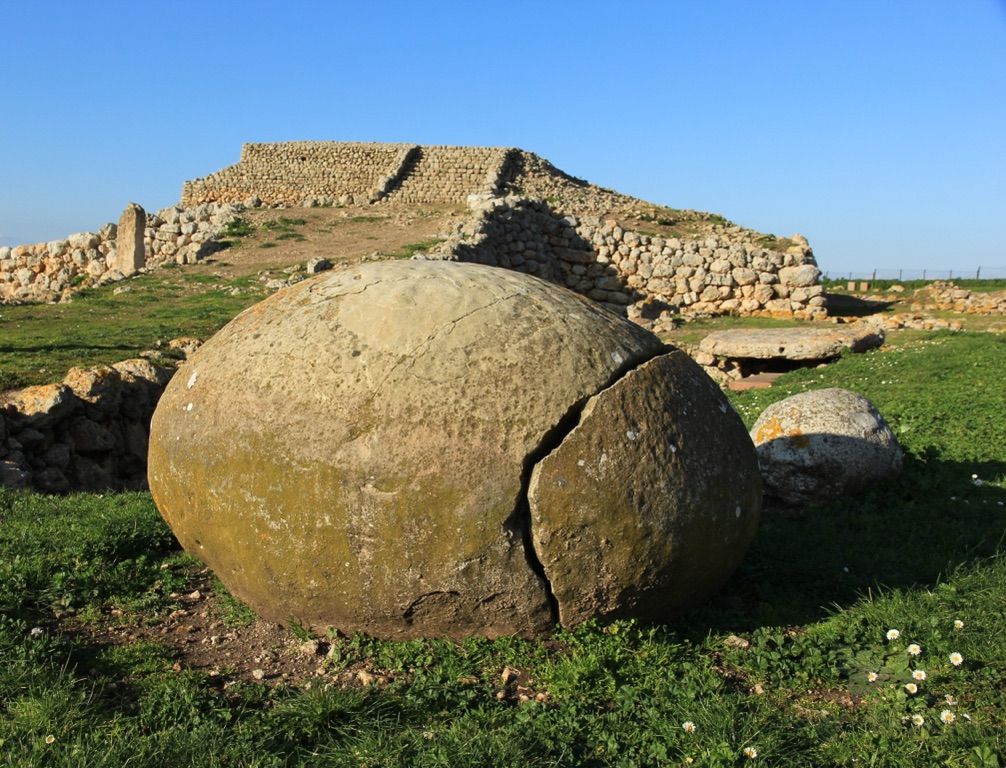
Monte d’Accoddi is a captivating prehistoric site located in Sardinia, Italy. It showcases the advanced Neolithic and Copper Age cultures that flourished in the region. The site is notably home to a massive stone platform, resembling a stepped pyramid. This unique feature reflects the early sacred architecture usually found in Mesopotamia. Researchers believe Monte d’Accoddi had a ceremonial role, attracting visitors far and wide. Its exact function, however, remains shrouded in mystery. The plateau’s design and the artifacts found there indicate a complex society with significant ritualistic practices.
Neural Pathways
Neural Pathways is a collective of seasoned experts and researchers with a profound passion for unraveling the enigmas of ancient history and artifacts. With a wealth of combined experience spanning decades, Neural Pathways has established itself as a leading voice in the realm of archaeological exploration and interpretation.
Our team of researchers and scholars provide unparalleled depth of knowledge in deciphering the intricate narratives embedded within ancient artifacts and deciphering the cultural nuances that shaped civilizations of the past. Through meticulous research, rigorous analysis, and a collaborative spirit, Neural Pathways has made and continues to make significant contributions to our understanding of the human past.
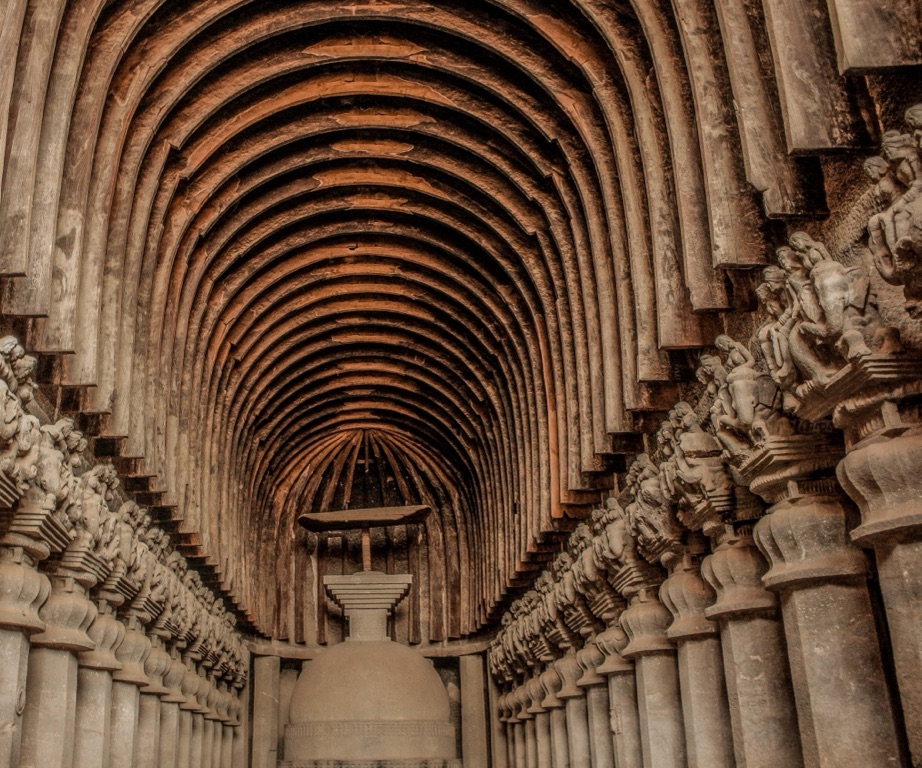
Karla Caves
Embark on a journey to the remarkable Karla Caves, and unravel the mysteries of ancient India. These caves, nestled in the Sahyadri Hills near Lonavala, Maharashtra, showcase the brilliance of Buddhist architecture. Carved from solid rock, they date back to the 2nd century BC. Visitors are greeted by an awe-inspiring chaitya, the largest in India, with its wooden arched roof still intact. Intricate carvings and inscriptions tell tales of a flourishing trade route and the patronage of the Hinayana sect of Buddhism. These historical marvels provide a unique glimpse into the religious and cultural life of ancient times.
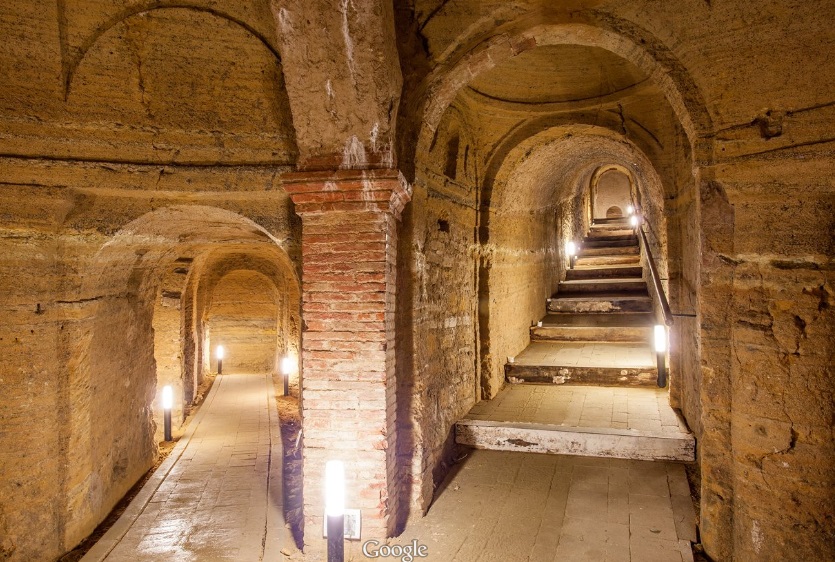
Grotte di Camerano
The Grotte di Camerano is an enigmatic underground labyrinth located in the heart of Italy. These ancient caves are a testament to the area’s historical depth and the human spirit’s ingenuity. They stretch beneath the town of Camerano, offering a spellbinding look into past civilizations. Visitors can marvel at the intricate network of passageways and rooms carved out of sandstone. These chambers once served varied purposes, from religious rituals to defensive hideouts. The air of mystery surrounding the grottoes’ original use still lingers, drawing in curious explorers and history enthusiasts alike.
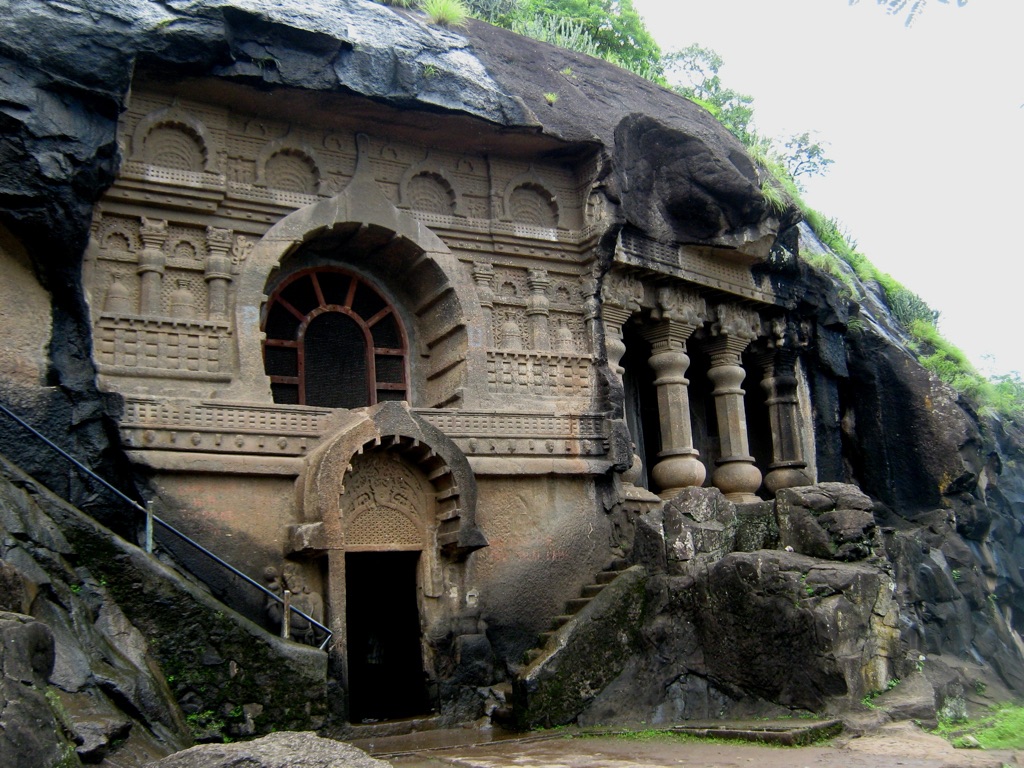
Pandavleni Caves (Nasik Caves)
Nestled in the tranquil surroundings of the Nashik region, the Pandavleni Caves are a testament to ancient Indian rock-cut architecture. These caves, hewn into the rocky hills, date back between the 3rd century BCE and the 2nd century CE. This cluster of 24 caves served as a sanctuary for Buddhist monks over centuries. They feature exquisite carvings, water cisterns, and intricate motifs reflective of the Hinayana Buddhism sect. Each cave in Pandavleni, with its unique charm and historical essence, offers insights into the lives of these early inhabitants. The caves hold an allure for both history aficionados and curious travelers alike.
Takht-e Rostam
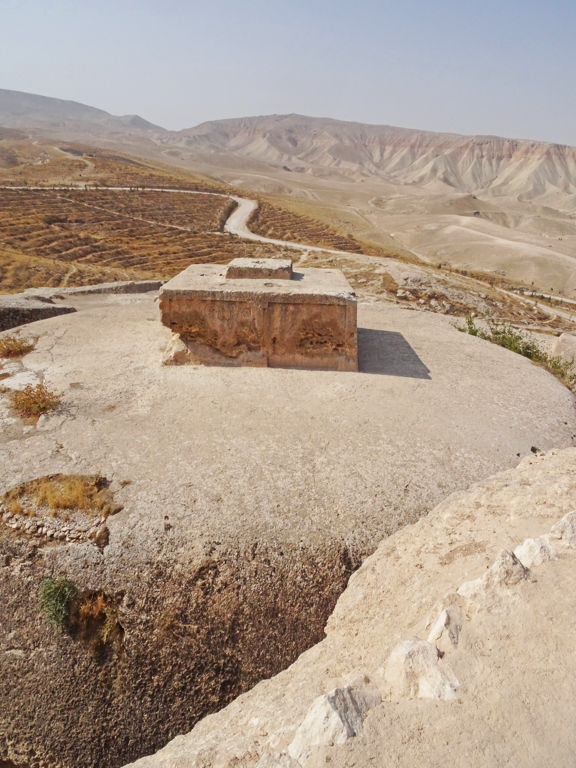
Steeped in history, Takht-e Rostam is an ancient archaeological site in Afghanistan. It’s a testament to the country’s rich cultural heritage. The site includes a stupa-monastery complex carved into a mountain. This reflects the influence of Buddhism in the region. Visitors are often captivated by the blend of cultural elements evident in the site’s art and architecture. Takht-e Rostam is not only a symbol of Afghanistan’s historical religious diversity. It also stands as a beacon of the intricate craftsmanship of ancient times.
Grotte di Osimo
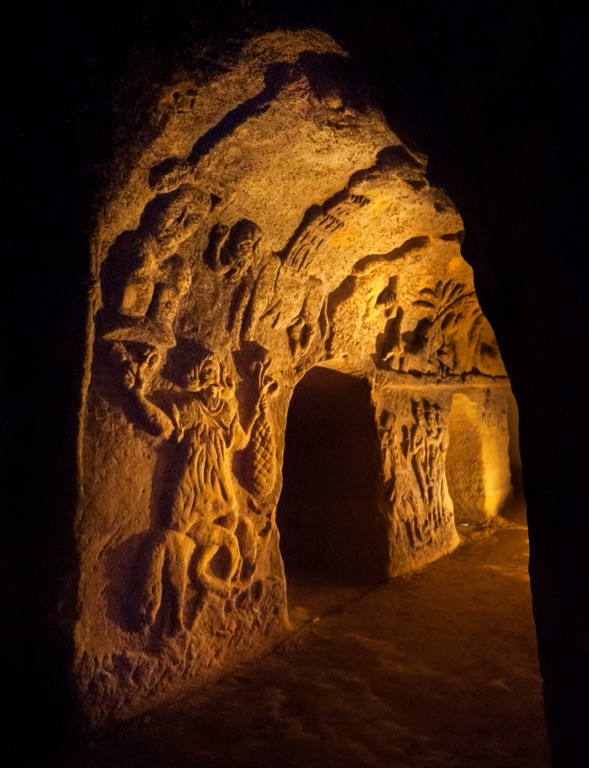
Embark on a journey through time at Grotte di Osimo, an intriguing historical site nestled in the heart of Italy. Each cave tells its own story, etched into the stone over centuries. The caves, a labyrinth of man-made chambers, unveil a past intertwined with mystery and human ingenuity. Explore the whispers of an ancient community who carved their lives underground. Revealed secrets and tales of their purposes provide visitors with a glimpse into their ingenious adaptation to life beneath the earth.