
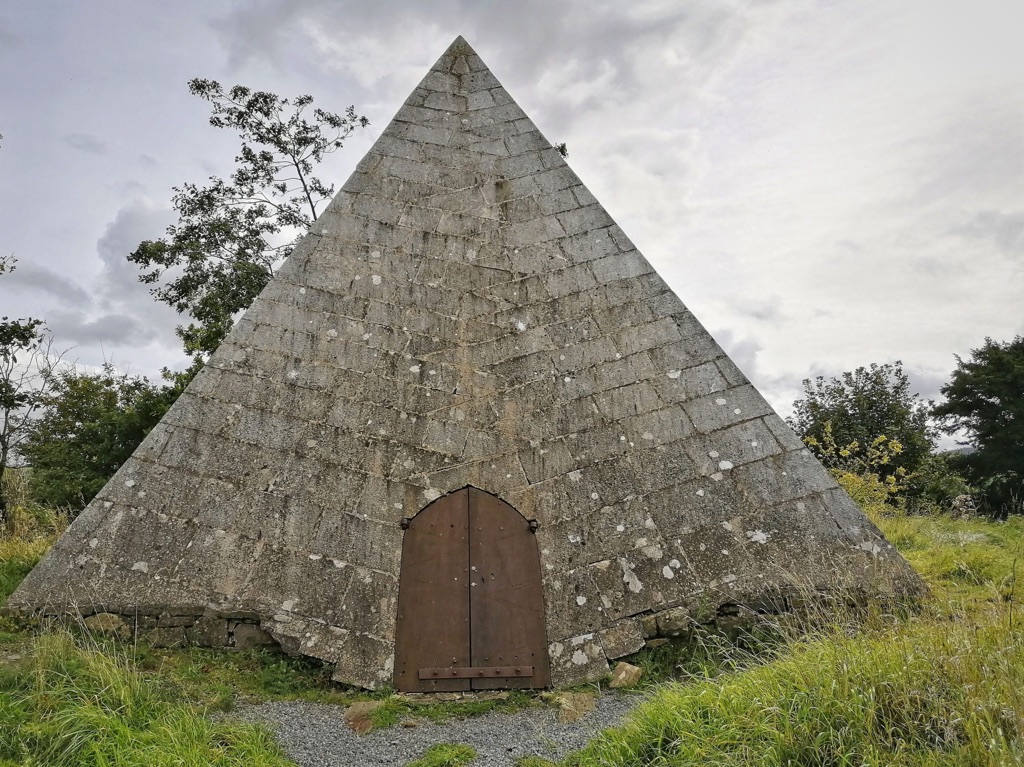
Nestled in the serene Irish countryside, the Kinnitty Pyramid stands as a unique monument shrouded in history. Found within the graveyard of St. Finnian’s Church, this 30-foot-tall pyramid is a striking presence. Built in 1834 by the Bernard family, local gentry of the time, its purpose remains a source of intrigue. Unlike the grand mausoleums or lavish burial chambers of ancient rulers, the Kinnitty Pyramid is modest yet mystifying, compelling visitors to dive into its past.
Neural Pathways
Neural Pathways is a collective of seasoned experts and researchers with a profound passion for unraveling the enigmas of ancient history and artifacts. With a wealth of combined experience spanning decades, Neural Pathways has established itself as a leading voice in the realm of archaeological exploration and interpretation.
Our team of researchers and scholars provide unparalleled depth of knowledge in deciphering the intricate narratives embedded within ancient artifacts and deciphering the cultural nuances that shaped civilizations of the past. Through meticulous research, rigorous analysis, and a collaborative spirit, Neural Pathways has made and continues to make significant contributions to our understanding of the human past.
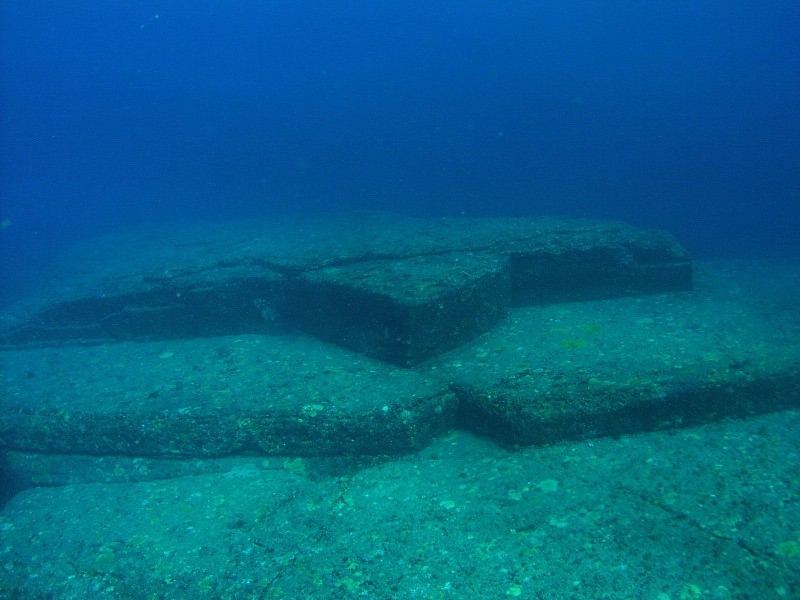
The Yonaguni Monument Ruins
At the edge of Japan, the mysterious Yonaguni Monument sparks curiosity and debate among scholars. Discovered in 1985 off the coast of Yonaguni Island, this underwater structure resembles architectural elements. It consists of terraced walls and pyramid-like shapes. Some believe it is a natural formation crafted by strong currents and geological activity. Others argue it’s a remnant of an ancient civilization, possibly predating known history. The monument’s true origin remains contested, capturing the imagination of explorers and researchers alike.
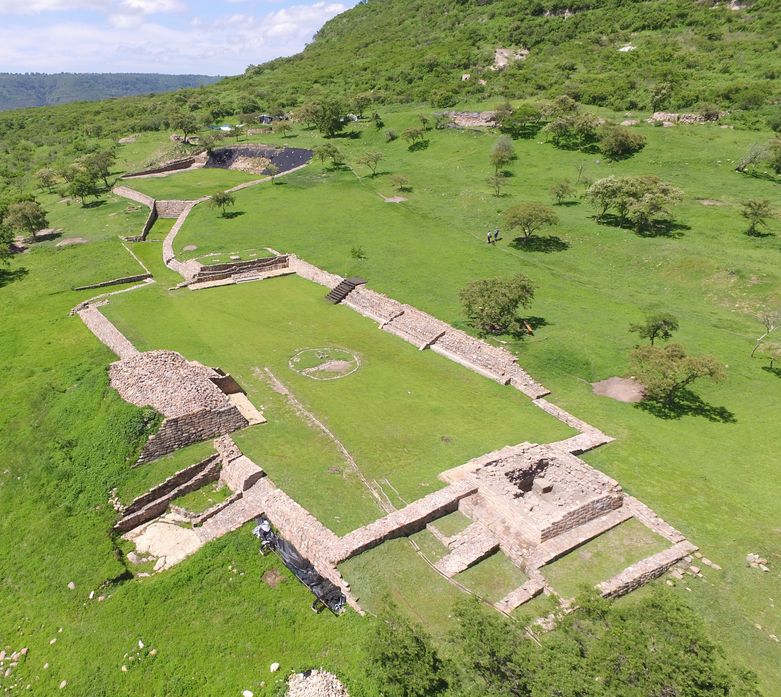
El Teúl
El Teúl stands as a witness to the ebb and flow of civilizations over the centuries. Situated in the Mexican state of Zacatecas, this archaeological site has served as a sacred ground for multiple cultures, including the Teuchitlan tradition, Caxcanes, and eventually the Spanish during colonial times. The richness of its history is evident in the diverse architectural remnants, from the circular stepped pyramids to colonial period edifices. Exploring El Teúl takes one on a trip through millennia, where one uncovers the legacies of the past that shaped the cultural heritage of the region.
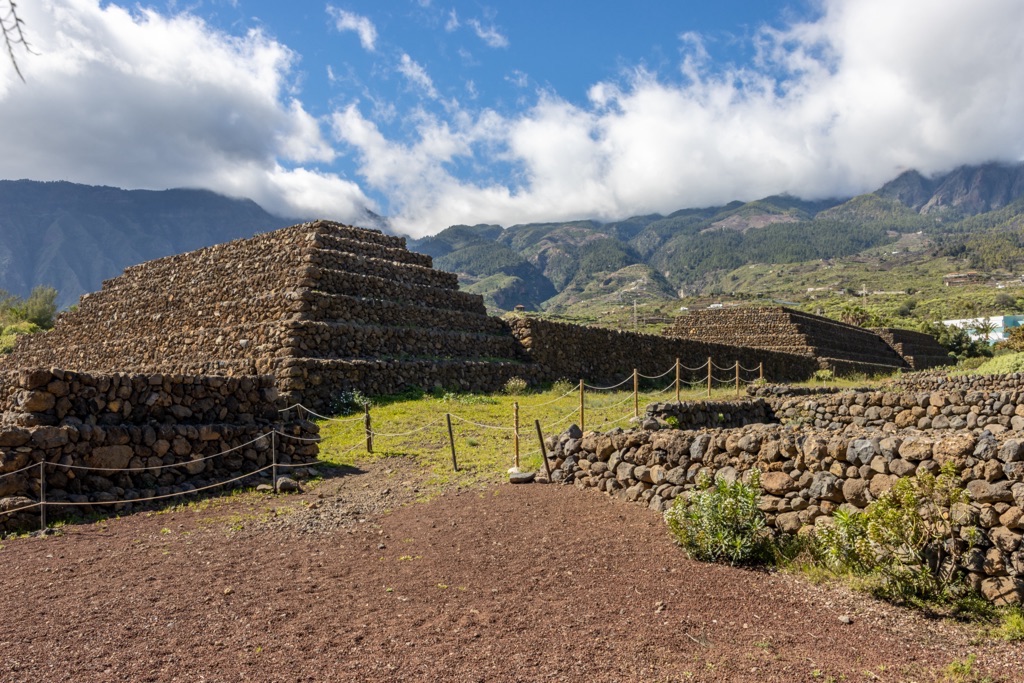
Pyramids of Güímar
The Pyramids of Güímar stand as a captivating enigma in the Canary Islands, beckoning historians and tourists alike. Their precise origin remains a puzzle, generating intrigue around the world. Some theories suggest they were random stone heaps made by farmers clearing the land. However, Thor Heyerdahl, a notable explorer, argued that their careful construction aligns with astronomical phenomena; hence, they might have sacred significance. The pyramids exhibit a meticulous step design, which is not typical for mere agricultural byproducts. This suggests a deliberate human effort, possibly with ceremonial purposes, adding to the site’s mystique.
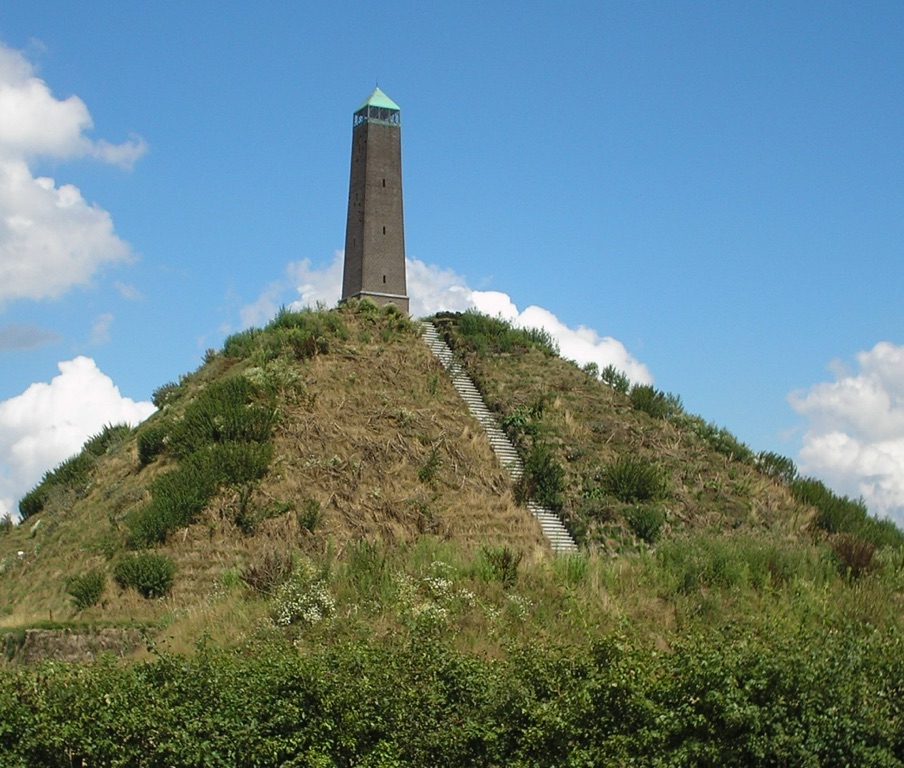
Pyramid of Austerlitz
Located in the heart of the Netherlands, the Pyramid of Austerlitz is a historical marvel steeped in European history. Built by the soldiers of Napoleon’s Grande Armée, this unique pyramid stands as a monument to their time in the region. Surrounded by lush forest, the structure offers visitors a glimpse into the Napoleonic era, commemorating the military achievements of the time. Its earthen form, topped with a stone obelisk, provides a distinctive silhouette against the natural landscape, attracting history enthusiasts and tourists alike.
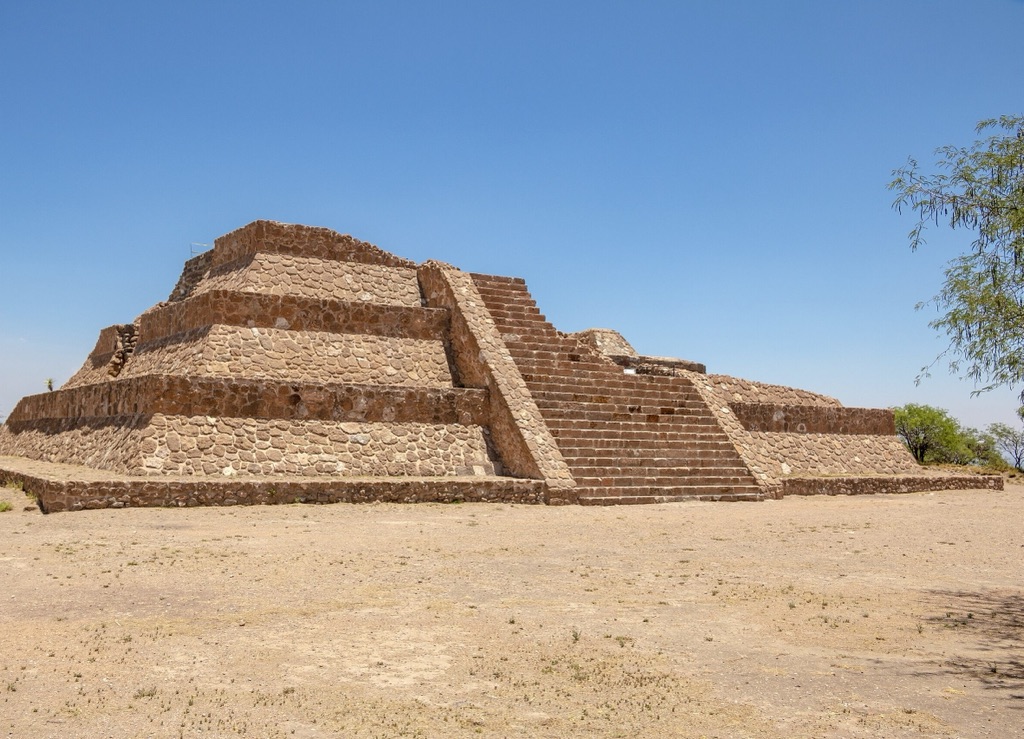
Pahñú
Embedded in the heart of Mexico lies Pahñú, a historical site reverberating with ancient stories and cultural wealth. This age-old archaeological treasure offers visitors a vivid window into the lives of the indigenous people that once thrived there. With its grand stone structures and intricate carvings, Pahñú stands as a testament to the Otomí people’s ingenuity and spirituality. Scholars believe that the site might have served as a ceremonial center, making it a focal point for understanding pre-Columbian religious practices.