
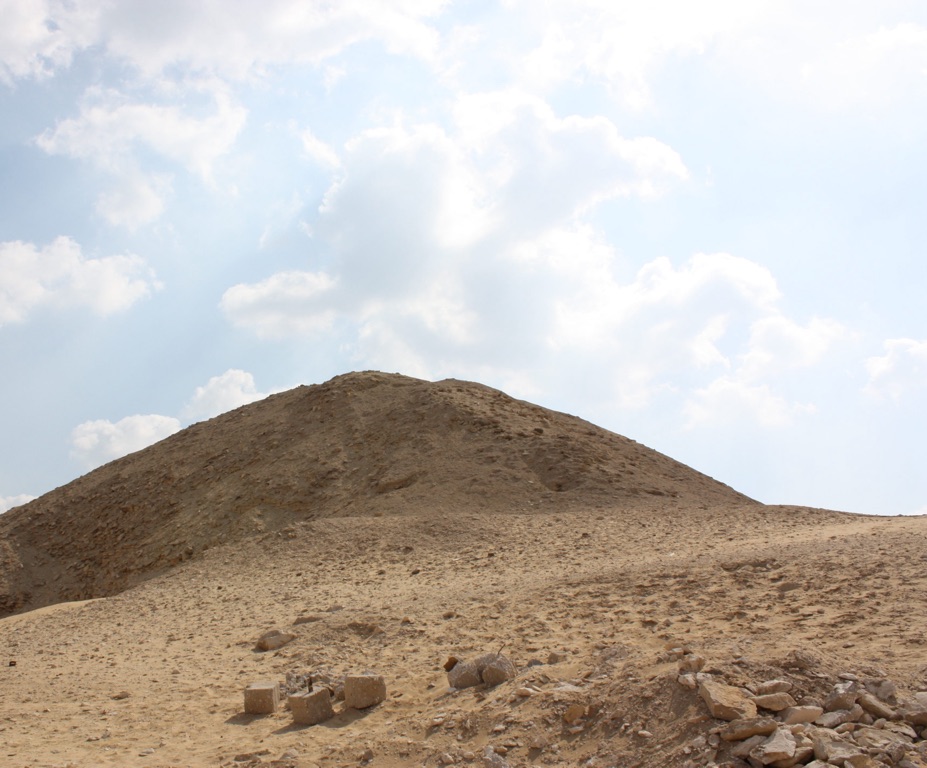
The Pyramid of Teti is a testament to the ingenuity of ancient Egyptian civilization. As the first pyramid of the Sixth Dynasty in Egypt’s Old Kingdom, the Pyramid of Teti invites history buffs and travelers to explore its corridors. It holds the honor of housing the second-oldest known pyramid texts. Visitors can marvel at hieroglyphic carvings revealing glimpses of life and beliefs from millennia ago. Immerse in a history that has transcended time while wandering through its once concealed chambers.
Neural Pathways
Neural Pathways is a collective of seasoned experts and researchers with a profound passion for unraveling the enigmas of ancient history and artifacts. With a wealth of combined experience spanning decades, Neural Pathways has established itself as a leading voice in the realm of archaeological exploration and interpretation.
Our team of researchers and scholars provide unparalleled depth of knowledge in deciphering the intricate narratives embedded within ancient artifacts and deciphering the cultural nuances that shaped civilizations of the past. Through meticulous research, rigorous analysis, and a collaborative spirit, Neural Pathways has made and continues to make significant contributions to our understanding of the human past.
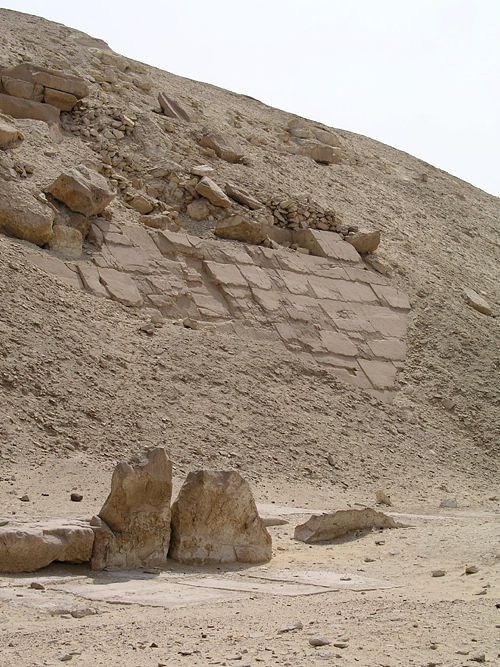
Pyramid of Senusret I
The Pyramid of Senusret I stands as a testament to the architectural prowess of the Middle Kingdom of ancient Egypt. This enduring monument is located in the heart of El-Lisht, near the ruins of the ancient city of Itjtawy. Built for the second pharaoh of the Twelfth Dynasty, Senusret I, the pyramid reflects the period’s innovation in design and construction. Unlike the earlier smooth-sided pyramids, Senusret I’s pyramid featured a core built of mudbricks, encased by fine limestone. This site offers a glimpse into the religious and cultural practices of the time, underlying the pharaoh’s role as both a divine deity and a mortal ruler.
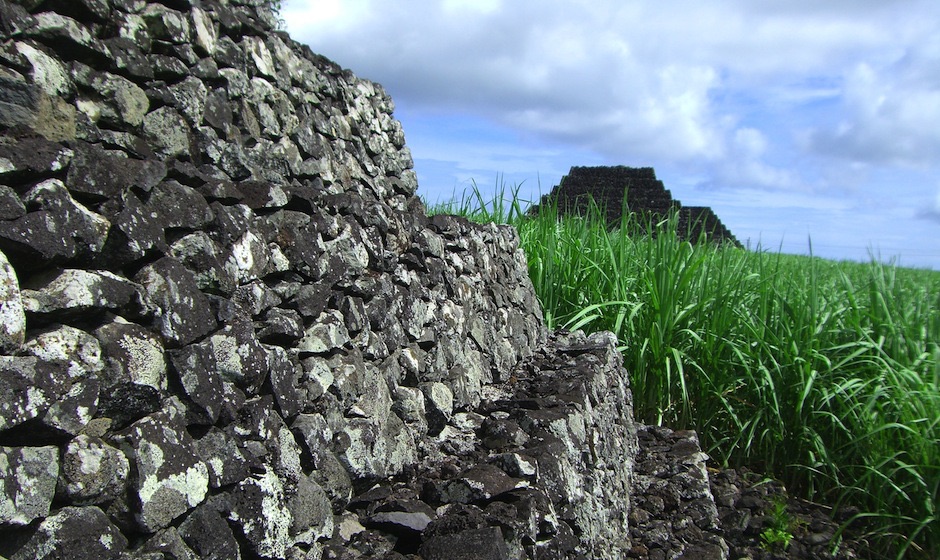
Pyramids of Plaine Magnien
Plaine Magnien, a village in Mauritius, is home to an astonishing historical treasure: a group of pyramids that challenge conventional history. These unique structures are reminiscent of stepped pyramids found in other parts of the world, sparking curiosity and attracting visitors. Built from volcanic rock, each pyramid stands testament to the island’s rich and diverse history which includes influences from African, European, and Asian cultures. Often overshadowed by the fame of Egyptian pyramids, the Plaine Magnien pyramids offer a unique glimpse into the island’s past, inviting tourists and scholars alike to explore theories surrounding their origin.
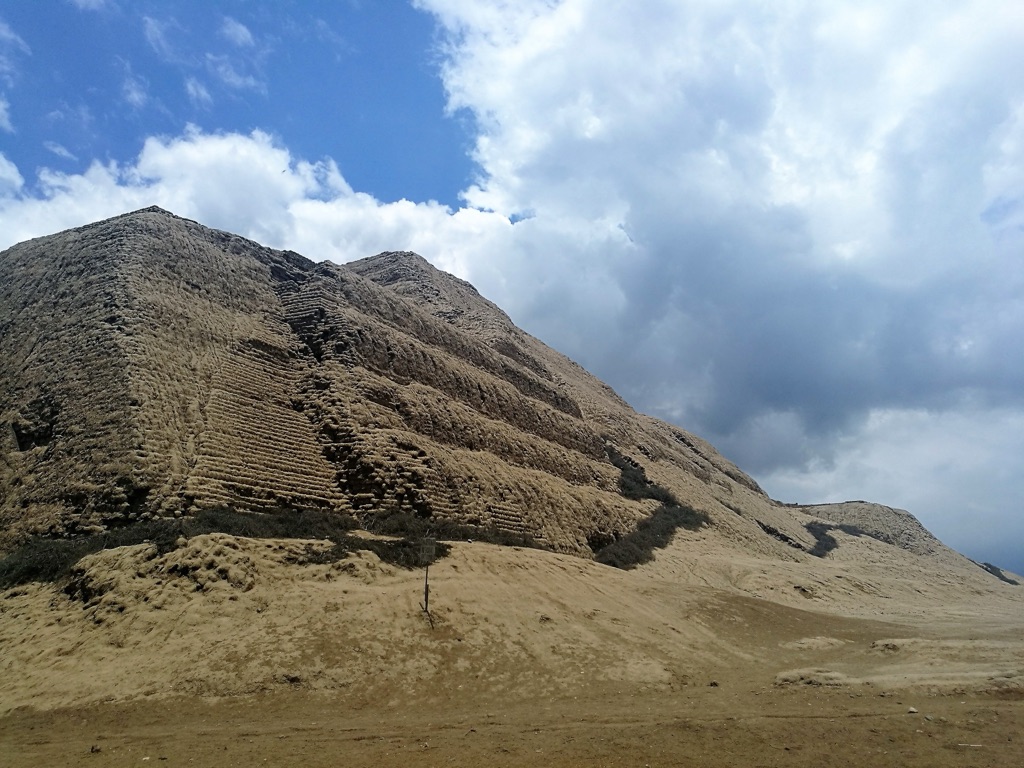
Huaca del sol
Huaca del Sol stands as a testament to the might and skill of the Moche civilization. This ancient adobe brick temple, located in the Moche Valley of northern Peru, amazes historians and tourists alike. It once served as a center for political and religious activities. The Moche built this pyramid-shaped structure around AD 450. Its construction showcases their advanced understanding of engineering and labor organization. Today, Huaca del Sol tells a story of power, craftsmanship, and the mysterious decline of its builders.
Huaca de la Luna
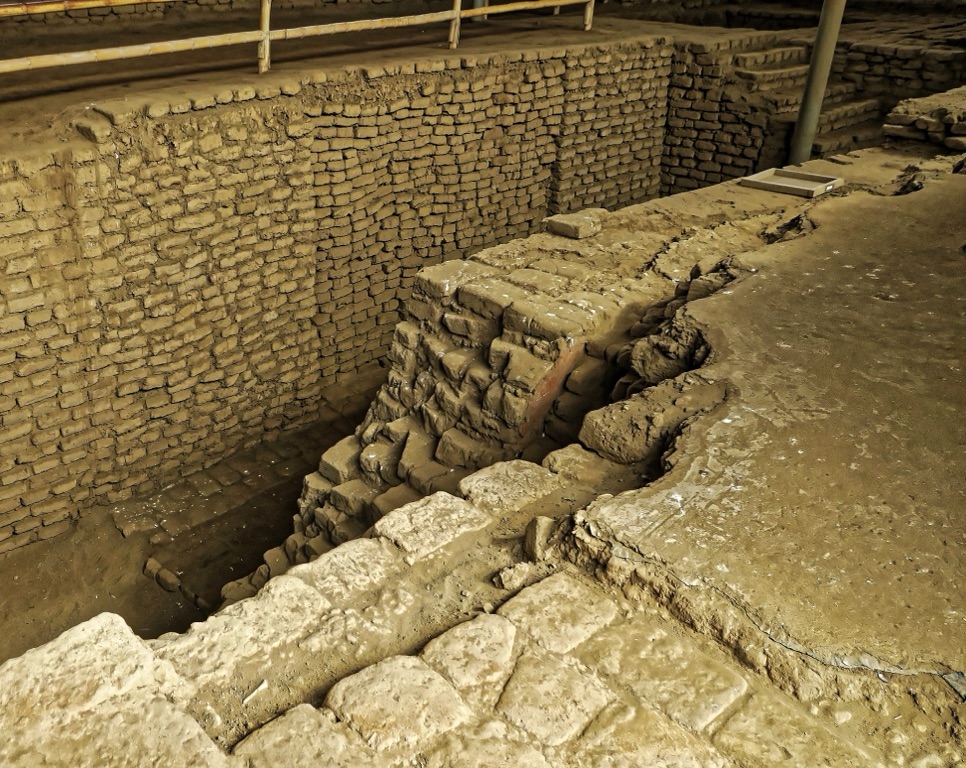
Huaca de la Luna is a mesmerizing testament to the Moche civilization, dating back to AD 100-800. Nestled in the arid coastal desert of northern Peru, this ancient temple complex forms a significant part of the Moche Route. Intriguing murals recounting Moche mythology adorn its walls. The site’s extensive layout, including ceremonial spaces and living quarters, offers a rare glimpse into pre-Columbian life. Excavations have revealed rich iconography that speaks volumes about the Moche people’s beliefs and customs. Visitors to Huaca de la Luna can experience the grandeur of this historical marvel, where past grandiosity echoes through the ages.
Rán and Ægir in Norse Mythology
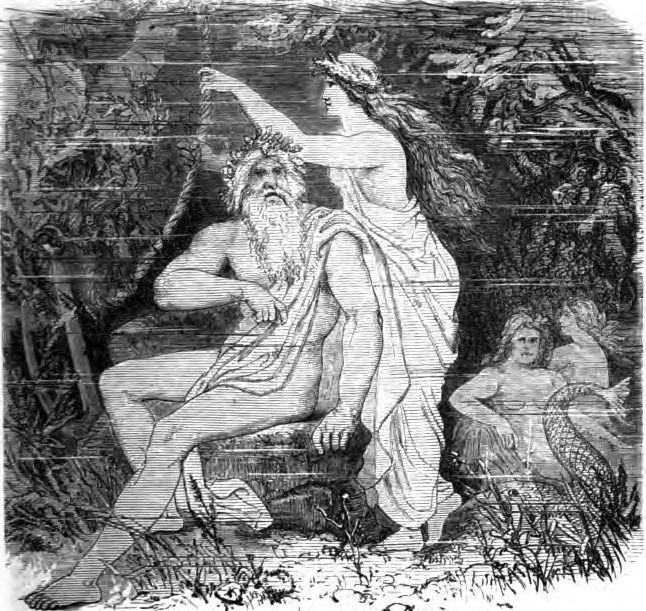
Norse mythology captivates with its rich tapestry of gods, giants, and magical creatures narrating the lore of ancient Scandinavia. These stories, handed down through generations, were much more than mere tales. They explained natural phenomena, taught moral lessons, and provided entertainment during the long, cold winters. The Norse deities were complex, with human-like emotions and flaws, making their stories relatable. Among them, sea deities played pivotal roles, reflecting the Vikings’ deep connection with the ocean, a vital source of sustenance and a pathway to exploration and trade.