
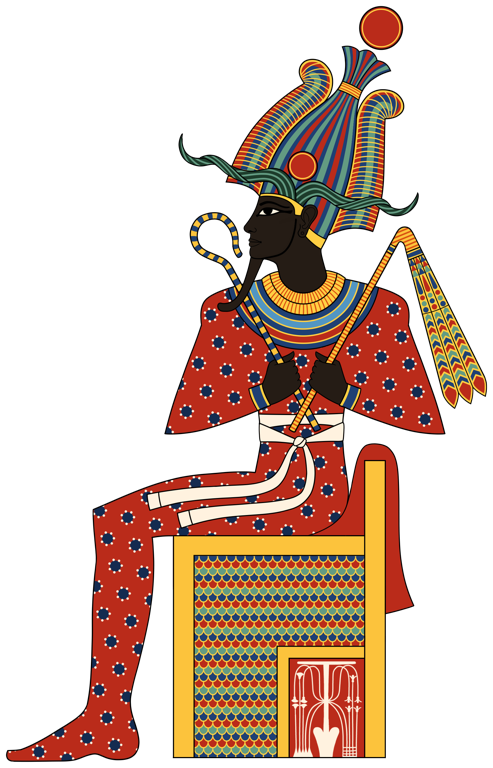
Osiris, the ancient Egyptian god, holds a key role in the mythology, religion, and history of Egypt. He is the god of the afterlife, the underworld, and the dead, but not in a morbid sense. Instead, Osiris stands as a symbol of resurrection and eternal life. His story is a tale of betrayal, murder, and rebirth. It begins with his cruel brother Set, who conspired to kill him to usurp the throne. Isis, Osiris’s devoted wife, gathered his scattered body parts and restored him to life. This myth emphasizes the cycle of life, death, and rebirth, which was central to the Egyptian belief system. It profoundly impacted Egyptian culture, influencing burial practices and their understanding of the afterlife.
Neural Pathways
Neural Pathways is a collective of seasoned experts and researchers with a profound passion for unraveling the enigmas of ancient history and artifacts. With a wealth of combined experience spanning decades, Neural Pathways has established itself as a leading voice in the realm of archaeological exploration and interpretation.
Our team of researchers and scholars provide unparalleled depth of knowledge in deciphering the intricate narratives embedded within ancient artifacts and deciphering the cultural nuances that shaped civilizations of the past. Through meticulous research, rigorous analysis, and a collaborative spirit, Neural Pathways has made and continues to make significant contributions to our understanding of the human past.
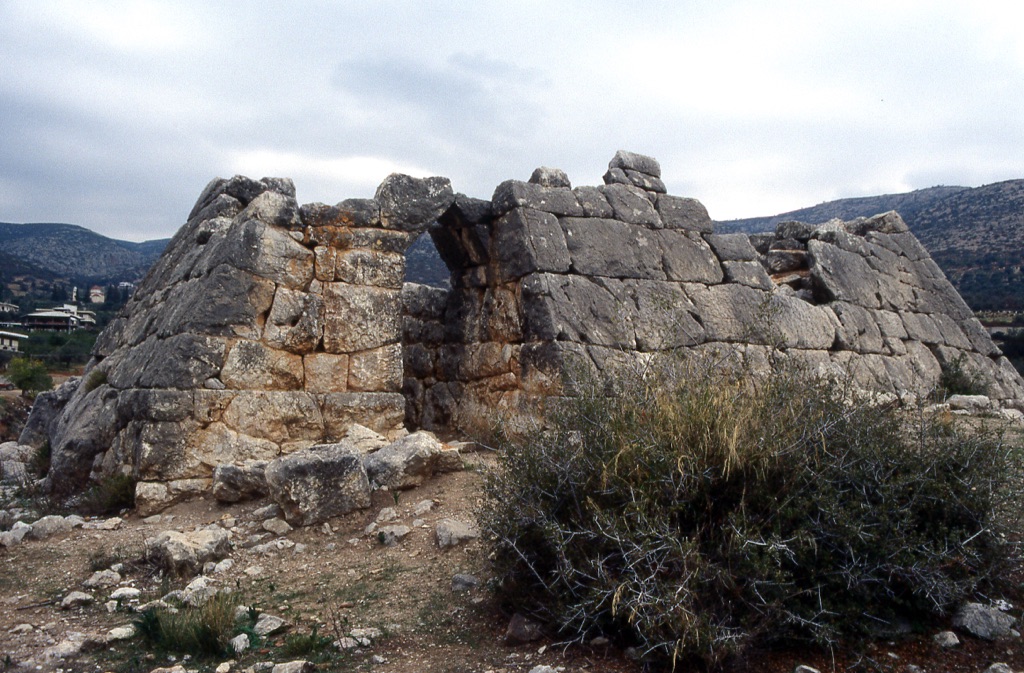
Pyramids of Greece
The Pyramids of Greece, often overshadowed by their Egyptian counterparts, are an enigmatic treasure in the realm of archaeology. These structures imbue the Peloponnese landscape with a sense of ancient mystique. Dates suggest they were built around the 4th or 5th century BC, with the most famous example being the Pyramid of Hellinikon. Unlike the tombs of Egypt, the Greek pyramids’ purpose remains unclear. Scholars speculate they could be markers, fortresses, or even ancient calendar systems. With limited documentation available, these pyramids invite modern seekers to explore their intriguing past.
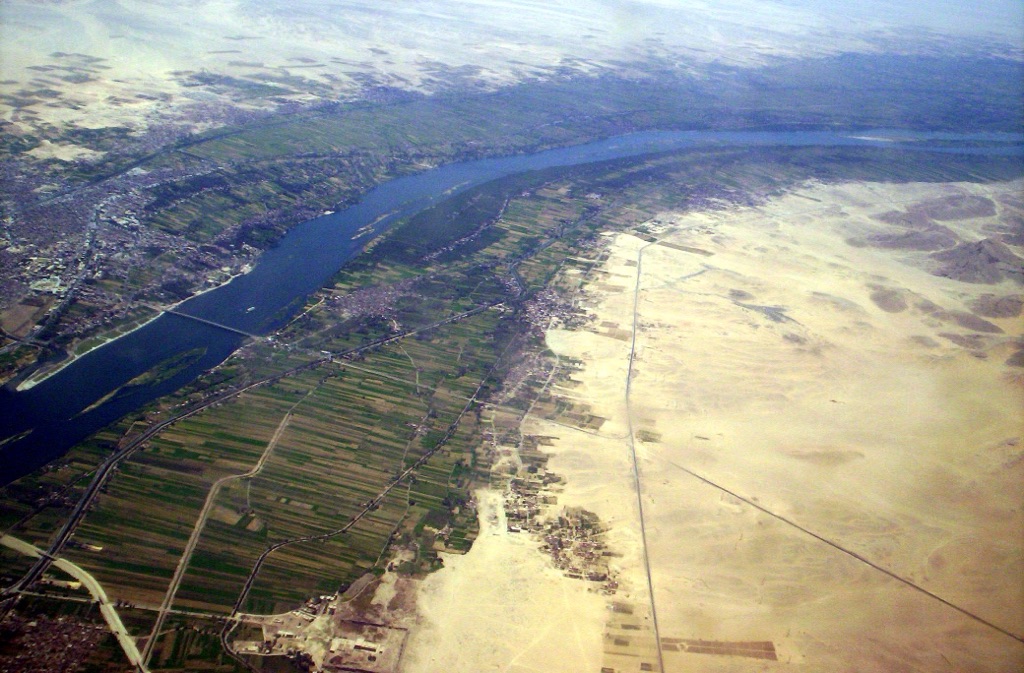
The Nile River’s Role in the Flourishing of Ancient Egypt
The Nile River, a lifeblood of Ancient Egypt, served as the foundational element for the region’s astounding development. This majestic waterway’s predictable flooding cycles deposited rich, fertile soil along its banks. This phenomenon allowed the Egyptians to excel in agriculture. Crops such as wheat, flax, and papyrus thrived, which supported a growing populace and sparked trade. The Nile’s waters also provided a crucial transportation route. It linked disparate parts of the empire and fortified its economic and social cohesion. By clever utilization of the river’s resources, Ancient Egypt became a bedrock of ancient civilization. Its tales of prosperity and cultural achievements echo through time, largely thanks to the gifts of the Nile.
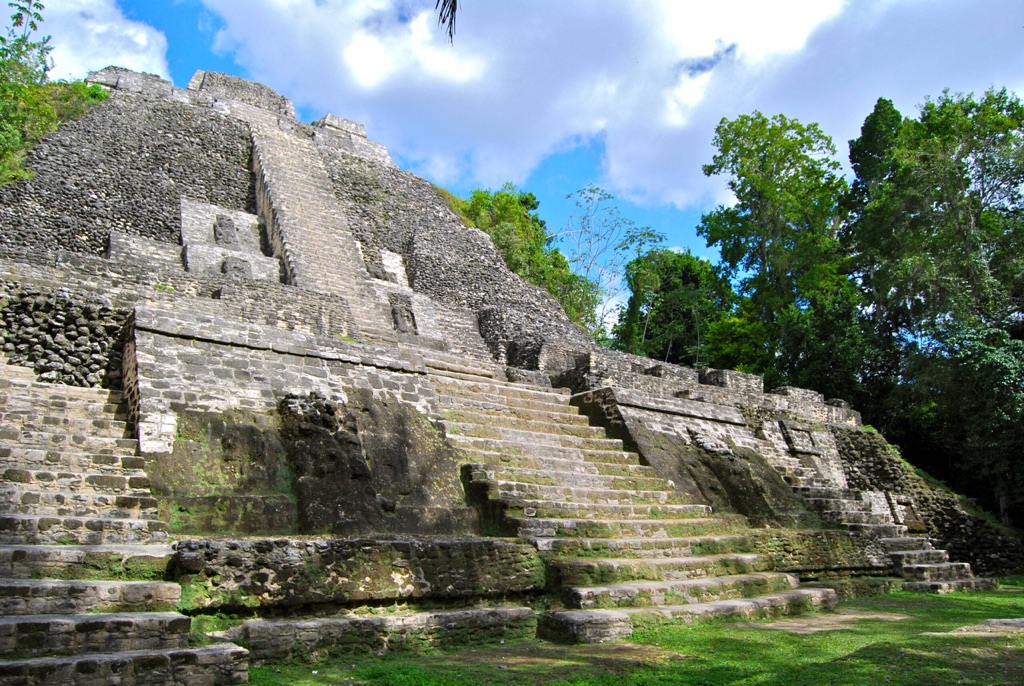
Lamanai
Embark on a journey through time at the ancient Lamanai Mayan ruins, nestled in the lush jungles of Belize. This significant historical site boasts a name that means “submerged crocodile,” reflecting its mystical past. Lamanai stands out with its long occupation span, from the pre-classic Maya period right through to the post-classic period, signaling a civilization’s resilience. Visitors can marvel at the majestic temples, plazas, and artifacts that paint a vibrant picture of Mayan culture. Each structure tells a story, from the imposing High Temple with its panoramic views to the Mask Temple, adorned with intricate carvings of Mayan rulers and gods.
Huapalcalco
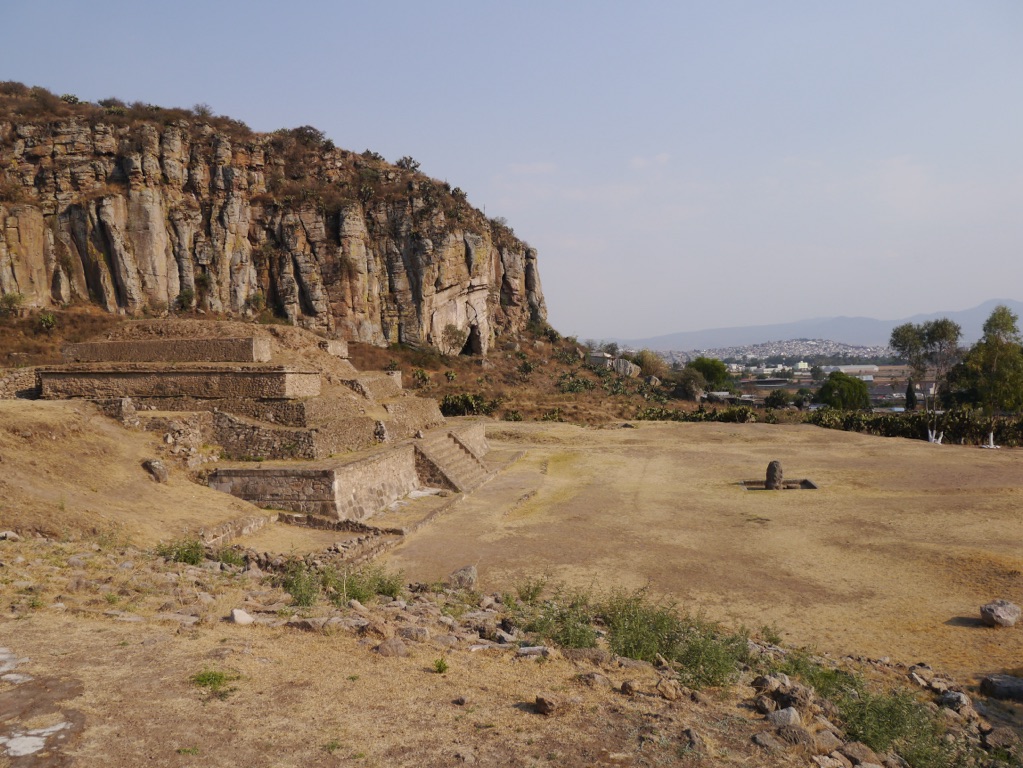
Huapalcalco, nestled in the heart of Mexico, stands as a testament to the region’s ancient civilizations. This pre-Columbian site bears the marks of a complex society and a deep-rooted history. It invites visitors to delve into a time when Mesoamerican cultures flourished. Known for its architecturally impressive ruins, Huapalcalco offers a rare glimpse into the past. It showcases ceremonial platforms and intricate stone carvings that adorn its landscape. This place is not just a tourist attraction, but a bridge to a bygone era. It holds tales of a people whose ingenuity and spirituality were etched into every stone.
Pyramid of Nyuserre
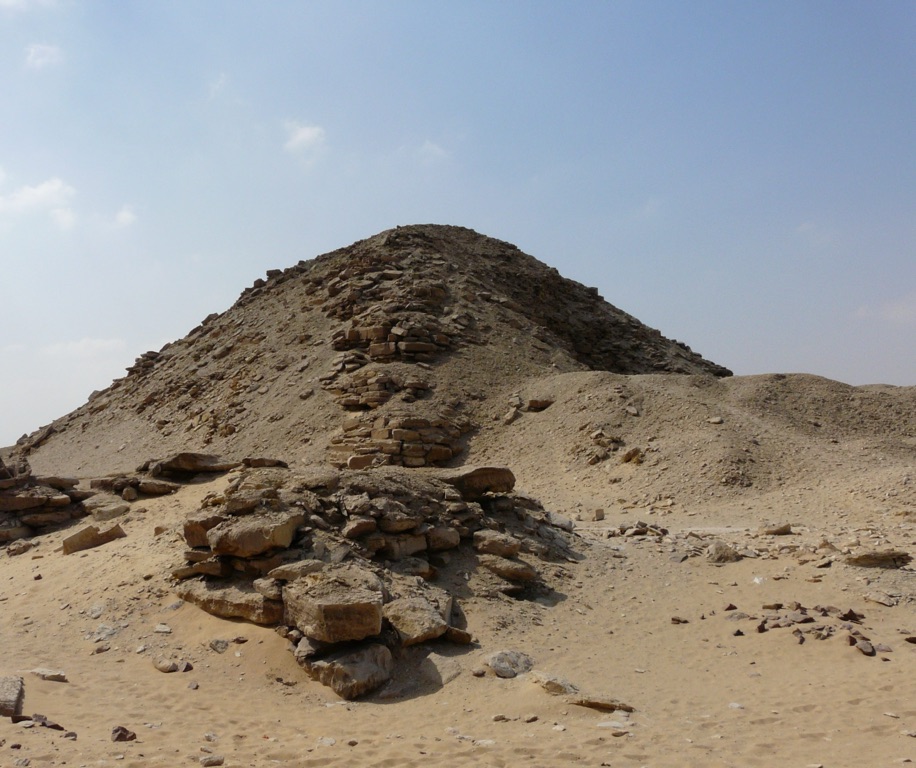
The Pyramid of Nyuserre Ini, a landmark in the necropolis of Abusir, stands as an ancient testament to the Fifth Dynasty of Egypt’s Old Kingdom. Constructed as the final resting place of Pharaoh Nyuserre Ini, its grandeur is a reflection of the pharaoh’s influence and the architectural innovations of the era. Though time has taken its toll, the pyramid’s remnants offer insights into the religious and cultural practices of ancient Egyptian civilization, captivating historians and tourists alike.