
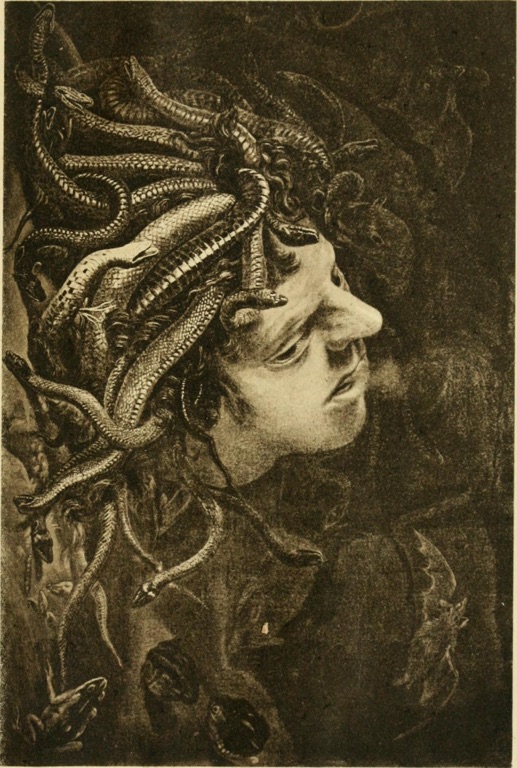
Medusa is one of the most intriguing figures in Greek mythology. Her story is a blend of beauty, curse, and doom. This mythical Gorgon is widely recognized by her hair of living snakes and gaze that turns onlookers to stone. The medusa story is not just a tale of horror; it symbolizes transformation and power. Ancient tales tell us about Medusa’s beauty before she became a Gorgon. These attributes have made Medusa symbol a compelling subject in art and literature throughout the ages.
Neural Pathways
Neural Pathways is a collective of seasoned experts and researchers with a profound passion for unraveling the enigmas of ancient history and artifacts. With a wealth of combined experience spanning decades, Neural Pathways has established itself as a leading voice in the realm of archaeological exploration and interpretation.
Our team of researchers and scholars provide unparalleled depth of knowledge in deciphering the intricate narratives embedded within ancient artifacts and deciphering the cultural nuances that shaped civilizations of the past. Through meticulous research, rigorous analysis, and a collaborative spirit, Neural Pathways has made and continues to make significant contributions to our understanding of the human past.
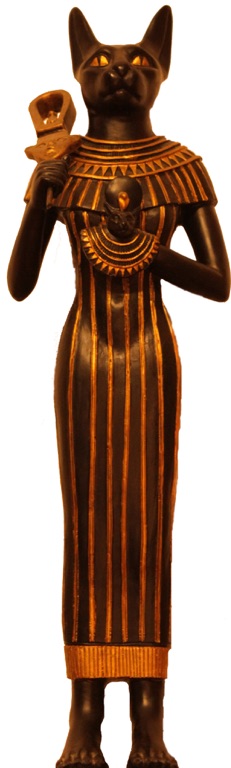
Feline Divinity: The Role of Cats in Ancient Egypt
Cats held a special place in Ancient Egyptian culture, revered for their grace and mysterious demeanor. They were more than just domestic companions, but symbols of divine protection. Egyptians believed that cats carried the spirit of Bastet, the goddess of home, fertility, and childbirth. With their perceptive eyes that could see in the dark, cats became guardians against unseen threats. Temples were homes to these sacred animals, where priests cared for them as embodiments of deity. Artwork from the time depicts felines sitting beside royalty, implying their high status. Cats’ remarkable ability to kill vermin that threatened food supplies further elevated their divine role, intertwining practical virtues with supernatural beliefs.
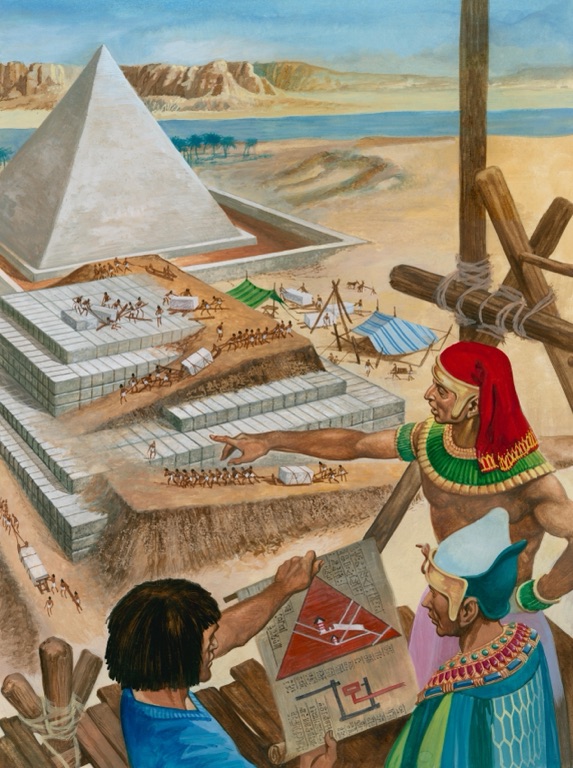
Uncovering Ancient Egypt’s Pyramid Ramp System
Recent archaeological finds have shed light on how the ancient Egyptians may have built their iconic pyramids. Evidence suggests that a clever ramp system played a crucial role in transporting the massive limestone blocks used in construction. This system, consisting of steep, zigzagging ramps aligned with the pyramid sides, has captivated historians and archaeologists alike. Excavations have uncovered remnants of these ramps. They date back to the reign of Pharaoh Khufu, aligning with the period of the Great Pyramid’s construction. The discovery has sparked a reassessment of the pyramid-building techniques. It highlights the Egyptians’ advanced understanding of engineering and logistics.
Aten Egyptian God
In the rich tapestry of ancient Egyptian mythology, the sun god Aten occupies a fascinating niche. Initially a lesser deity, Aten rose to prominence during the reign of Pharaoh Akhenaten, around 1353-1336 BCE. Unlike the more traditional depictions of sun gods with human or animal forms, Aten was uniquely represented by a solar disc radiating hands that bestowed life-giving rays onto the pharaoh and the kingdom. Akhenaten’s revolutionary religious reform focused solely on Aten, promoting monotheism in a historically polytheistic society. This shift resulted in the construction of a new capital city, Akhetaten, dedicated to Aten, and the unprecedented attempt to sweep away the old gods in favor of this singular, all-encompassing deity.
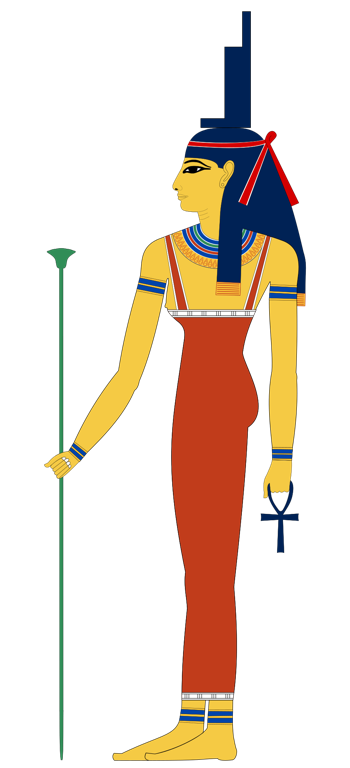
Isis Egyptian Goddess
Isis, the ancient Egyptian goddess, remains one of the most significant deities from the pantheon. She symbolizes motherhood, fertility, and magic. Dating back to the Old Kingdom period, Isis gained a following that thrived through various dynasties. This worship continued even after the decline of the Egyptian civilization, as Greco-Roman cultures adopted Isis into their own beliefs. The goddess was wife to Osiris, god of the underworld, and mother to Horus, the sky god. Egyptians revered her for her unwavering loyalty to her husband and her role in restoring him to life. Temples erected in her honor, such as the grand temple at Philae, became pilgrimage destinations. They underscored her importance in society and religion.
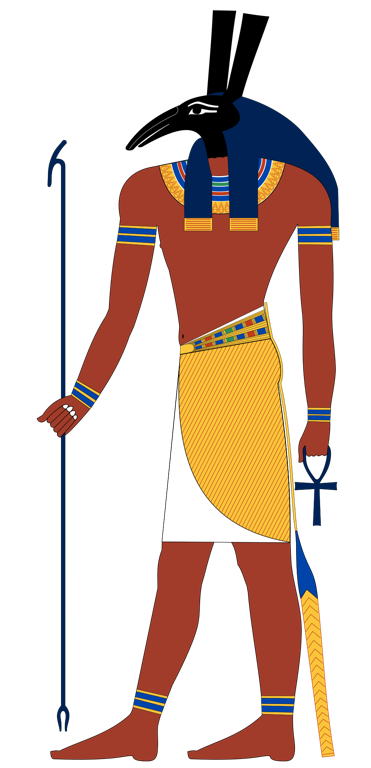
Seti (Seth) Egyptian God
In ancient Egyptian mythology, Seti, also known as Seth, stands out as a complex deity. He governs chaos, deserts, storms, and war. Unlike other gods, Seti’s story evolves over time. In early myths, he was a respected protector of Ra, the sun god. Seti would fend off the serpent, Apep, during Ra’s nightly voyage through the underworld. This role earned him the honor among the gods. As stories evolved, Seti’s image changed. He became known for trickery and violence, particularly in the Osiris myth. Here, Seti kills and dismembers his brother Osiris, only to be defeated by his nephew Horus. Despite his dark traits, Egyptians also saw him as a necessary force. He balanced out the order maintained by other deities. Seti’s complexity reflects the intricacy of Egyptian theology. It showcases their comfort with the duality of life’s forces.