
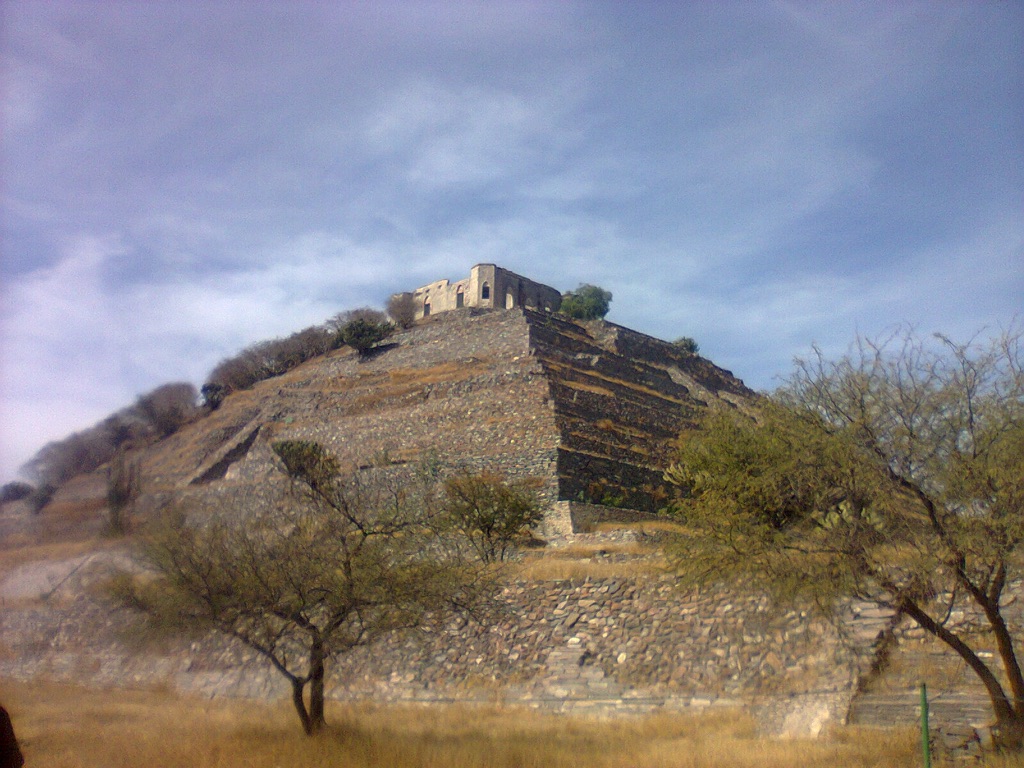
The El Cerrito Archaeological Site is a pre-Columbian archaeological location in Querétaro, Mexico. It showcases the remains of a temple complex that played a significant role in the region’s cultural and religious life. The site offers a glimpse into the ancient Mesoamerican civilizations that thrived before the Spanish conquest. El Cerrito’s importance lies not only in its historical value but also in its contribution to our understanding of the Toltec and other indigenous cultures.
Neural Pathways
Neural Pathways is a collective of seasoned experts and researchers with a profound passion for unraveling the enigmas of ancient history and artifacts. With a wealth of combined experience spanning decades, Neural Pathways has established itself as a leading voice in the realm of archaeological exploration and interpretation.
Our team of researchers and scholars provide unparalleled depth of knowledge in deciphering the intricate narratives embedded within ancient artifacts and deciphering the cultural nuances that shaped civilizations of the past. Through meticulous research, rigorous analysis, and a collaborative spirit, Neural Pathways has made and continues to make significant contributions to our understanding of the human past.
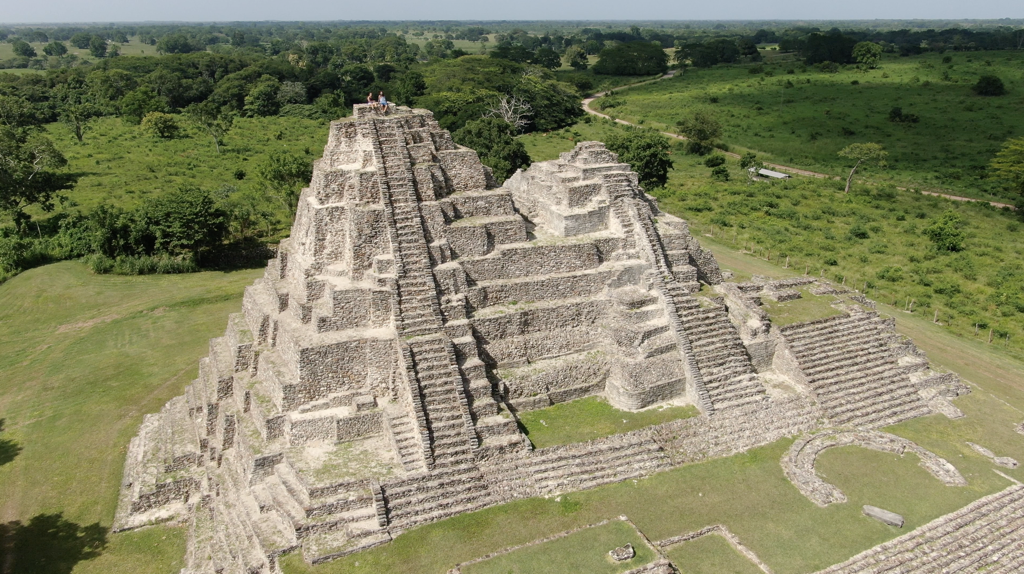
Moral Reforma
Moral Reforma is an archaeological site located in Tabasco, Mexico. It is part of the Maya civilization, which thrived in Mesoamerica for thousands of years. The site includes various structures such as pyramids, plazas, and residential areas. It provides valuable insights into the social, political, and economic aspects of the Maya culture. The site’s discovery and subsequent studies have contributed significantly to the understanding of Maya history and its intricate calendar system.
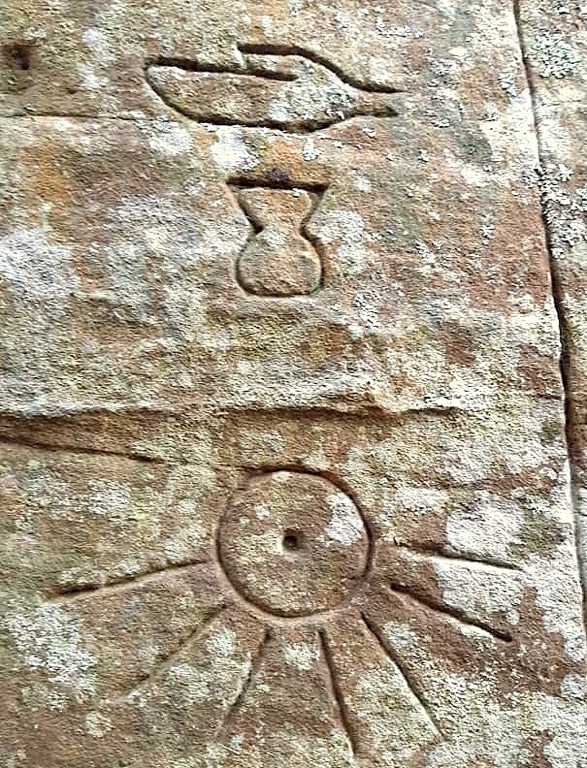
Gosford hieroglyphs
The Gosford hieroglyphs, also known as the Kariong glyphs, are a group of approximately 300 engravings on two sandstone walls in the Brisbane Water National Park, Gosford, New South Wales, Australia. These engravings have sparked significant debate and interest since their discovery, with claims that they are ancient Egyptian hieroglyphs. However, most Egyptologists and archaeologists consider them to be modern forgeries. The glyphs are located near the town of Gosford, a region not known for any ancient Egyptian presence.
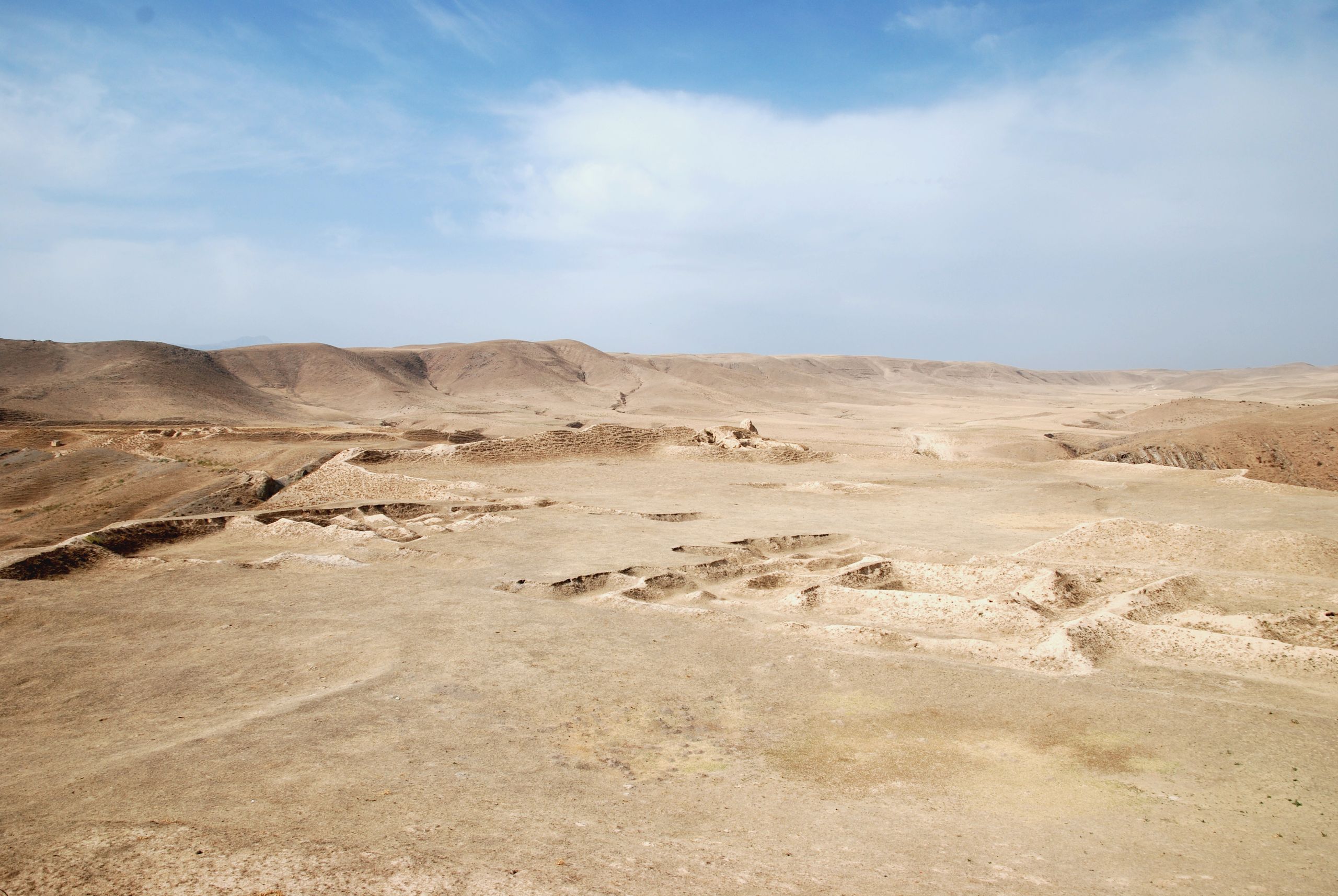
Bunjikat archeological site
The Bunjikat archaeological site, nestled in the heart of modern-day Tajikistan, is a window into the ancient world. It offers a glimpse into the lives of the people who thrived in the Sogdian civilization. The ruins, which include a citadel, palace, and residential quarters, are a testament to the region’s historical significance. The site’s discovery and subsequent excavations have provided valuable insights into the cultural and architectural practices of a bygone era.
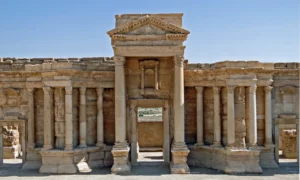
The Roman Theatre at Palmyra
The Roman Theater of Palmyra stands as a testament to the architectural grandeur of ancient civilizations. Nestled in the heart of the Syrian desert, this majestic structure once echoed with the voices of actors and the applause of spectators. Today, it serves as a poignant reminder of Palmyra’s historical significance and the cultural crossroads it represented in antiquity.
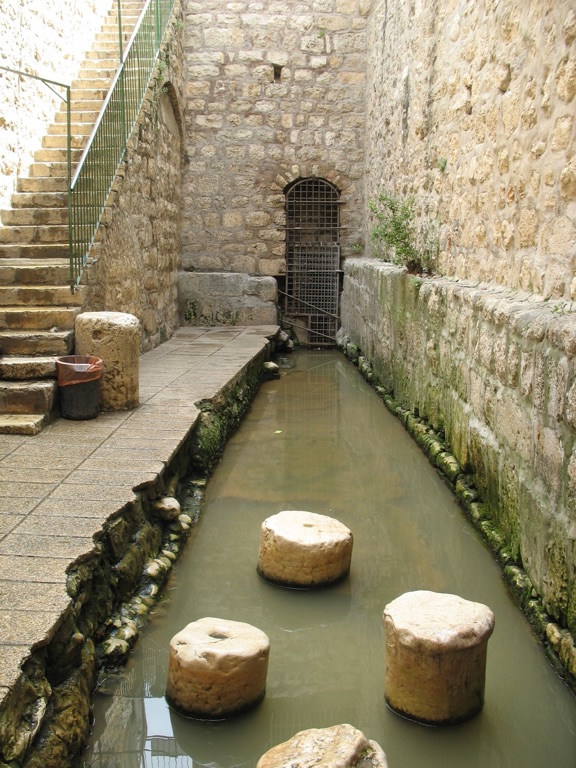
The Pool of Siloam
The Pool of Siloam is a significant archaeological site located in Jerusalem. It is famed for its biblical associations, particularly in the New Testament, where Jesus healed a man born blind. Archaeologists uncovered the pool, revealing its complex history and importance in ancient Judean society. It served not only as a ritual bathing site but also as a vital water resource. The pool’s discovery has provided valuable insights into the engineering prowess of ancient civilizations and the religious practices of the time.