
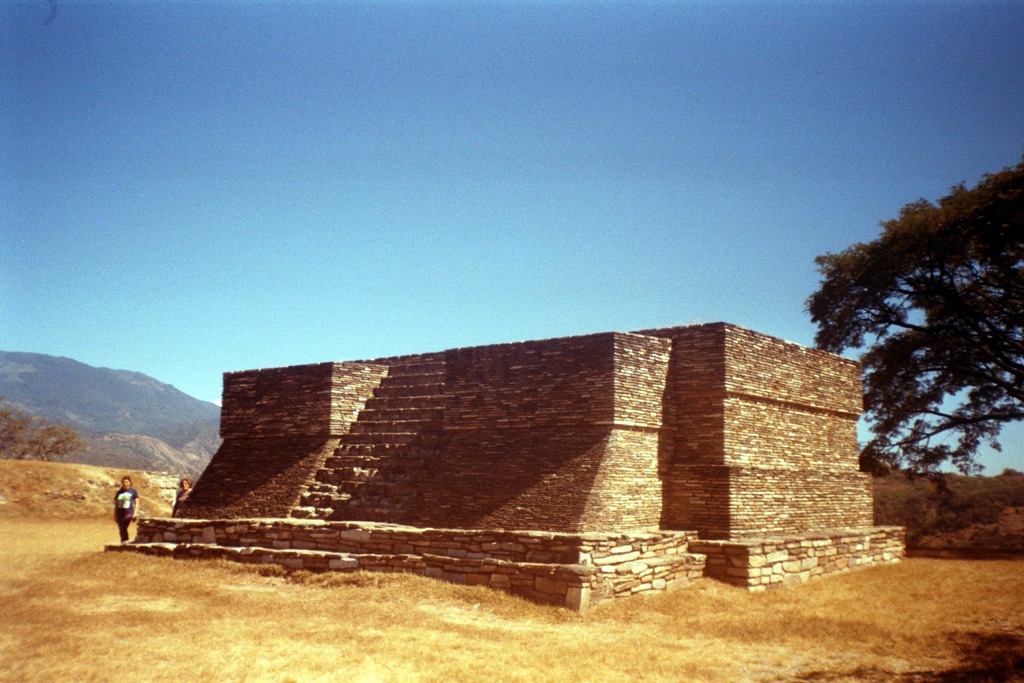
Mixco Viejo, also known as Jilotepeque Viejo, is a pre-Columbian archaeological site in the highlands of Guatemala. It was the capital of the Poqomam Maya kingdom, and its ruins offer a glimpse into the complex social and political structures of the Maya civilization. The site features a series of plazas, temples, palaces, and ball courts, showcasing the architectural prowess of its builders. Mixco Viejo played a significant role in the region’s history before its eventual conquest by the Spanish in the early 16th century.
Neural Pathways
Neural Pathways is a collective of seasoned experts and researchers with a profound passion for unraveling the enigmas of ancient history and artifacts. With a wealth of combined experience spanning decades, Neural Pathways has established itself as a leading voice in the realm of archaeological exploration and interpretation.
Our team of researchers and scholars provide unparalleled depth of knowledge in deciphering the intricate narratives embedded within ancient artifacts and deciphering the cultural nuances that shaped civilizations of the past. Through meticulous research, rigorous analysis, and a collaborative spirit, Neural Pathways has made and continues to make significant contributions to our understanding of the human past.
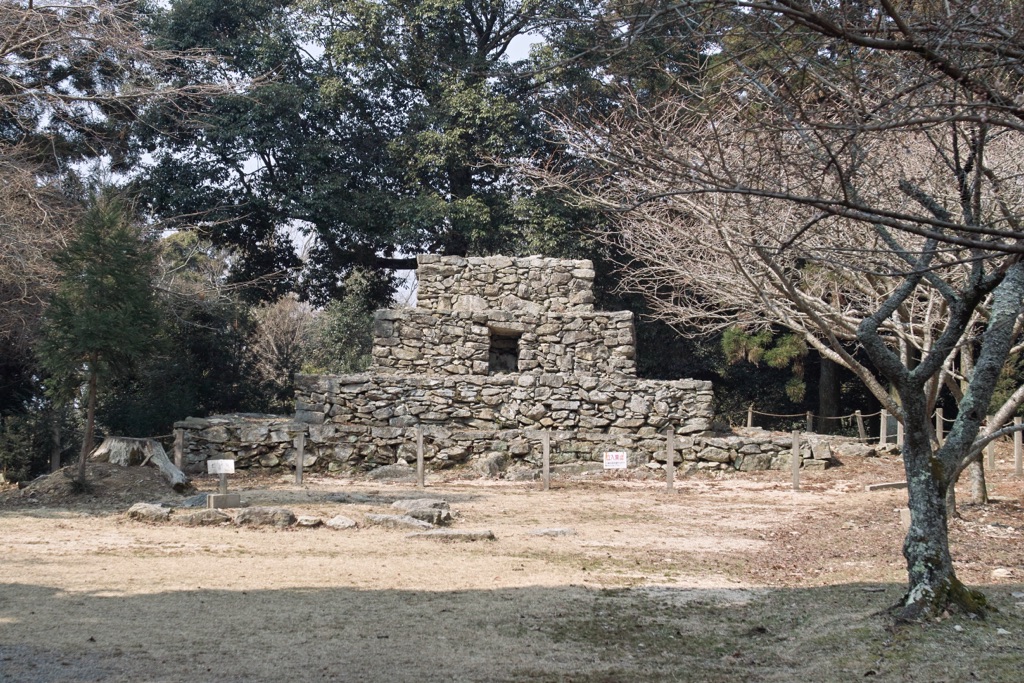
Kumayama ruins
The Kumayama ruins are a historical site located in Japan, known for their archaeological significance. These ruins are remnants of an ancient structure, believed to be a burial mound or tomb. The site has attracted the attention of historians and archaeologists who are keen to understand more about the people who built it and the era it represents. The Kumayama ruins offer a window into the past, providing insights into the cultural and historical context of the region.
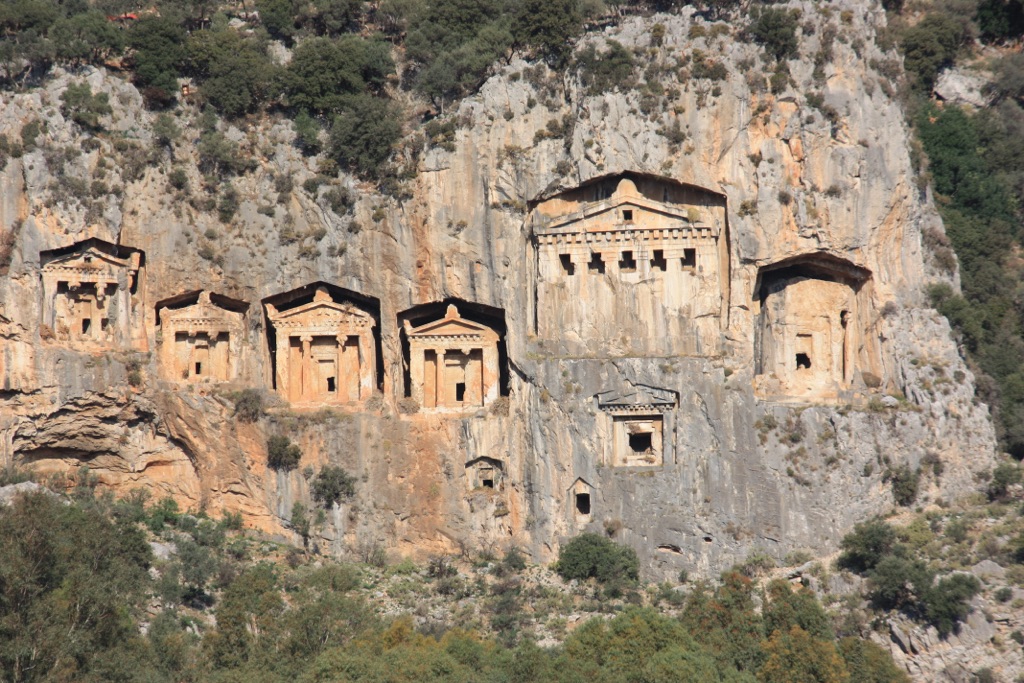
The Lycian Rock Tombs
The Lycian Tombs are an exquisite collection of ancient rock-cut tombs found in Lycia, a historical region in present-day southwestern Turkey. These tombs are renowned for their intricate facades carved directly into the rock faces, resembling the wooden houses and temples of Lycian antiquity. They date back to the 4th century BCE and reflect the complex funerary practices of the Lycians, who believed that a mythical winged creature would carry the dead to the afterlife. The most famous of these tombs is the Tomb of Amyntas, attributed to the Lycian ruler Amyntas, son of Hermapias.
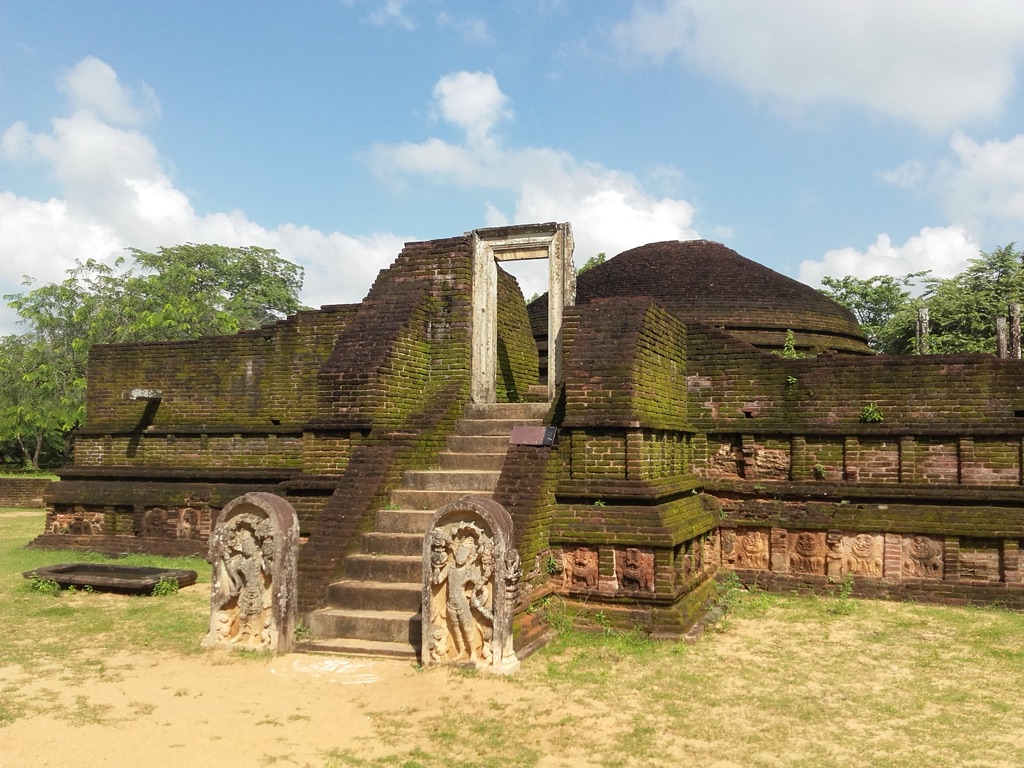
Ancient City of Polonnaruwa
The Ancient City of Polonnaruwa stands as a testament to Sri Lanka’s rich history. Once the thriving capital of the Polonnaruwa Kingdom, it now lies in majestic ruin. This UNESCO World Heritage site showcases the advanced urban planning, impressive architecture, and intricate artistry of a bygone era. Polonnaruwa succeeded Anuradhapura as the capital in the late 10th century and flourished during the reign of the great King Parakramabahu I. Its well-preserved ruins include palaces, temples, and stupas, offering a glimpse into the past glory of Sri Lankan civilization.
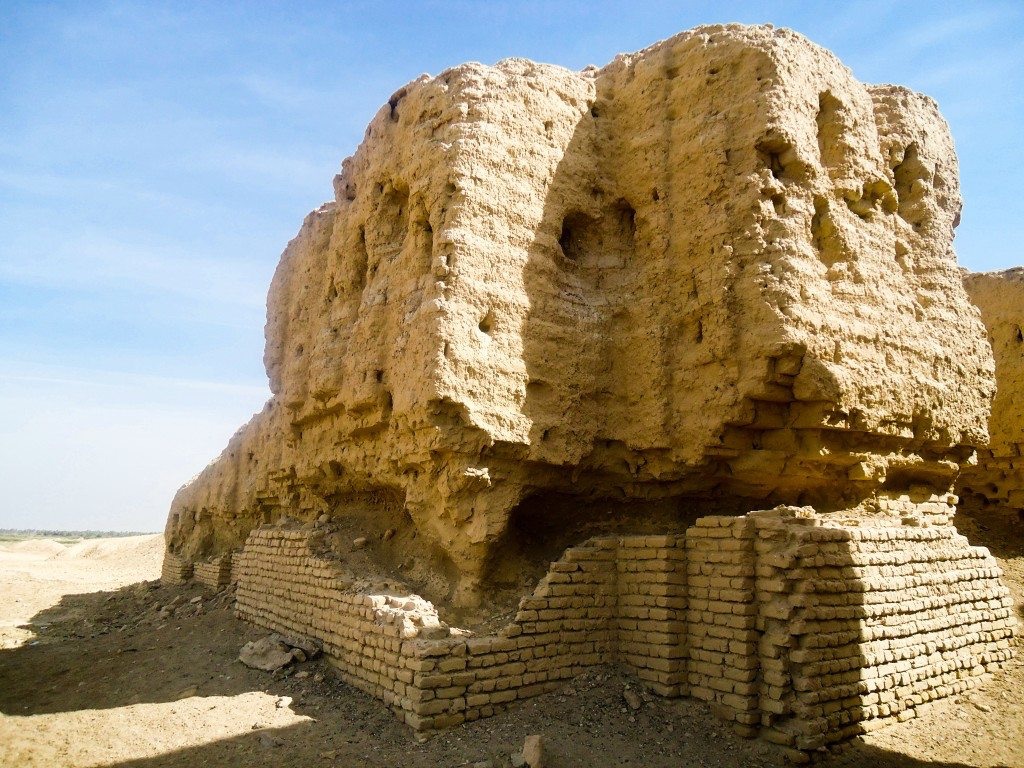
Ziggurat of Kish
The Ziggurat of Kish is an ancient structure located in the once prominent city of Kish, which is now part of modern-day Iraq. This towering edifice is a testament to the architectural ingenuity and religious devotion of the Sumerian civilization. Ziggurats were massive, terraced structures that served as the base for temples and were often dedicated to the main deity of a city. The Ziggurat of Kish, although not as well-preserved as some of its counterparts, like the famous Ziggurat of Ur, remains a significant archaeological site that provides insight into the early urban and religious practices of Mesopotamia.
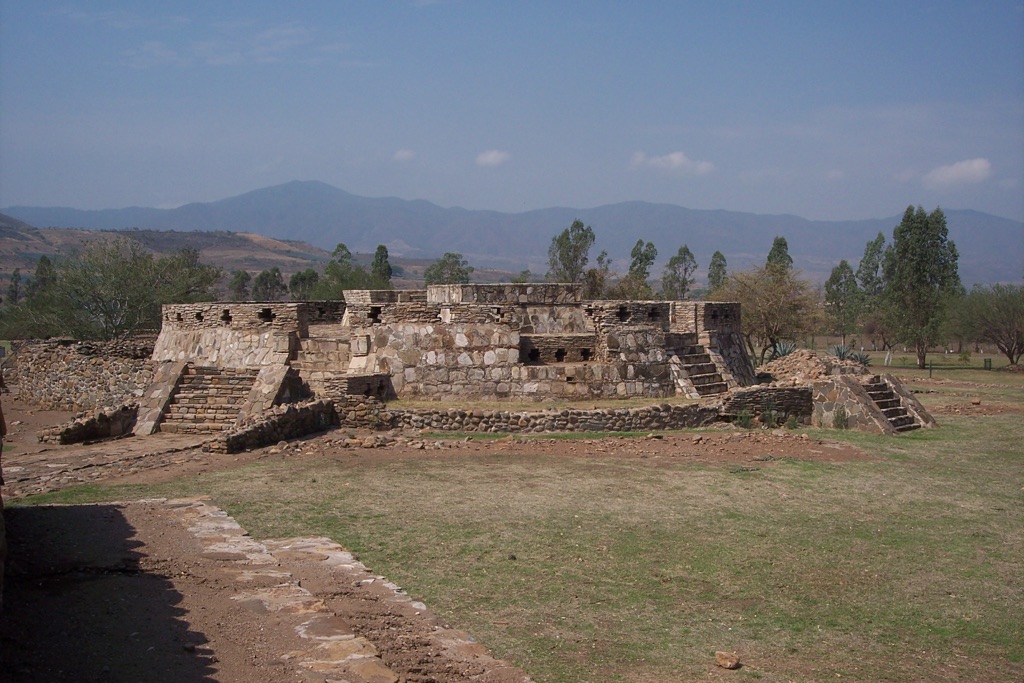
Ixtlán del Rio
Ixtlán del Rio is a significant archaeological site located in the state of Nayarit, Mexico. Known for its impressive array of stone sculptures and complex architecture, it offers a glimpse into the ancient cultures of West Mexico. The site features a variety of structures, including pyramids, plazas, and ball courts, indicative of a sophisticated society with advanced knowledge of urban planning and ceremonial practices. The artifacts and ruins found at Ixtlán del Rio provide valuable insights into the social, political, and religious life of the people who once thrived in this region.