
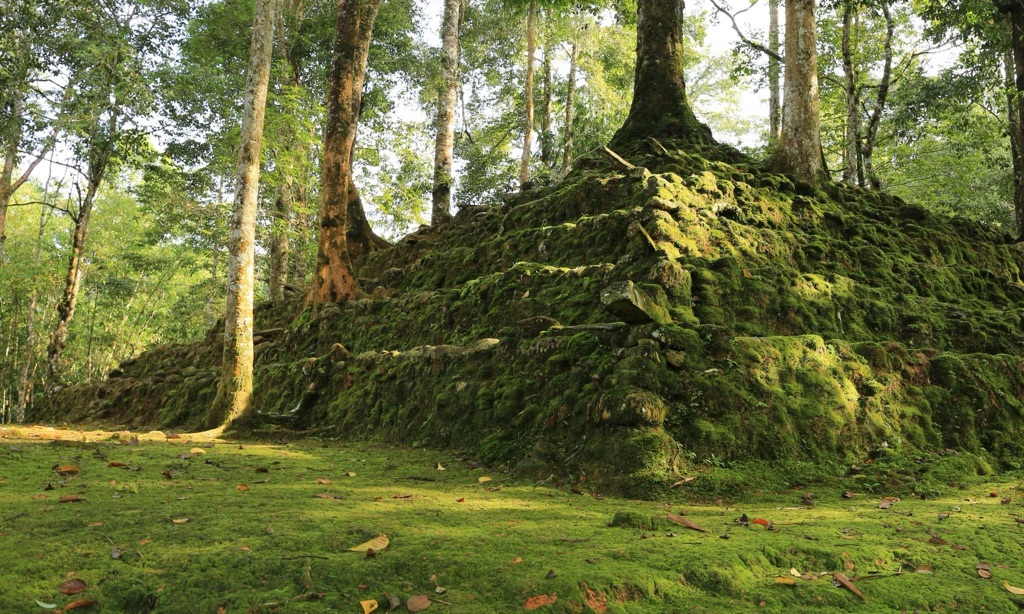
The Lebak Cibedug Pyramid, located in Indonesia, is a mysterious and relatively unknown megalithic site. It has sparked interest and debate among archaeologists and enthusiasts alike. The site consists of a series of terraces carved into a hill, resembling a step pyramid. Its origins and purpose remain a subject of speculation, as it does not fit neatly into the known history of the region.
Neural Pathways
Neural Pathways is a collective of seasoned experts and researchers with a profound passion for unraveling the enigmas of ancient history and artifacts. With a wealth of combined experience spanning decades, Neural Pathways has established itself as a leading voice in the realm of archaeological exploration and interpretation.
Our team of researchers and scholars provide unparalleled depth of knowledge in deciphering the intricate narratives embedded within ancient artifacts and deciphering the cultural nuances that shaped civilizations of the past. Through meticulous research, rigorous analysis, and a collaborative spirit, Neural Pathways has made and continues to make significant contributions to our understanding of the human past.
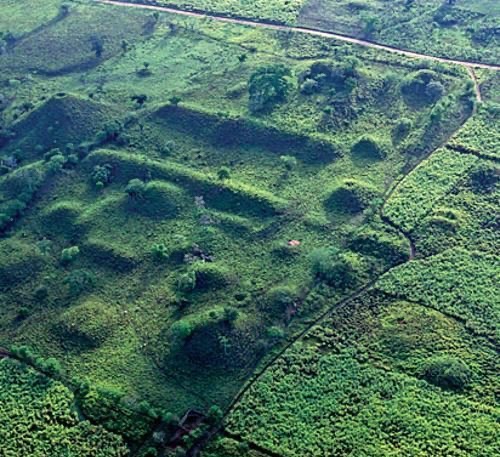
Laguna de los Cerros
Laguna de los Cerros is a significant archaeological site located in the state of Veracruz, Mexico. It played a crucial role in the development of the Mesoamerican civilizations. The site is known for its monumental architecture, including pyramids and platforms, which suggest it was an important center of power and culture. The artifacts found at Laguna de los Cerros provide valuable insights into the lives of the ancient Mesoamerican people and their interactions with neighboring cultures.
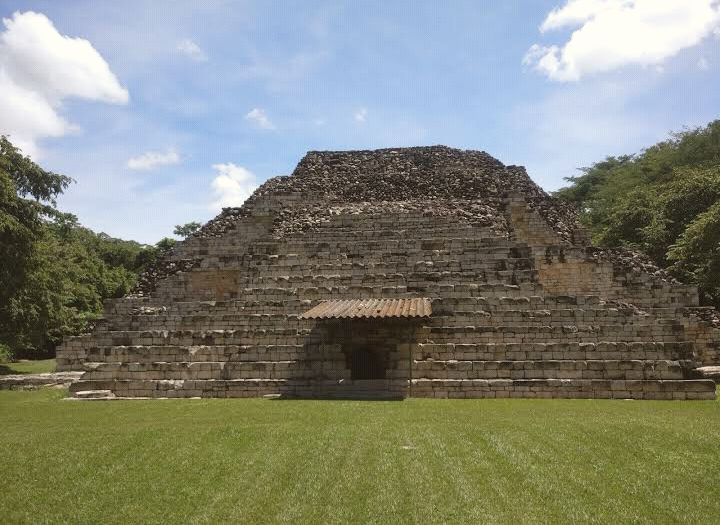
El Puente
El Puente, nestled in the lush valleys of Honduras, is a testament to the ingenuity of the ancient Maya civilization. This archaeological site, part of the larger Copán complex, offers a glimpse into a sophisticated culture that thrived in Central America long before European contact. El Puente served as a vital hub, connecting various Maya settlements and facilitating trade, politics, and cultural exchange. Today, it stands as a significant historical and cultural landmark, drawing scholars and tourists alike to uncover its mysteries and marvel at its architectural prowess.
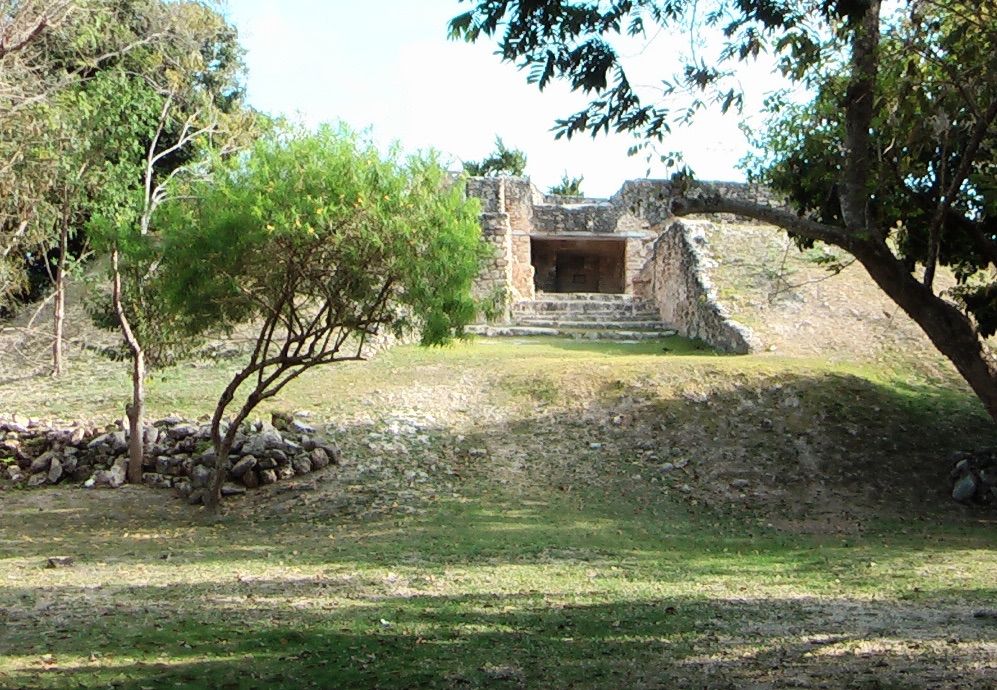
Santa Rita
Santa Rita is an ancient Maya city located in present-day Belize, near the modern town of Corozal. It thrived during the Classic period of Maya civilization and continued to be occupied even after the arrival of the Spanish in the 16th century. The site is known for its strategic location, which facilitated trade and cultural exchange between the Maya and other Mesoamerican cultures. Santa Rita is particularly famous for its evidence of early Postclassic period occupation and the blending of Maya and non-Maya cultural elements.
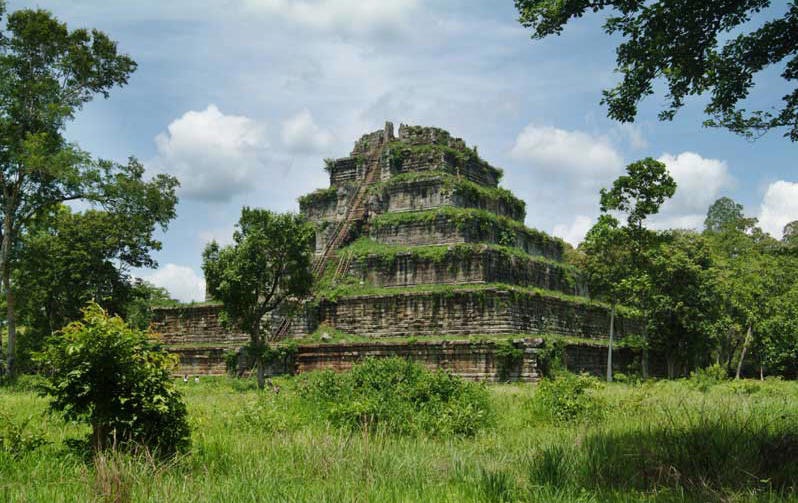
Koh Ker Pyramid
The Koh Ker Pyramid, also known as Prasat Thom, is a remarkable ancient structure located in northern Cambodia. It stands as a testament to the architectural prowess of the Khmer Empire. Built in the 10th century under the reign of King Jayavarman IV, this pyramid was part of the once-majestic city of Koh Ker, which briefly served as the capital of the empire. The site is notable for its towering temple-mountain, which was a significant departure from the flat temple complexes that characterized earlier Khmer architecture. The pyramid remains an enigmatic piece of history, attracting scholars and tourists alike with its unique design and mysterious past.
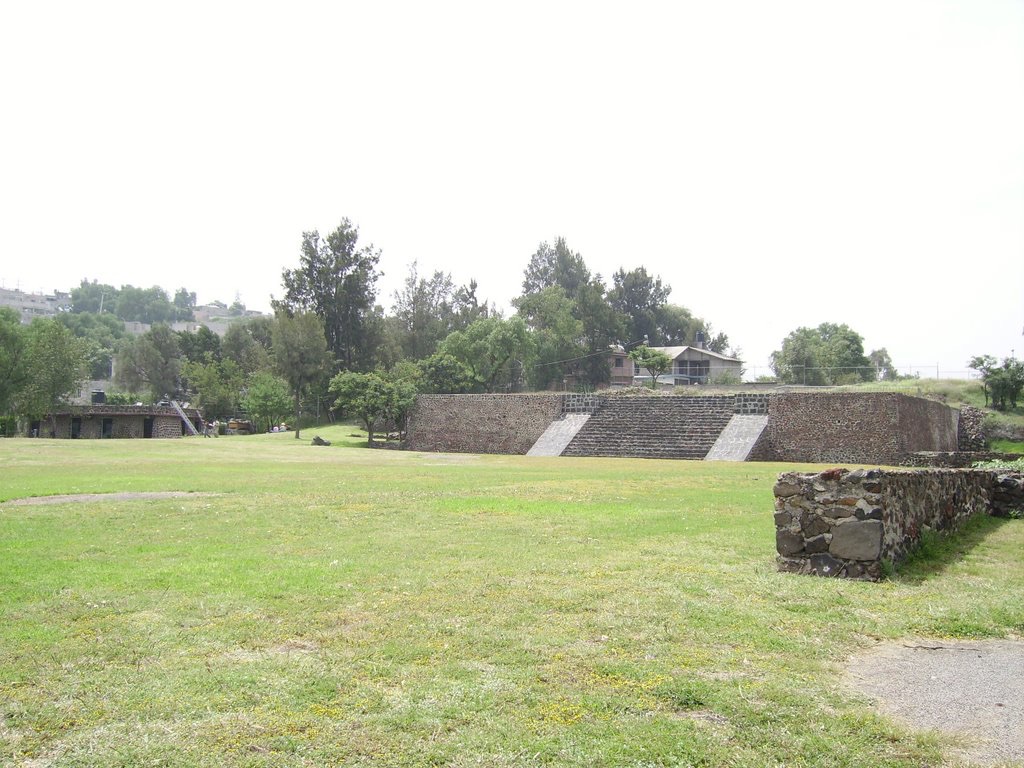
Chimalhuacán
Chimalhuacán is a city steeped in history, located in the State of Mexico. It boasts a rich pre-Columbian heritage, having been an important part of the ancient Mesoamerican civilization. The city’s name, derived from Nahuatl, means “place of those who have shields,” reflecting its storied past. Chimalhuacán has seen various cultural influences over the centuries, including the Toltecs and later the Aztecs. Today, it is not only a historical site but also a bustling urban area, blending the ancient with the modern.