
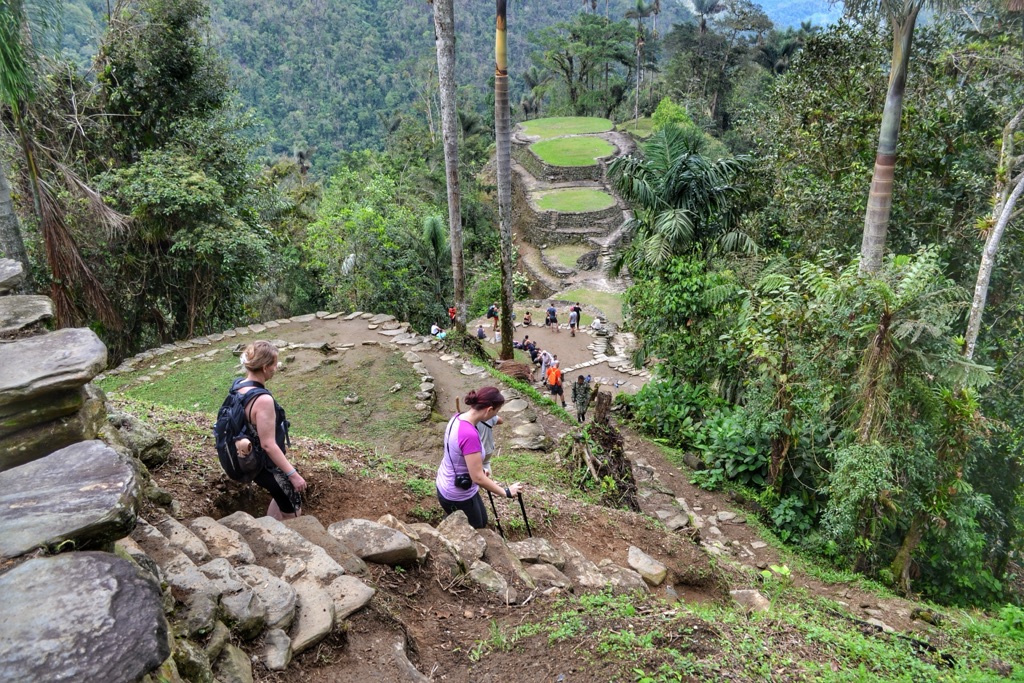
Ciudad Perdida, which translates to “Lost City,” is an ancient archaeological site located in the Sierra Nevada de Santa Marta mountains in Colombia. Believed to have been founded around 800 AD, it predates the famous Machu Picchu by several centuries. The city was rediscovered in 1972 when a group of local treasure looters found a series of stone steps rising up the mountainside. They named the city “Green Hell” or “Wide Set.” It was later known as Ciudad Perdida after the Colombian government took over the site. The city was built by the Tairona people and was a major hub of their civilization. It consists of over 169 terraces carved into the mountainside, a network of tiled roads, and several small circular plazas. The site was abandoned during the Spanish conquest, and it remained hidden for centuries.
Neural Pathways
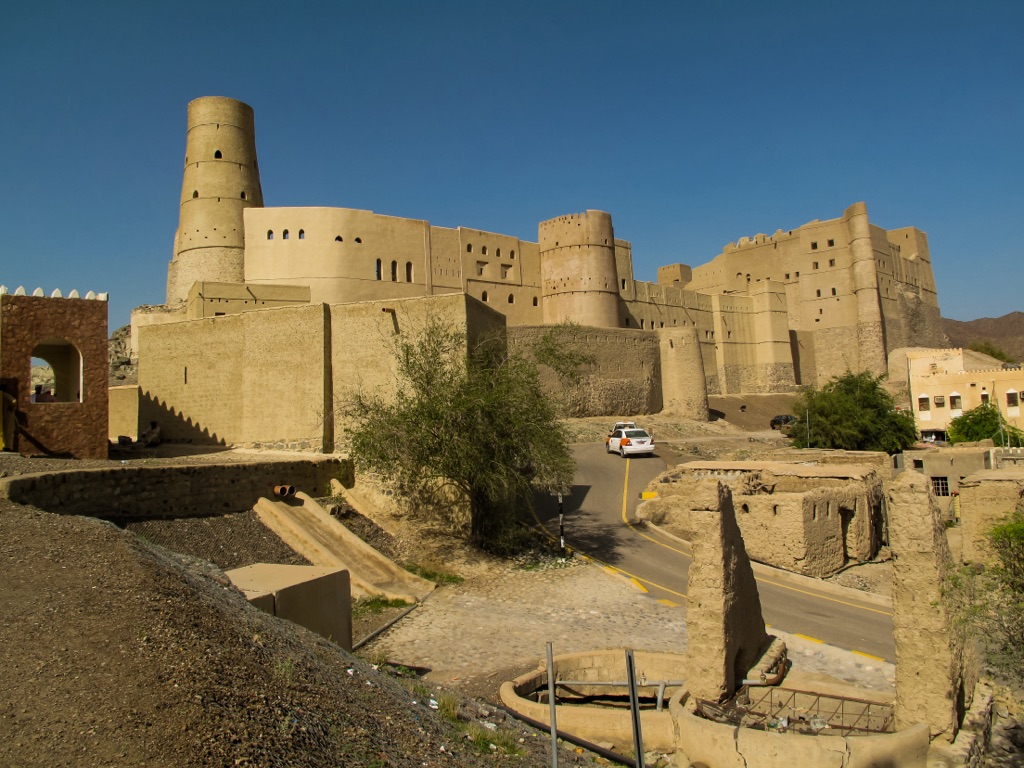
Bahla Fort
Nestled in the oasis of the Dhakhiliyah region of Oman, Bahla Fort stands as a testament to the ingenuity of medieval Islamic architecture. This historic fortification, surrounded by a 12-kilometer wall, has been a UNESCO World Heritage site since 1987. It is one of the oldest and largest forts in Oman, with its origins dating back to the 13th century. Bahla Fort is a symbol of the Omani people’s heritage and their traditional skills in masonry and mud-brick construction.
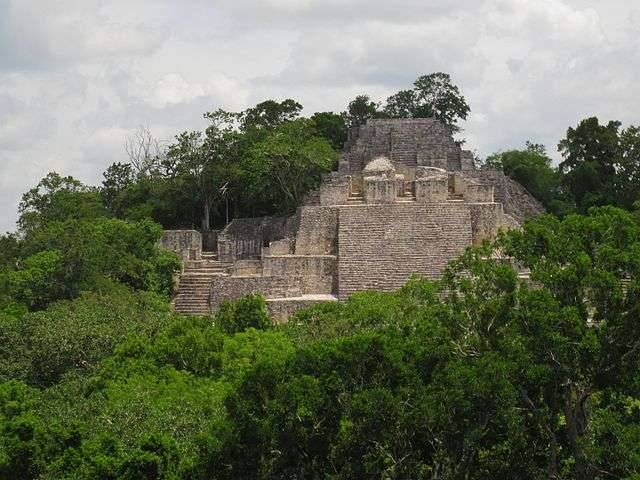
Calakmul
Calakmul, located in the Mexican state of Campeche, is a significant archaeological site that was once one of the most powerful ancient Maya cities. It is known for its impressive pyramids, extensive urban sprawl, and rich history. The city played a crucial role in the political dynamics of the Maya region, often clashing with another major city, Tikal. Calakmul’s ruins, hidden within the dense forests of the Petén Basin, offer a glimpse into the life, culture, and politics of the ancient Maya civilization.
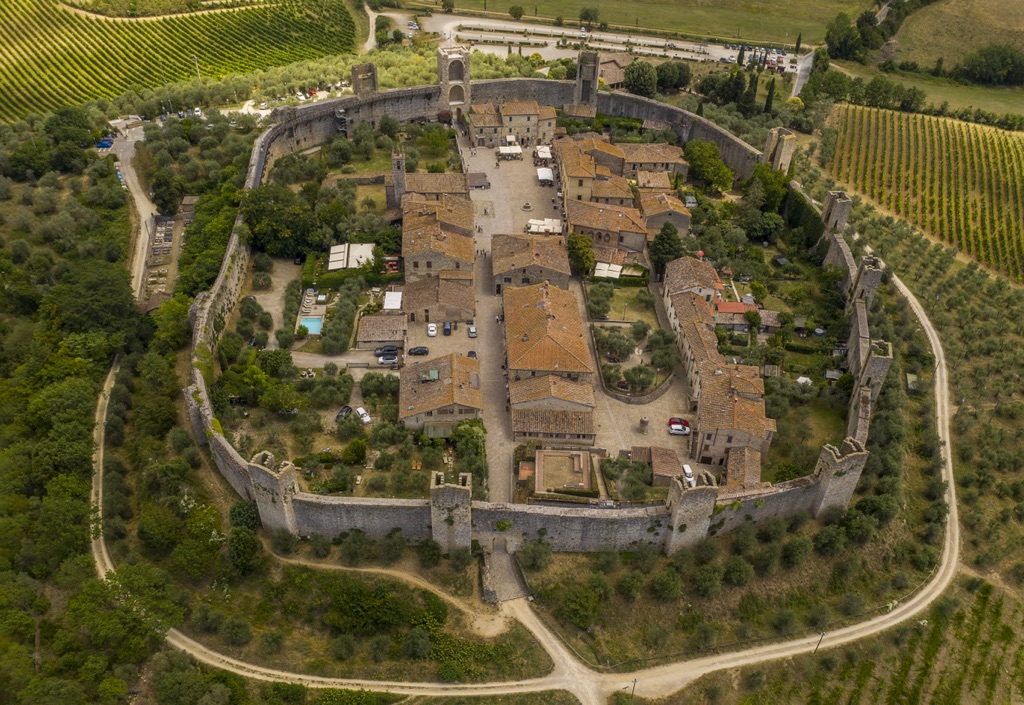
Monteriggioni
Monteriggioni stands as a striking example of medieval military architecture, nestled in the rolling hills of Tuscany, Italy. This well-preserved medieval walled town was built by the Sienese in the early 13th century as a defensive fortification against rival Florence. Its circular perimeter wall and fourteen towers have dominated the landscape for centuries, serving as a testament to the ingenuity and strategic prowess of its creators. Monteriggioni’s historical significance is further enriched by its mention in Dante Alighieri’s ‘Divine Comedy’, where it serves as a metaphor for the giant Titans around the infernal abyss.
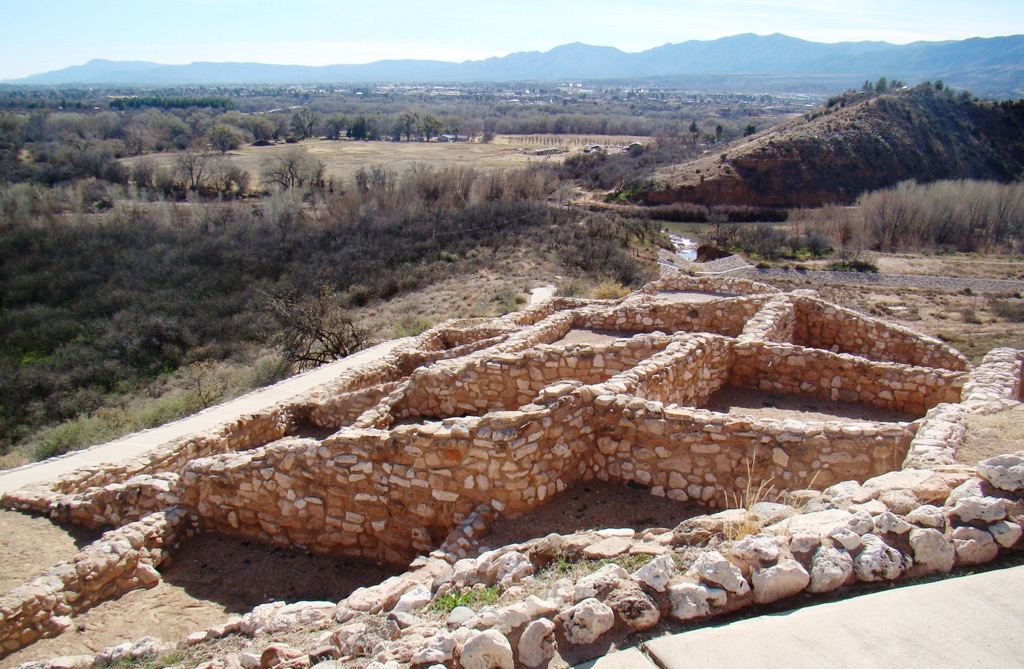
Tuzigoot National Monument
Tuzigoot National Monument preserves a 2- to 3-story pueblo ruin on the summit of a limestone and sandstone ridge just east of Clarkdale, Arizona, 120 feet above the Verde River floodplain. The site offers a glimpse into the lives of the Sinagua people who inhabited the Verde Valley over a thousand years ago. The monument showcases the remnants of one of the largest and best-preserved of the many Sinagua villages that dotted the landscape during the 12th to 14th centuries.
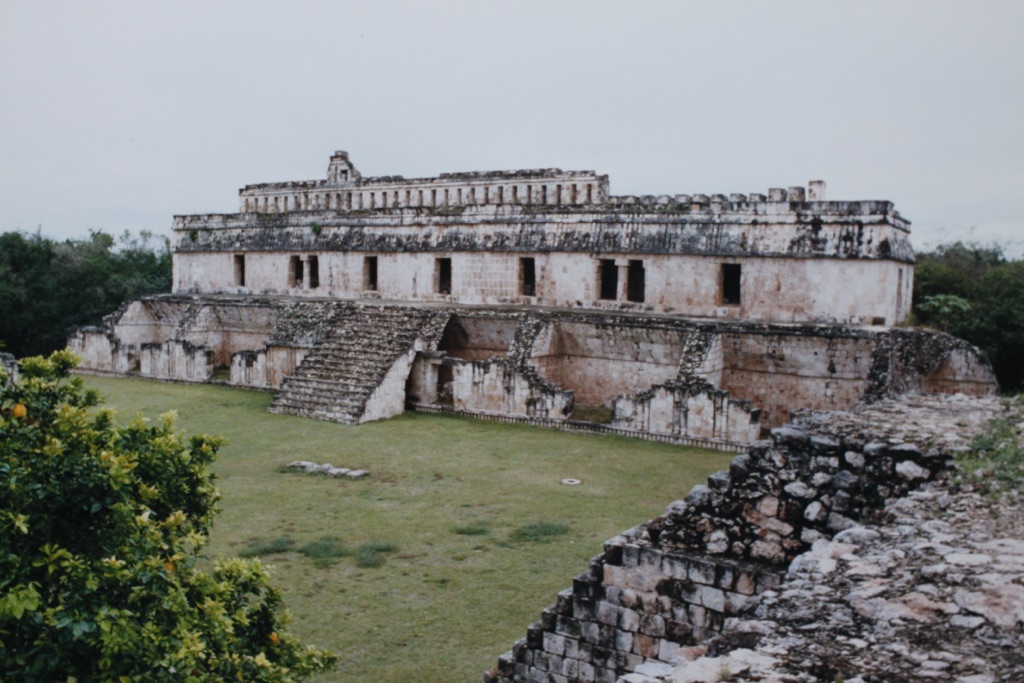
Kabah
Kabah, known for its exquisite architecture, is a significant archaeological site located in the Puuc region of the Yucatán Peninsula in Mexico. It flourished as a center of Mayan civilization and is renowned for its elaborate ceremonial structures. Kabah is part of a string of Puuc cities, which also includes Uxmal, Sayil, and Labná. It…