
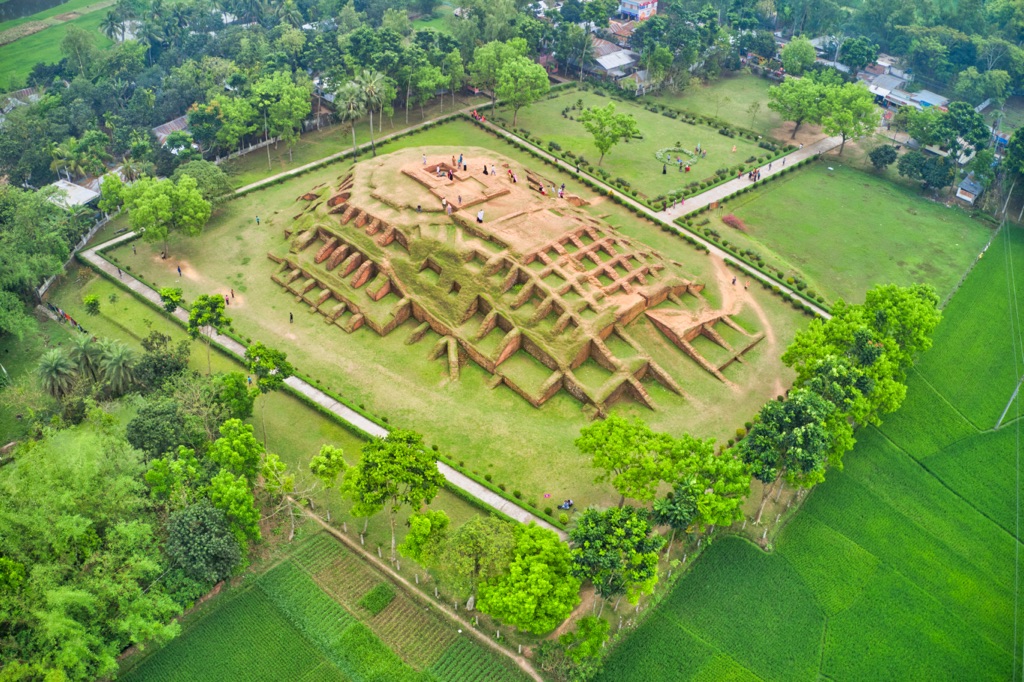
Gokul Medh, also known as Lokma Rajar Dhibi, is a historical site located in Bangladesh. It is an ancient archaeological site that bears the remnants of past civilizations. The site is particularly significant for its Buddhist vihara, which dates back to between the 6th and 12th centuries AD. The mound on which Gokul Medh stands is a testament to the architectural prowess of ancient builders and the rich cultural heritage of the region.
Neural Pathways
Neural Pathways is a collective of seasoned experts and researchers with a profound passion for unraveling the enigmas of ancient history and artifacts. With a wealth of combined experience spanning decades, Neural Pathways has established itself as a leading voice in the realm of archaeological exploration and interpretation.
Our team of researchers and scholars provide unparalleled depth of knowledge in deciphering the intricate narratives embedded within ancient artifacts and deciphering the cultural nuances that shaped civilizations of the past. Through meticulous research, rigorous analysis, and a collaborative spirit, Neural Pathways has made and continues to make significant contributions to our understanding of the human past.
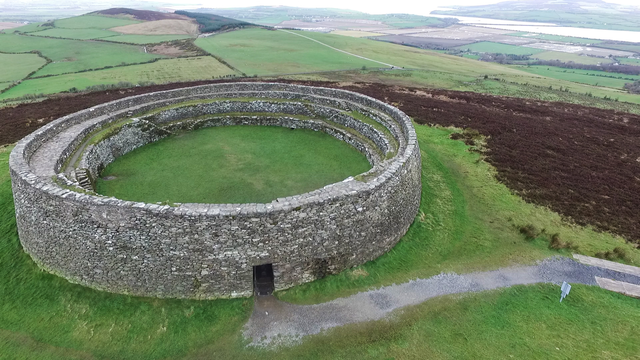
Grianan of Aileach
The Grianan of Aileach is an ancient hillfort that stands atop the Greenan Mountain on the Inishowen Peninsula in County Donegal, Ireland. This stone fortress, with its origins shrouded in both history and legend, dates back to the early medieval period. It is believed to have been a seat of power for the Kingdom of Aileach, which ruled over parts of Ulster and beyond. The site offers panoramic views of the surrounding countryside, including Lough Foyle and Lough Swilly, making it a strategic location for both defense and control. Over the centuries, the Grianan of Aileach has captured the imagination of visitors with its impressive dry-stone construction and its evocative presence in Irish lore.

Somapura Mahavihara
Somapura Mahavihara, also known as the Great Monastery, is a historic Buddhist vihara (monastic complex) located in Paharpur, in the northwest of Bangladesh. It is one of the most important archaeological sites in the country. Built in the 8th century by the second king of the Pala Empire, Dharmapala, it flourished as a renowned intellectual and spiritual center until the 12th century. The site exemplifies the grandeur of Buddhist monastic architecture, with its intricate terracotta plaques, sculptures, and a distinctive cruciform floor plan. Recognized by UNESCO as a World Heritage Site, Somapura Mahavihara stands as a testament to the Pala dynasty’s patronage of Buddhism and its cultural achievements.
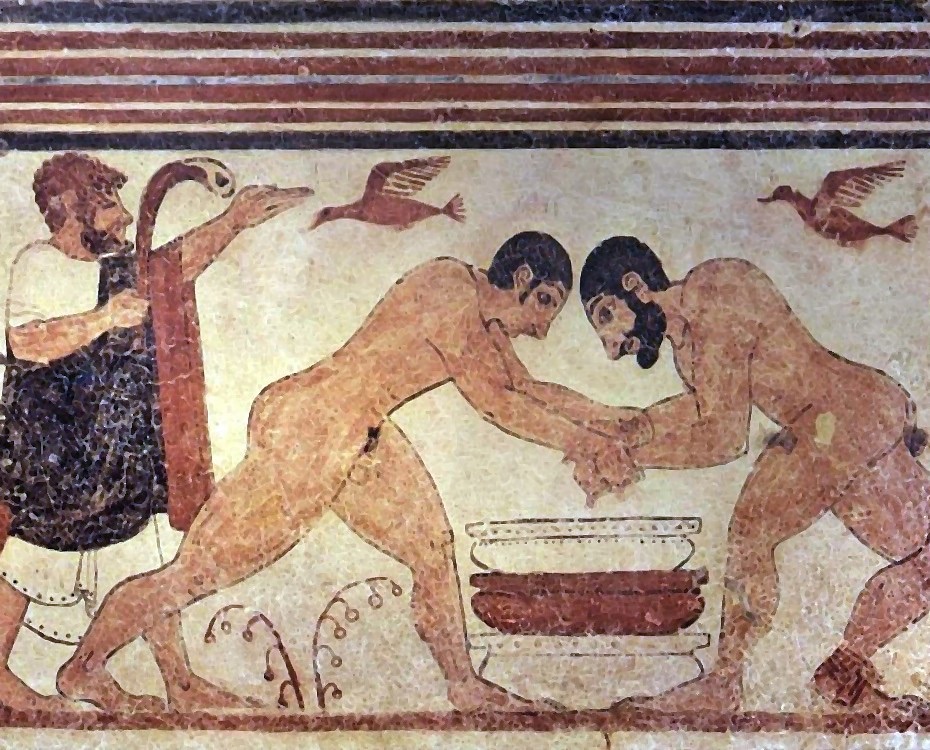
Tomb of the Augurs
The Tomb of the Augurs is an ancient Etruscan burial site, renowned for its intricate wall paintings. These frescoes provide a glimpse into the Etruscan culture and their beliefs about the afterlife. The tomb, located in Tarquinia, Italy, is one of many in the Necropolis of Monterozzi, a UNESCO World Heritage site. It dates back to the 6th century BC and showcases the artistic and architectural prowess of the Etruscans. The tomb’s name derives from the depiction of an augur, a priest and official in ancient Rome, within the frescoes, which suggests the importance of religious and ceremonial practices in Etruscan society.

Ahu Huri a Urenga
Ahu Huri a Urenga is a significant archaeological site on Easter Island, known for its solitary moai statue. This site stands out due to its unique features and alignment with the winter solstice. It provides valuable insights into the Rapa Nui civilization and their astronomical knowledge. The moai’s distinct characteristics and the ahu’s construction reflect the island’s rich cultural heritage.
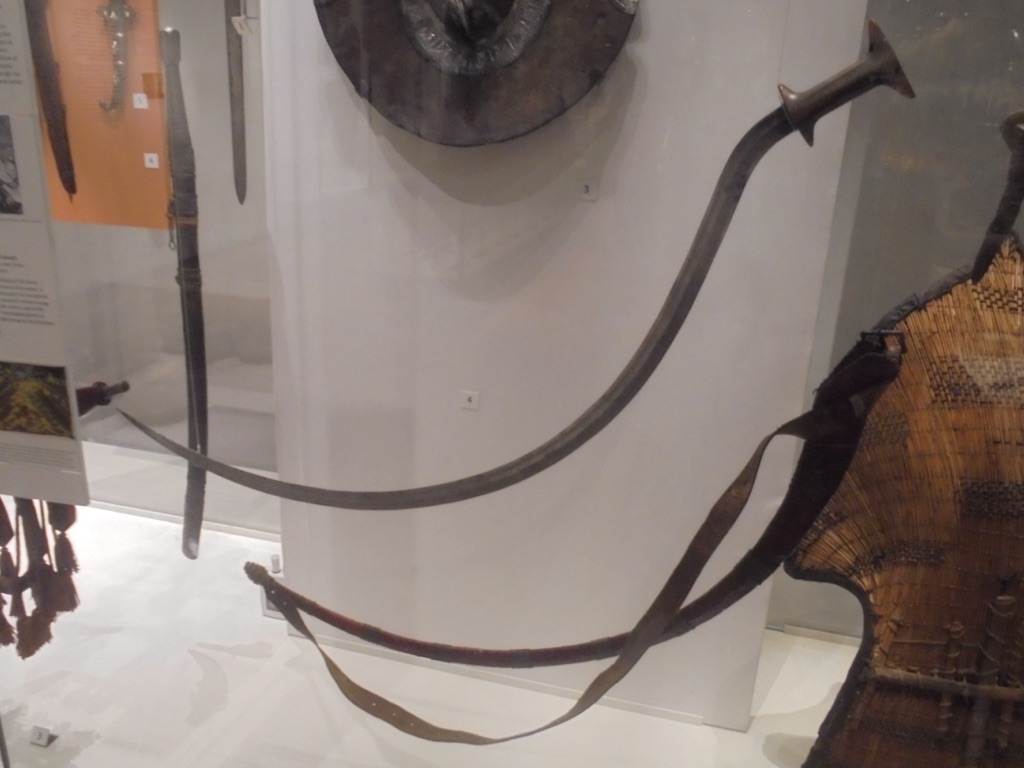
Shotel Sword
The Shotel Sword is a curved blade originating from Ethiopia. It is known for its unique, sickle-like shape that curves almost into a full circle. This design allowed the wielder to reach around an opponent’s shield and stab or slash them from the side. The Shotel was a symbol of status and bravery, often associated with the Ethiopian warriors and nobility. Its use dates back to at least the 1st millennium AD and was a prominent weapon in the Horn of Africa for centuries.