
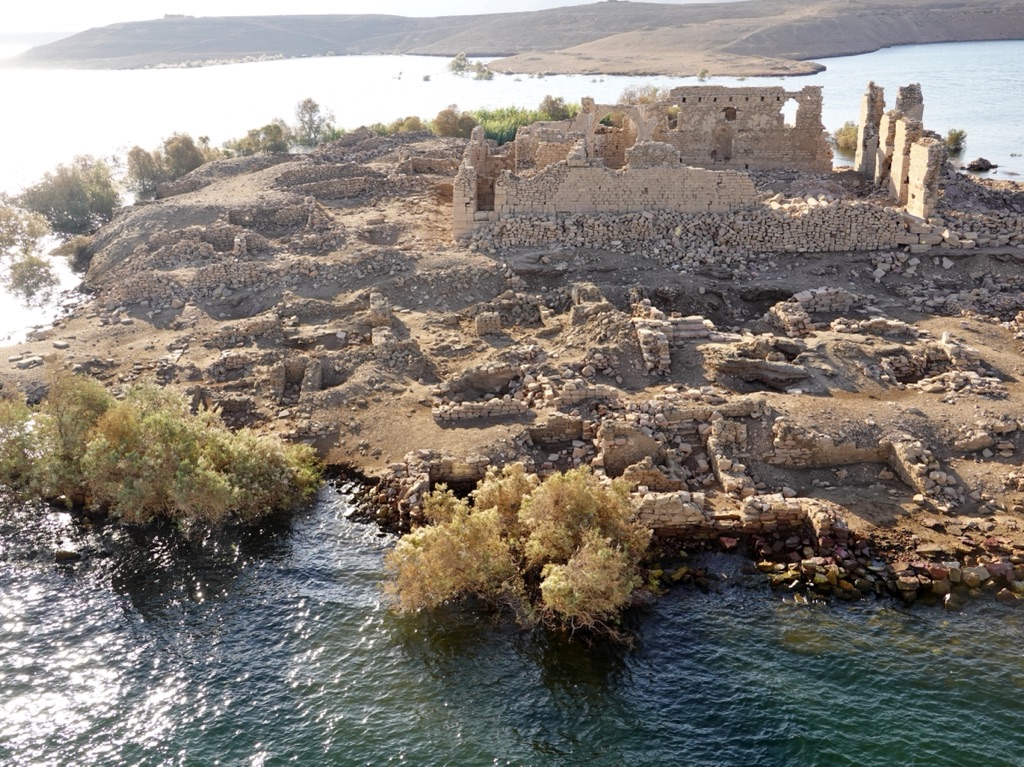
Perched on a cliff above the Nile, Qasr Ibrim stands as a silent sentinel to the history of Nubia. This ancient site, once a major city of the Meroitic kingdom, later became a strategic Roman stronghold and an important Christian center. Over time, it evolved into an Islamic outpost. Its layers of occupation offer a rich tapestry of cultural history, preserved in the arid climate of southern Egypt. Archaeologists have unearthed texts, frescoes, and artifacts that provide a window into the lives of its past inhabitants. Qasr Ibrim’s significance is not only in its continuous occupation but also in the stories of cultural exchange and conflict it tells.
Neural Pathways
Neural Pathways is a collective of seasoned experts and researchers with a profound passion for unraveling the enigmas of ancient history and artifacts. With a wealth of combined experience spanning decades, Neural Pathways has established itself as a leading voice in the realm of archaeological exploration and interpretation.
Our team of researchers and scholars provide unparalleled depth of knowledge in deciphering the intricate narratives embedded within ancient artifacts and deciphering the cultural nuances that shaped civilizations of the past. Through meticulous research, rigorous analysis, and a collaborative spirit, Neural Pathways has made and continues to make significant contributions to our understanding of the human past.
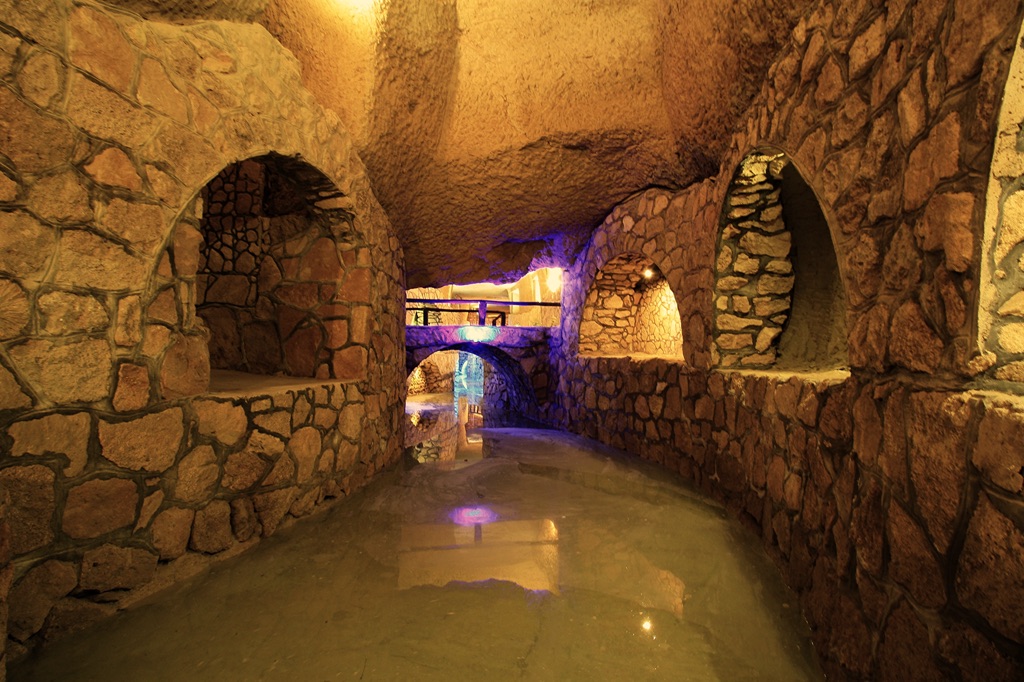
Kariz Underground City
The Kariz Underground City, also known as Kish Hydropolis, is a subterranean city located on Kish Island in Iran. It’s an ancient aqueduct system, also known as a ‘qanat’, which was transformed into an underground city. This remarkable site, which dates back over 2,500 years, showcases the ingenuity of ancient engineering. It was initially designed to collect, purify, and store water for the inhabitants of the island. Over time, it has been repurposed for various uses, including as a trading and storage center. The city’s labyrinthine tunnels stretch for several kilometers, offering a glimpse into the past civilizations that once thrived in this region.
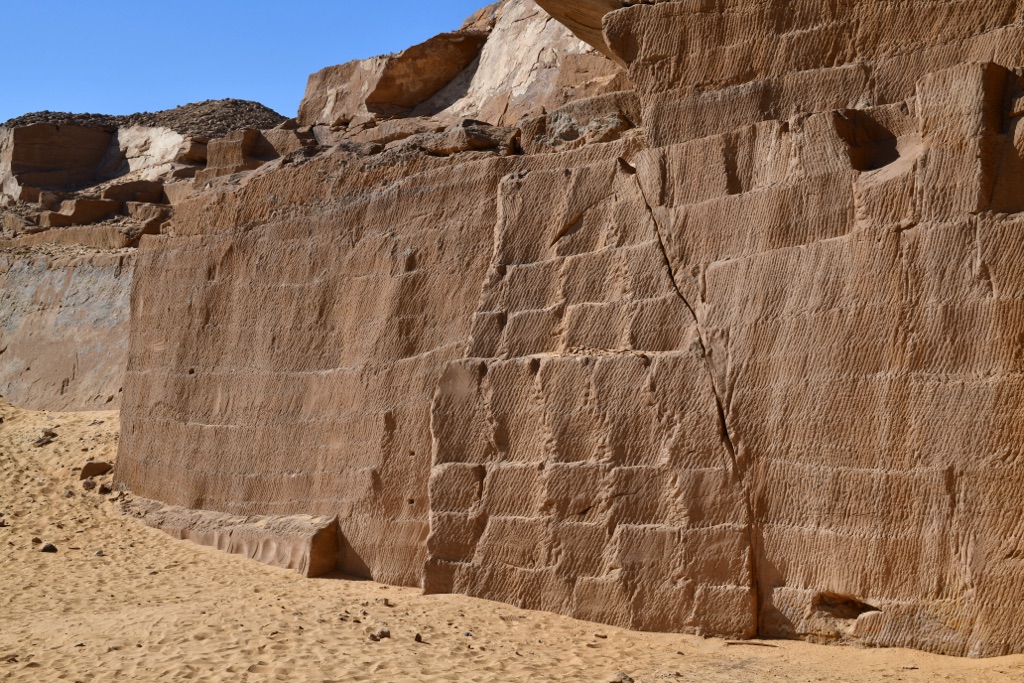
Gebel el-Silsila
Gebel el-Silsila, also known as the Chain of Mountains, is a notable archaeological site in Egypt. It’s famous for its impressive sandstone quarries and rich historical significance. The site served as a major quarrying area for the ancient Egyptians, providing materials for many of their monumental constructions. It also features a series of rock-cut temples, stelae, and shrines that date back to the New Kingdom period. The site offers a unique glimpse into the lives and religious practices of the workers and officials who lived there during ancient times.
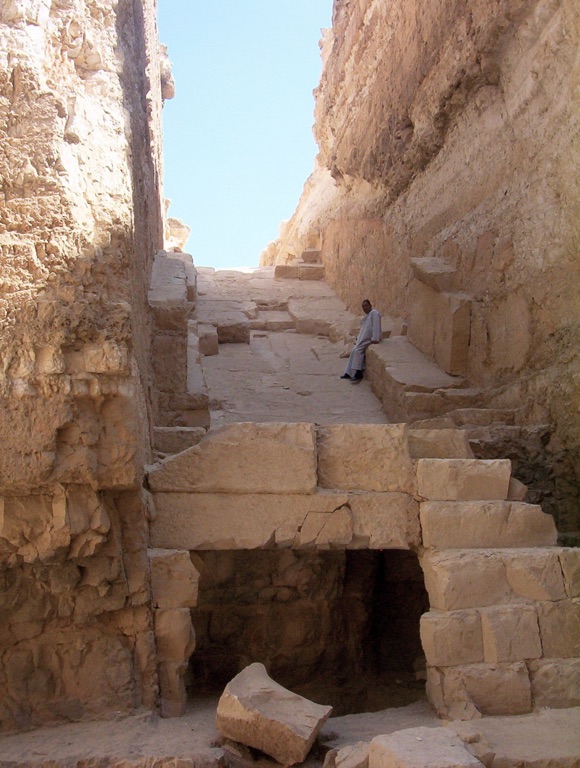
Abu Rawash
Abu Rawash is the site of Egypt’s northernmost pyramid, the mostly ruined Pyramid of Djedefre, the successor and son of Khufu. Although not as famous as the pyramids at Giza, it holds significant historical importance. The site offers insights into the development of Egyptian funerary architecture and the political shifts of the Old Kingdom. The pyramid complex, which includes the remains of a mortuary temple and a satellite pyramid, has been the subject of archaeological interest for over a century.
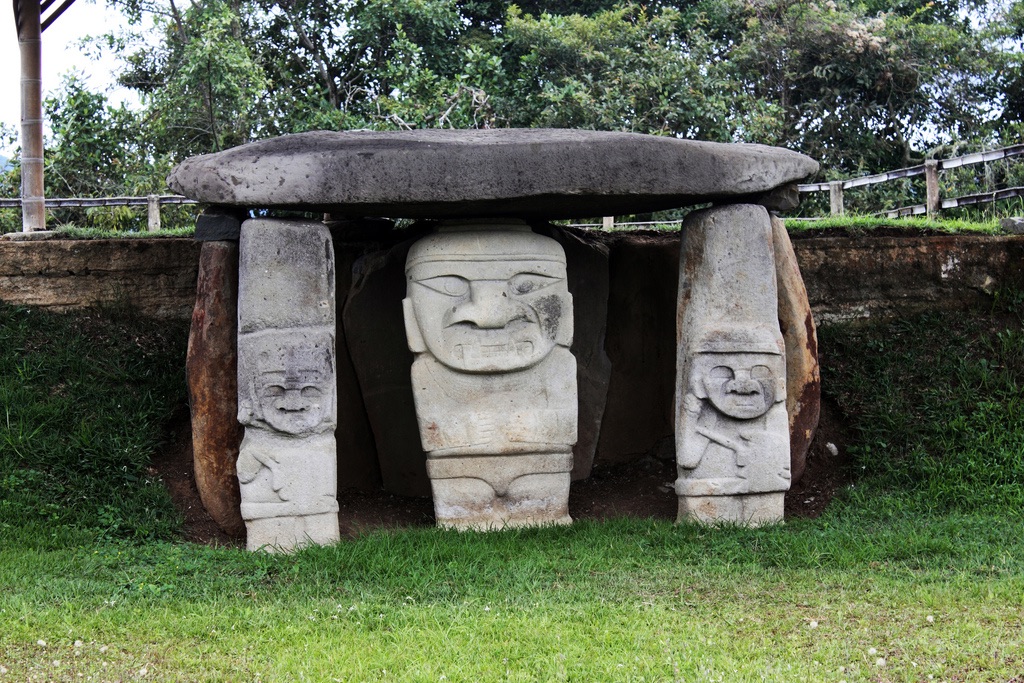
San Agustin archaeological park
Nestled in the Andean foothills of Colombia, the San Agustin Archaeological Park is a treasure trove of ancient mysteries. This UNESCO World Heritage site boasts the largest collection of religious monuments and megalithic sculptures in South America. These artifacts date back to the 1st to the 8th century AD, offering a glimpse into a pre-Columbian civilization that once thrived here. The park spans over 2,000 hectares and includes ceremonial centers, burial mounds, and over 500 monolithic statues, some towering over seven meters high. The intricate carvings and designs on these statues provide invaluable insights into the beliefs, rituals, and cosmology of the ancient San Agustín culture.
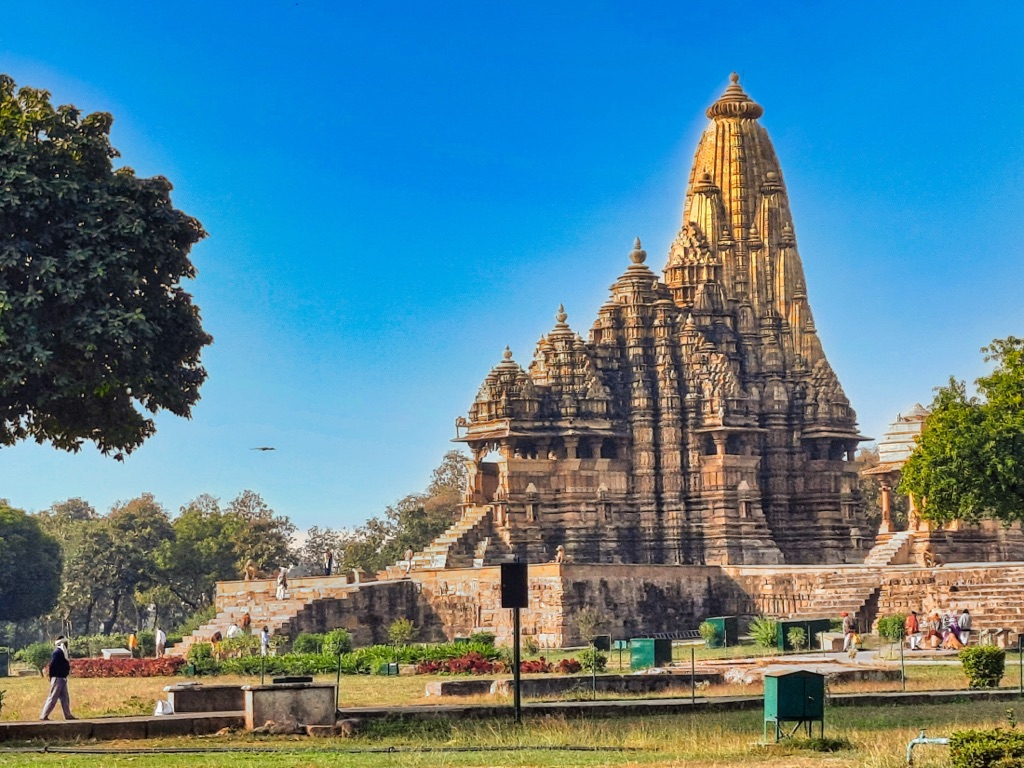
Kandariya Mahadeva Temple
The Kandariya Mahadeva Temple stands as a testament to the architectural and spiritual zenith of the Chandela dynasty. Located in Khajuraho, Madhya Pradesh, India, this temple is the largest and most ornate Hindu temple in the medieval temple group found at the site. Dedicated to Lord Shiva, it represents the pinnacle of North Indian temple architecture with its intricate carvings, soaring shikhara, and complex symbolism. The temple, dating back to the 11th century, is a UNESCO World Heritage Site and continues to draw admirers from around the world for its artistic magnificence and historical significance.