
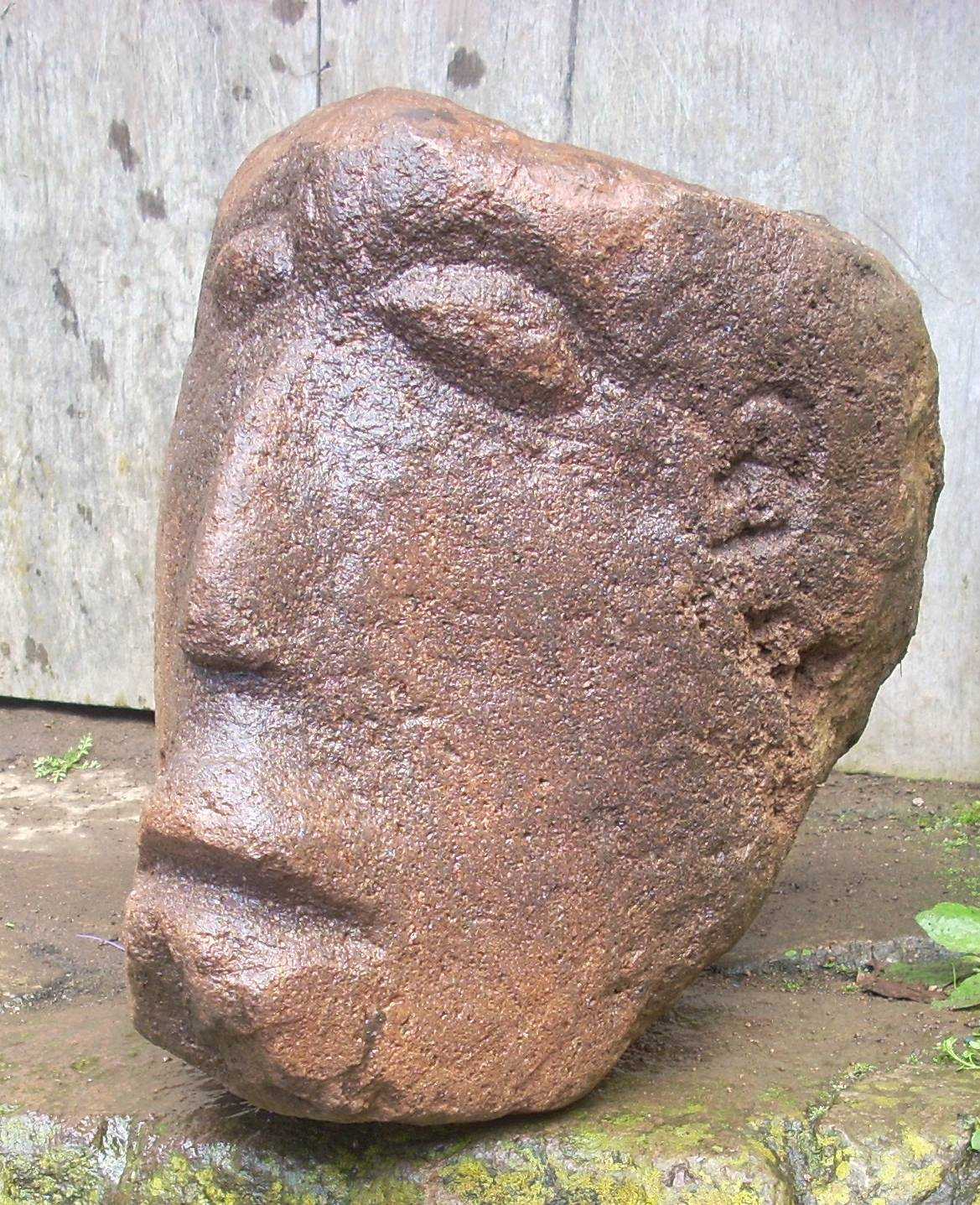
Chojolom is a lesser-known archaeological site located in Guatemala. It is part of the Maya civilization, which thrived in Central America. The site includes structures such as mounds and plazas that reflect the complex social and religious practices of the Maya people. Chojolom, though not as extensively studied as other Maya sites, offers valuable insights into the ancient culture’s urban development and architectural prowess.
Neural Pathways
Neural Pathways is a collective of seasoned experts and researchers with a profound passion for unraveling the enigmas of ancient history and artifacts. With a wealth of combined experience spanning decades, Neural Pathways has established itself as a leading voice in the realm of archaeological exploration and interpretation.
Our team of researchers and scholars provide unparalleled depth of knowledge in deciphering the intricate narratives embedded within ancient artifacts and deciphering the cultural nuances that shaped civilizations of the past. Through meticulous research, rigorous analysis, and a collaborative spirit, Neural Pathways has made and continues to make significant contributions to our understanding of the human past.
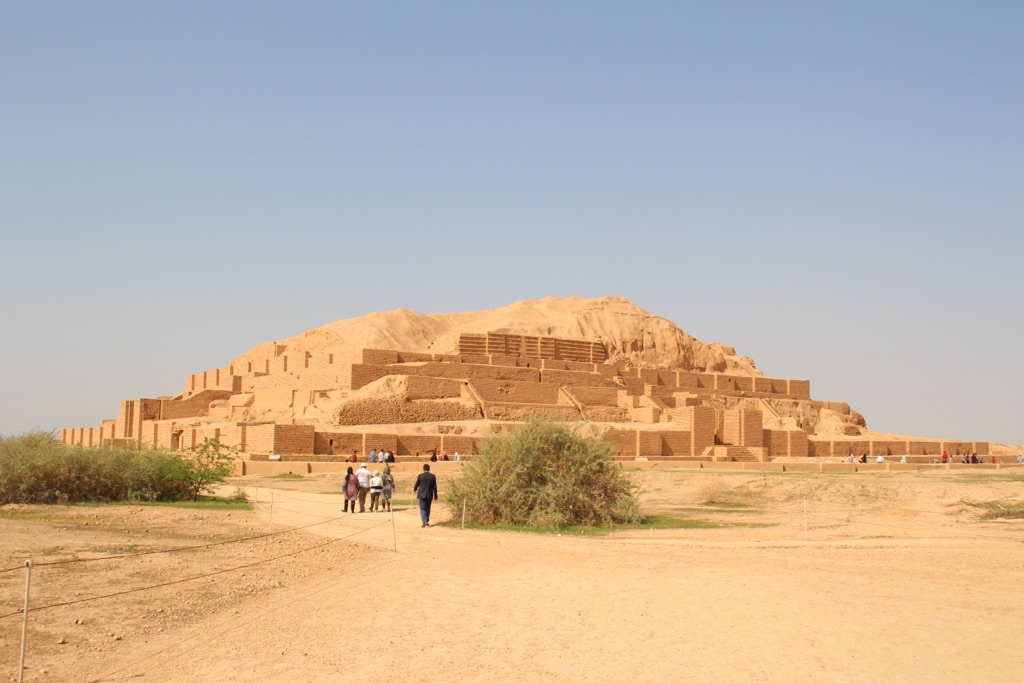
Chogha Zanbil
Chogha Zanbil is an ancient Elamite complex in the Khuzestan province of Iran. This site, one of the few extant ziggurats outside of Mesopotamia, was built around 1250 BC by the king Untash-Napirisha. Originally named Dur Untash, it was a religious center dedicated to the Elamite divinities Inshushinak and Napirisha. Chogha Zanbil remains one of the most significant testimonies to the Elamite civilization and was one of the first Iranian sites to be inscribed on the UNESCO World Heritage List in 1979.
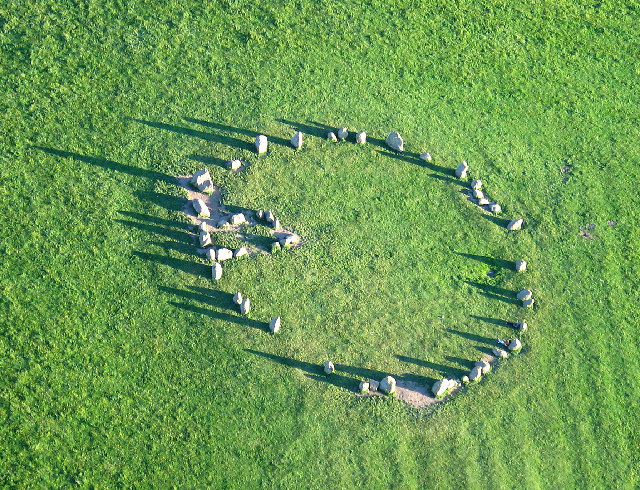
Castlerigg Stone Circle
Castlerigg Stone Circle, nestled in the Lake District of England, is a prehistoric monument that commands attention. This stone circle is one of the earliest in Britain, dating back to the Neolithic period. It consists of 38 stones in a layout that is both intriguing and mysterious. The panoramic views of the surrounding fells make Castlerigg a visual spectacle, and its historical significance adds to its allure. Scholars believe it was a site for ceremonies or trade, but its exact purpose remains a topic of debate. Castlerigg Stone Circle continues to captivate visitors and researchers alike with its ancient charm and enigmatic past.
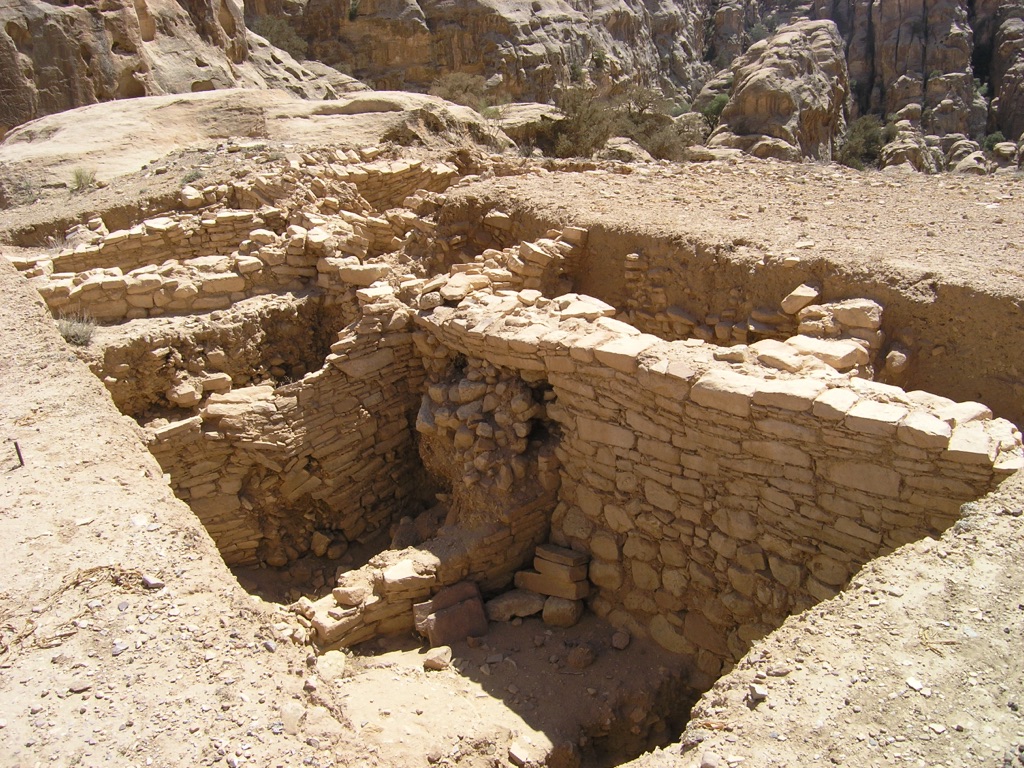
Ba’ja Archaeological Site
The Ba’ja Archaeological Site is a significant Neolithic settlement in Jordan. It offers a glimpse into early human civilization. The site is nestled in the rugged hills north of Petra. It provides valuable insights into the lifestyles of the people who lived there. Ba’ja is known for its well-preserved stone architecture. It includes houses with rooms, courtyards, and storage areas. The site has yielded numerous artifacts. These include pottery, tools, and a notable amount of jewelry. Ba’ja is a key location for understanding the transition from nomadic to sedentary lifestyles in the Near East.
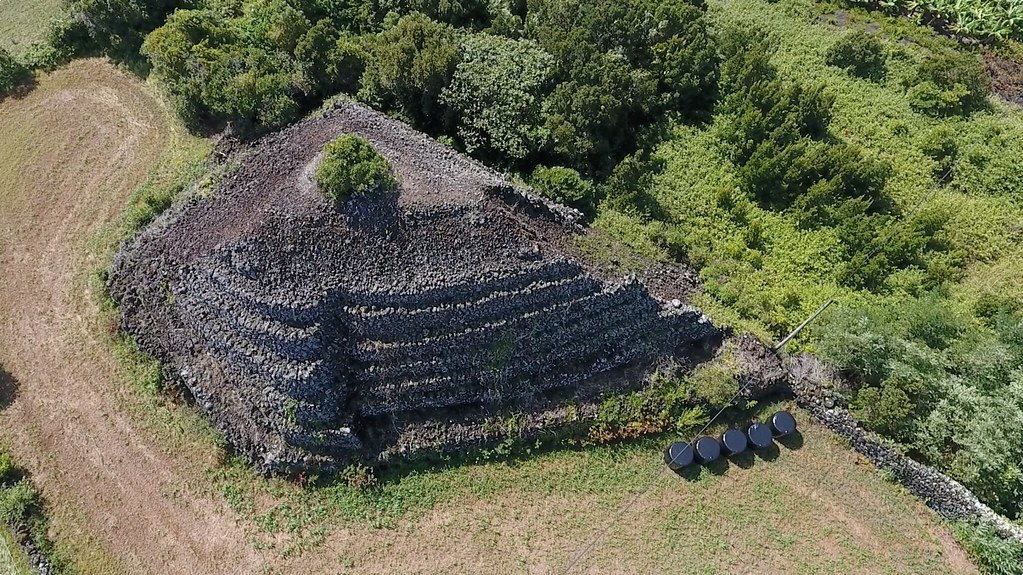
Azores Pyramids
The Azores Pyramids, also known as the Pyramids of the Azores or the Portuguese Pyramids, are a series of stone formations found on the Azores Islands. These structures have sparked interest and debate among archaeologists, historians, and enthusiasts. The Azores, an archipelago in the mid-Atlantic, are an autonomous region of Portugal. The discovery of these pyramidal structures has led to various theories about their origin and purpose, ranging from natural formations to remnants of ancient civilizations.
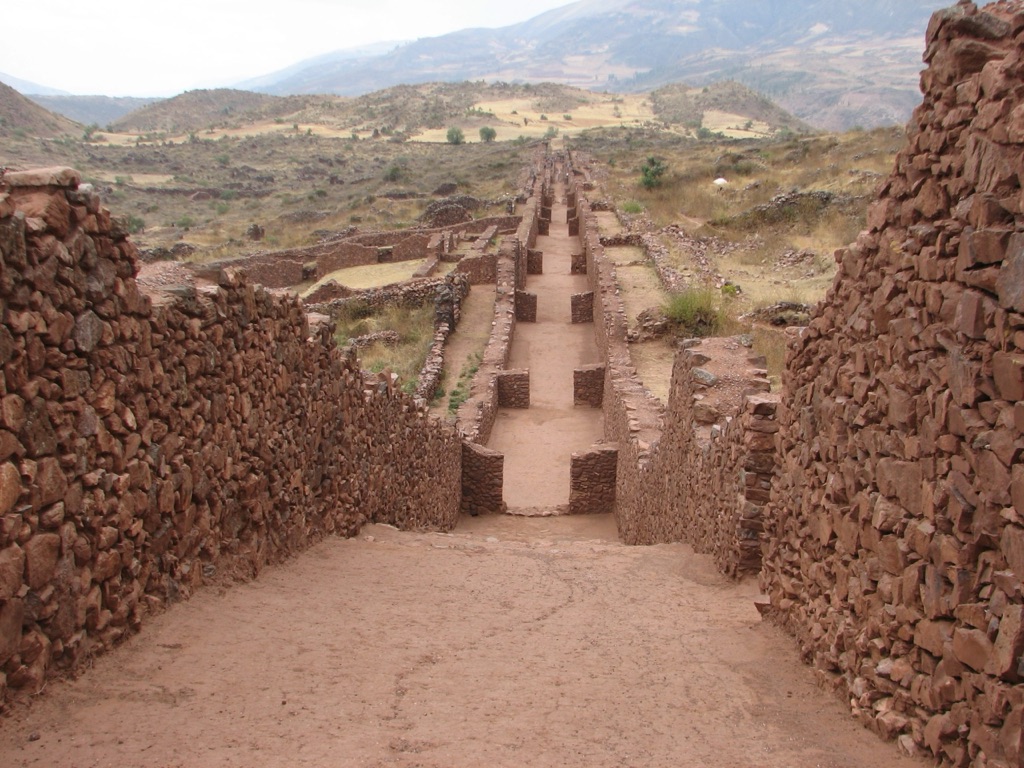
Pikillacta
Pikillacta is a well-preserved pre-Inca archaeological site located in the Cusco region of Peru. This ancient city stands as a testament to the engineering prowess of the Wari culture, which thrived between 500 and 1000 AD. Pikillacta showcases a vast complex of plazas, dwellings, and a sophisticated network of roads and waterways. Its strategic location and layout suggest it played a significant role in the Wari civilization’s expansion and influence across the Andean highlands.