
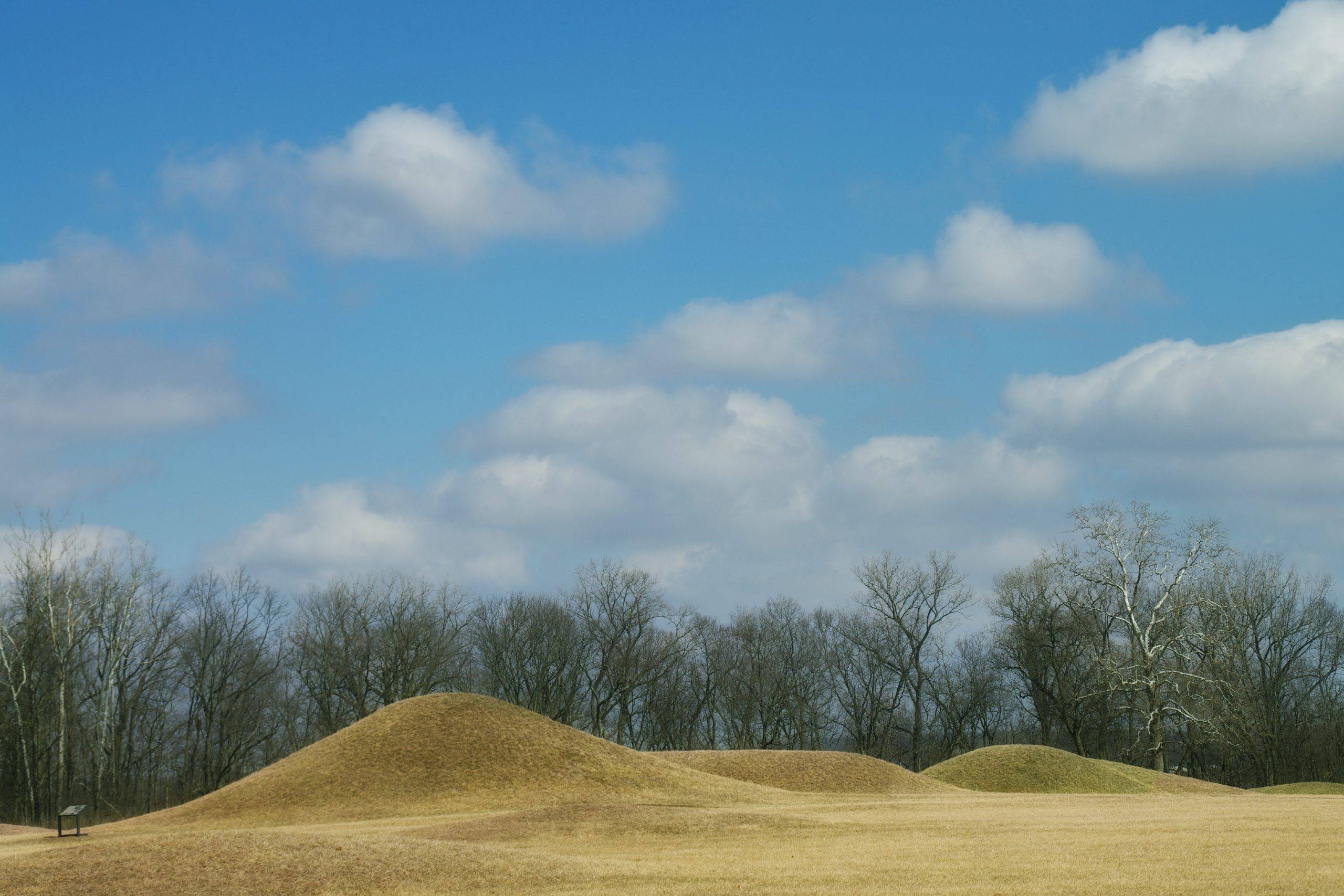
The Hopewell Mounds are a collection of earthen mounds and geometric earthworks that were part of the Hopewell culture, which flourished from 200 BCE to 500 CE. These mounds are primarily located in the Ohio River Valley in the United States. They are named after the Hopewell Farm in Ross County, Ohio, where a large concentration of mounds was discovered. The Hopewell Mounds are significant for their complex structures, which include burial mounds and ceremonial spaces, and for the sophisticated artifacts found within them, such as finely crafted metalwork and exotic materials that indicate a wide trade network.
Neural Pathways
Neural Pathways is a collective of seasoned experts and researchers with a profound passion for unraveling the enigmas of ancient history and artifacts. With a wealth of combined experience spanning decades, Neural Pathways has established itself as a leading voice in the realm of archaeological exploration and interpretation.
Our team of researchers and scholars provide unparalleled depth of knowledge in deciphering the intricate narratives embedded within ancient artifacts and deciphering the cultural nuances that shaped civilizations of the past. Through meticulous research, rigorous analysis, and a collaborative spirit, Neural Pathways has made and continues to make significant contributions to our understanding of the human past.
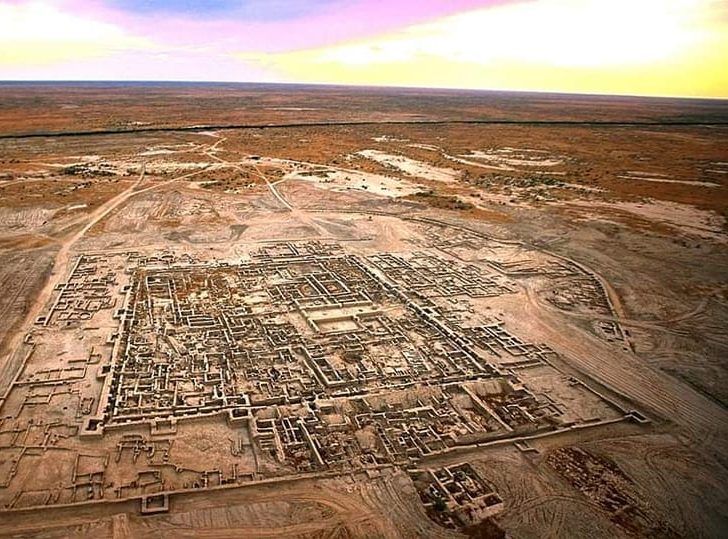
Gonur Depe
Gonur Depe is an archaeological site of the ancient civilization of Margiana, located in the Karakum Desert of Turkmenistan. This Bronze Age settlement, part of the wider Oxus civilization, is considered one of the earliest urban centers in the region. The site includes a complex of palaces, temples, and residential structures, and is thought to have been an important religious and administrative center. Discovered in the 1970s, Gonur Depe has since revealed a wealth of information about the Bronze Age people who thrived in Central Asia.
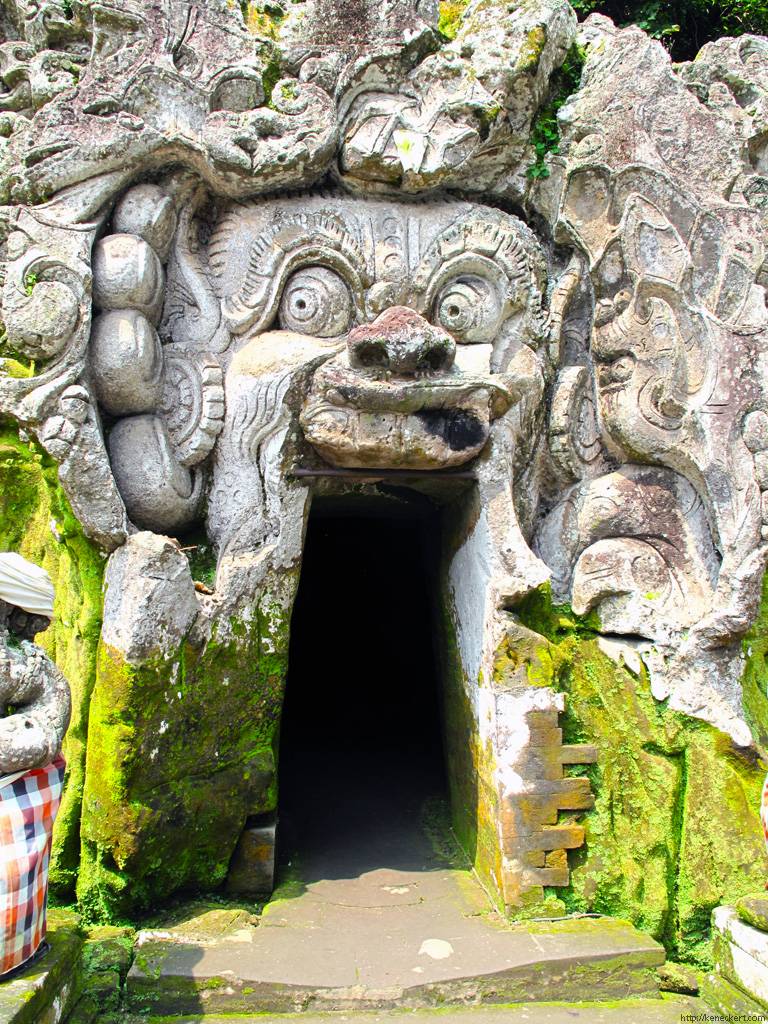
Goa Gajah Elephant Cave Temple
The Goa Gajah Elephant Cave Temple is a significant archaeological site located on the island of Bali, Indonesia. Known for its intricate rock-wall carvings, central meditational cave, and bathing pools, it dates back to the 9th century. The site blends Hindu and Buddhist elements, reflecting the religious history of the region. It’s a popular destination for tourists and a point of interest for historians and archaeologists alike.
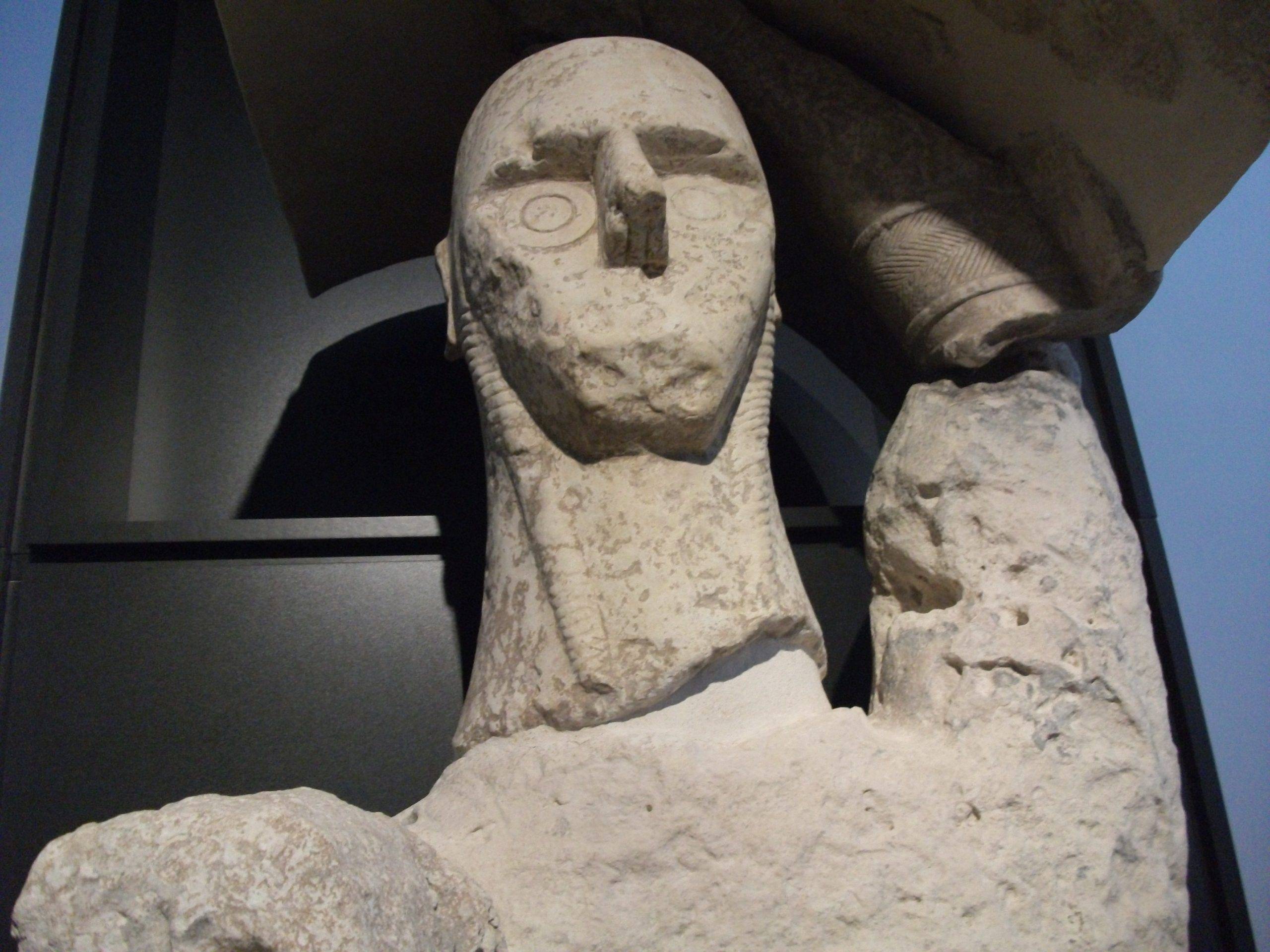
Giants of Mont’e Prama
The Giants of Mont’e Prama are a collection of impressive stone sculptures discovered in Sardinia, Italy. They date back to the Nuragic civilization, which thrived in the Bronze Age. These statues are unique in Mediterranean archaeology and represent one of the earliest examples of monumental sculpture in Europe. The figures, some standing over 2 meters tall, depict warriors, archers, and boxers, as well as models of nuraghes, the distinctive tower-like structures found throughout Sardinia. Their discovery has shed light on the art, religion, and society of the ancient Nuragic people.
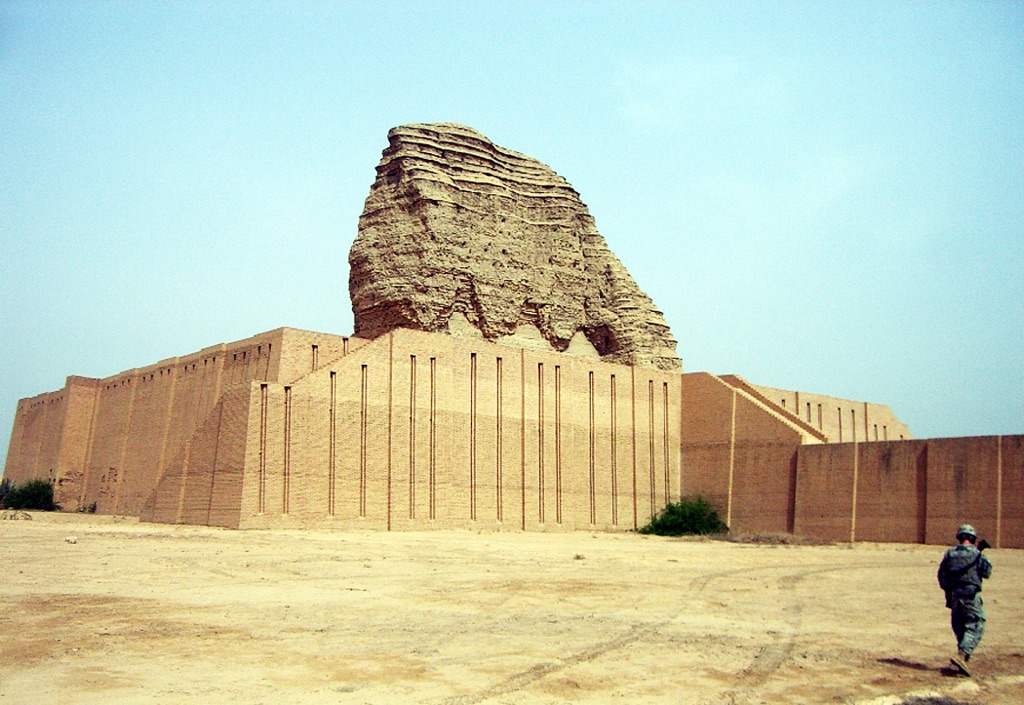
Dur-Kurigalzu
Dur-Kurigalzu, a city from ancient Mesopotamia, stands as a testament to the Kassite Dynasty’s architectural prowess. Founded by King Kurigalzu I in the 14th century BC, it served as a political and religious center. The city, named after its founder, was strategically positioned between the Tigris and Euphrates rivers. Its ruins, including a ziggurat and palatial complex, provide insight into Kassite culture and influence. Excavations have unearthed artifacts that shed light on the city’s significance in ancient times.
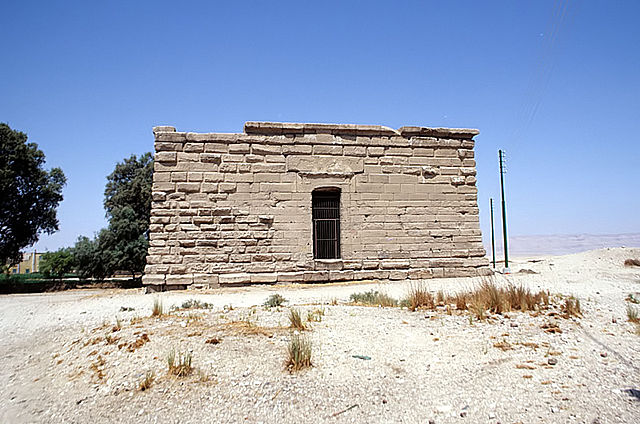
Deir el-Shelwit
Deir el-Shelwit is an ancient Egyptian temple located on the west bank of the Nile, near Luxor, Egypt. It is dedicated to the goddess Isis, a major deity in the Egyptian pantheon. This small and relatively lesser-known temple stands out for its late construction, dating back to the Roman period in Egypt. Despite its size, Deir el-Shelwit is significant for its well-preserved wall reliefs and inscriptions, which provide insights into the religious practices of the time.