
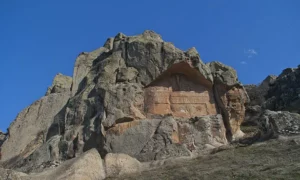
Yazılıkaya is a remarkable ancient sanctuary located in central Turkey, near the city of Hattusa, the capital of the Hittite Empire. This open-air shrine boasts a rich array of rock carvings depicting gods, goddesses, and mythical creatures from the Hittite pantheon. The site, which translates to “Inscribed Rock” in Turkish, is divided into two main chambers, known as Chamber A and Chamber B, each adorned with a unique set of bas-reliefs. These carvings provide invaluable insights into the religious practices and beliefs of the Hittites, a civilization that thrived over 3,000 years ago. The intricate details and the well-preserved state of the carvings make Yazılıkaya one of the most significant archaeological discoveries in the study of ancient Near Eastern cultures.
Neural Pathways
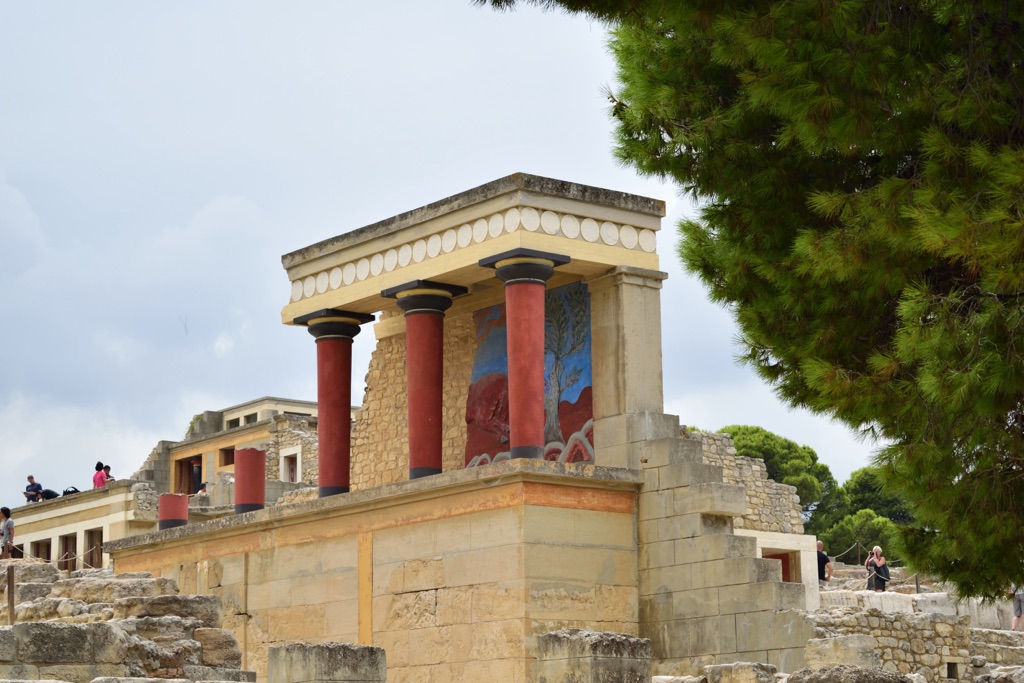
Minoan Palace of Knossos
The Minoan Palace of Knossos, a monumental symbol of the Minoan civilization, stands as a testament to Crete’s ancient history. This archaeological marvel, believed to be the mythical Labyrinth of King Minos, was once the ceremonial and political center of the Minoan culture. Its complex multi-story buildings, elaborate frescoes, and advanced infrastructure reflect a sophisticated society that thrived during the Bronze Age. The palace’s discovery in the early 20th century provided invaluable insights into the art, religion, and daily life of the earliest European civilization.
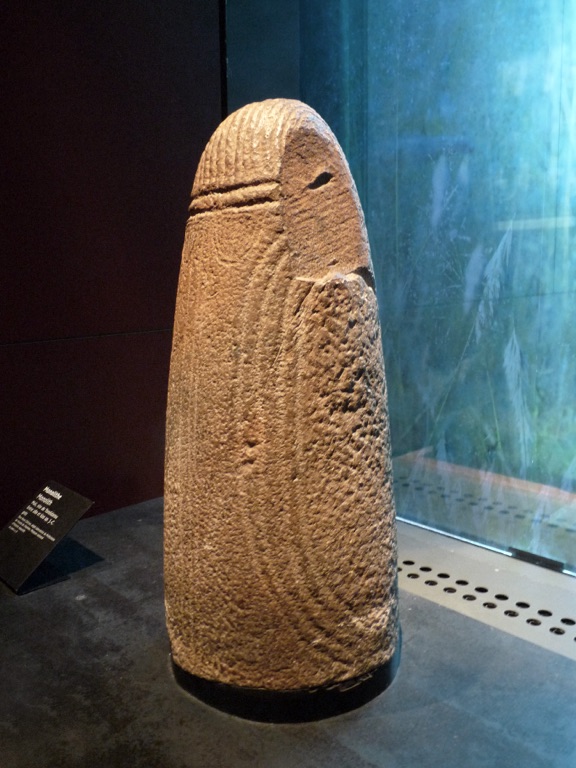
Tondidarou megaliths
The Tondidarou megaliths are a collection of ancient stone structures found in West Africa. These megaliths are significant for their historical and archaeological value. They provide insights into the prehistoric cultures of the region. The stones are arranged in various patterns and have been the subject of much speculation and study. They offer a window into the past, revealing the practices and beliefs of the people who erected them.
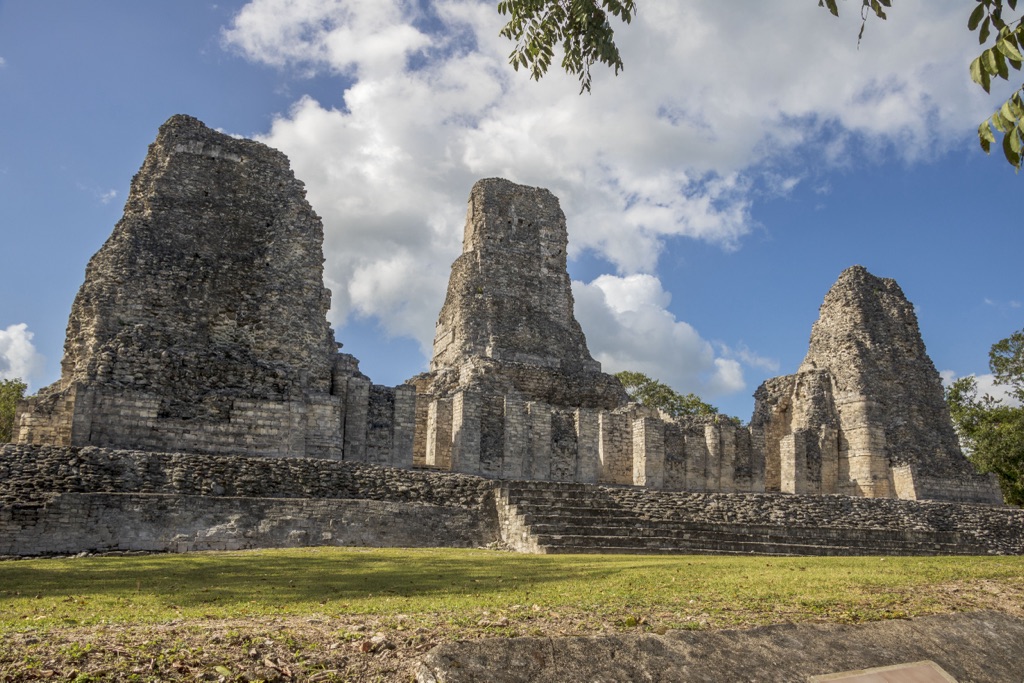
Xpuhil
Xpuhil is a Mayan archaeological site located in the Mexican state of Campeche, within the region known as the Rio Bec area. It is renowned for its unique architectural style and intricate stone carvings. The site features several structures, including the prominent Structure I, which is characterized by its three-towered facade. Xpuhil played a significant role in the socio-political landscape of the Classic Maya civilization and provides valuable insights into their urban development, architectural innovation, and cultural practices.
Ingapirca
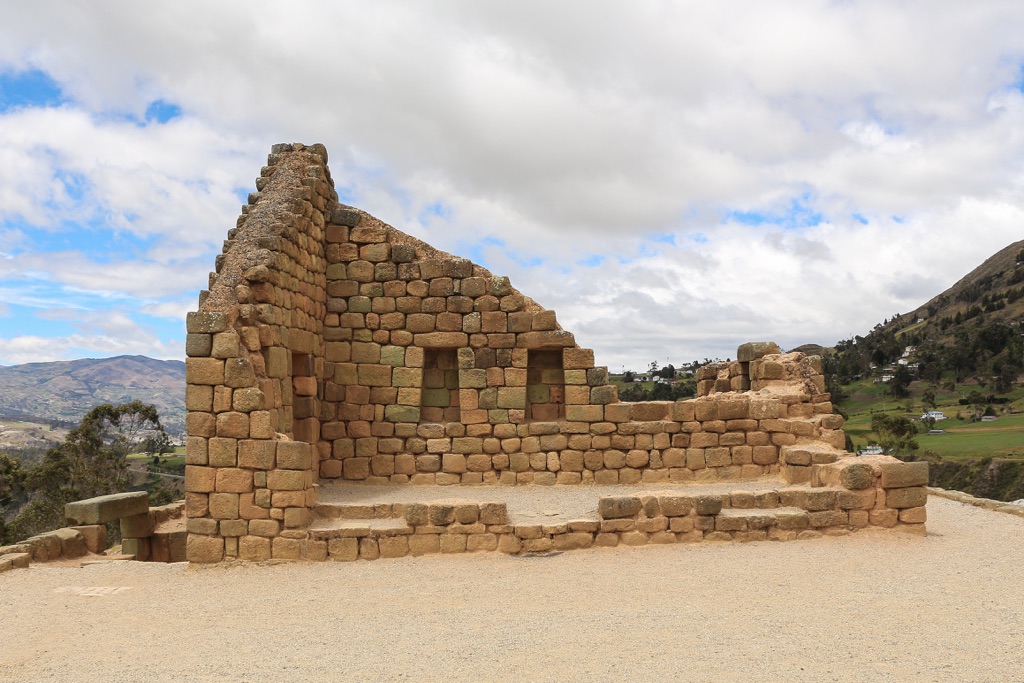
Ingapirca, meaning “Wall of the Inca,” is the largest known Inca ruins in Ecuador. Located in the Cañar province, these ruins are a testament to the Inca’s architectural prowess and their expansion into Ecuador. The site features a combination of Inca and Cañari architecture, indicative of the cultural synthesis that occurred during the Inca Empire’s expansion. The most significant structure at Ingapirca is the Temple of the Sun, an elliptically shaped building constructed in line with the Inca’s understanding of astronomy. Ingapirca serves not only as a historical site but also as a cultural symbol of Ecuador’s indigenous heritage.
Hulbjerg Jættestue (Hulbjerg Passage Grave)
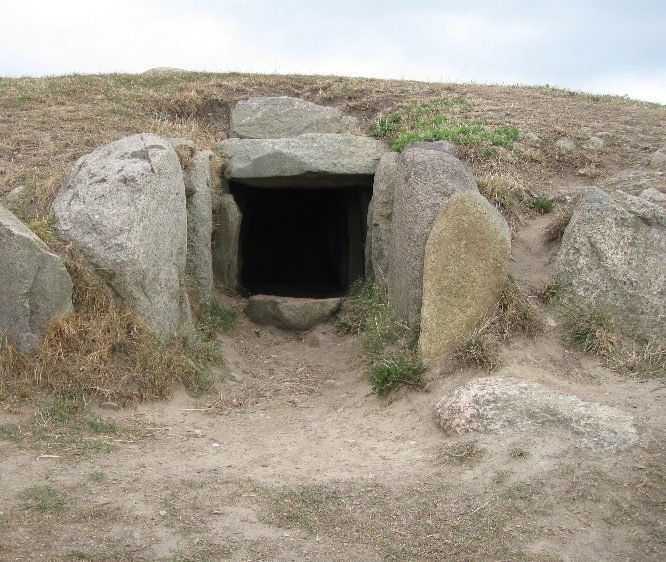
The Hulbjerg Jættestue is a Neolithic burial site located on the island of Langeland in Denmark. This megalithic tomb, dating back to around 3000 BC, is a remarkable example of early human engineering and spiritual beliefs. It consists of a large passage grave, which is a type of collective burial site commonly found in Scandinavia…