
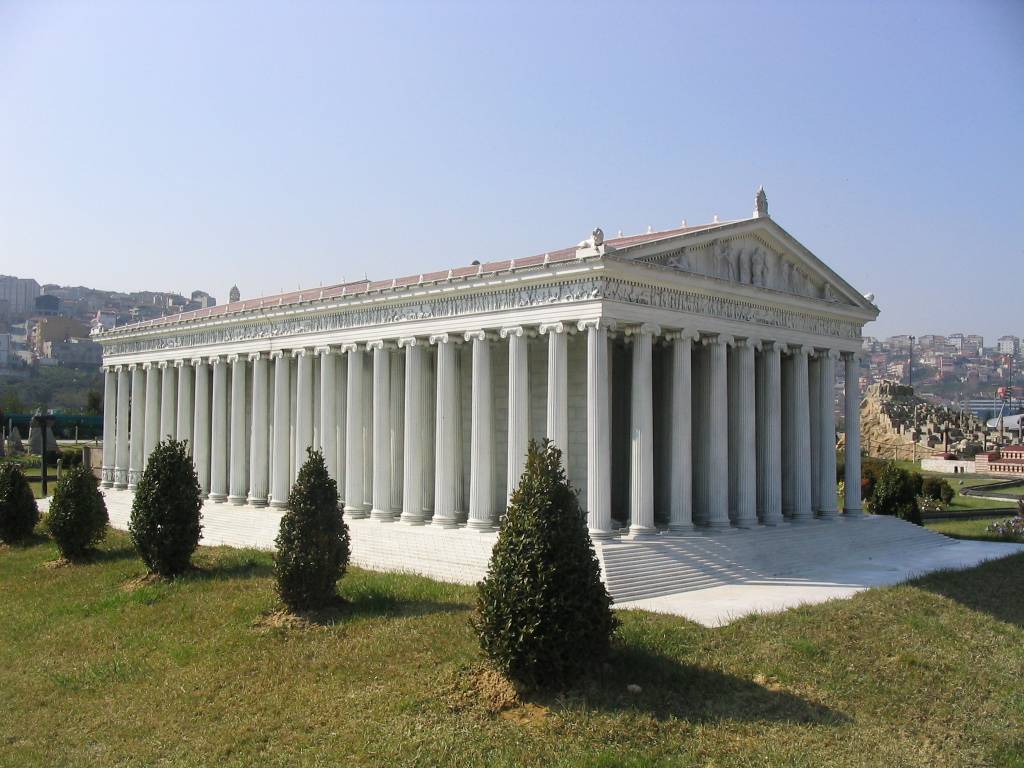
The Temple of Artemis, also known as the Artemision, was one of the Seven Wonders of the Ancient World. It stood in the city of Ephesus, now near the modern town of Selçuk in present-day Turkey. This grand temple was dedicated to Artemis, the Greek goddess of the hunt, wilderness, and childbirth. It was not only a religious sanctuary but also a symbol of wealth and power for Ephesus. The temple’s magnificence and architectural brilliance attracted visitors from around the Mediterranean. Despite its destruction and subsequent reconstructions over the centuries, the Temple of Artemis continues to fascinate historians and archaeologists today.
Neural Pathways
Neural Pathways is a collective of seasoned experts and researchers with a profound passion for unraveling the enigmas of ancient history and artifacts. With a wealth of combined experience spanning decades, Neural Pathways has established itself as a leading voice in the realm of archaeological exploration and interpretation.
Our team of researchers and scholars provide unparalleled depth of knowledge in deciphering the intricate narratives embedded within ancient artifacts and deciphering the cultural nuances that shaped civilizations of the past. Through meticulous research, rigorous analysis, and a collaborative spirit, Neural Pathways has made and continues to make significant contributions to our understanding of the human past.
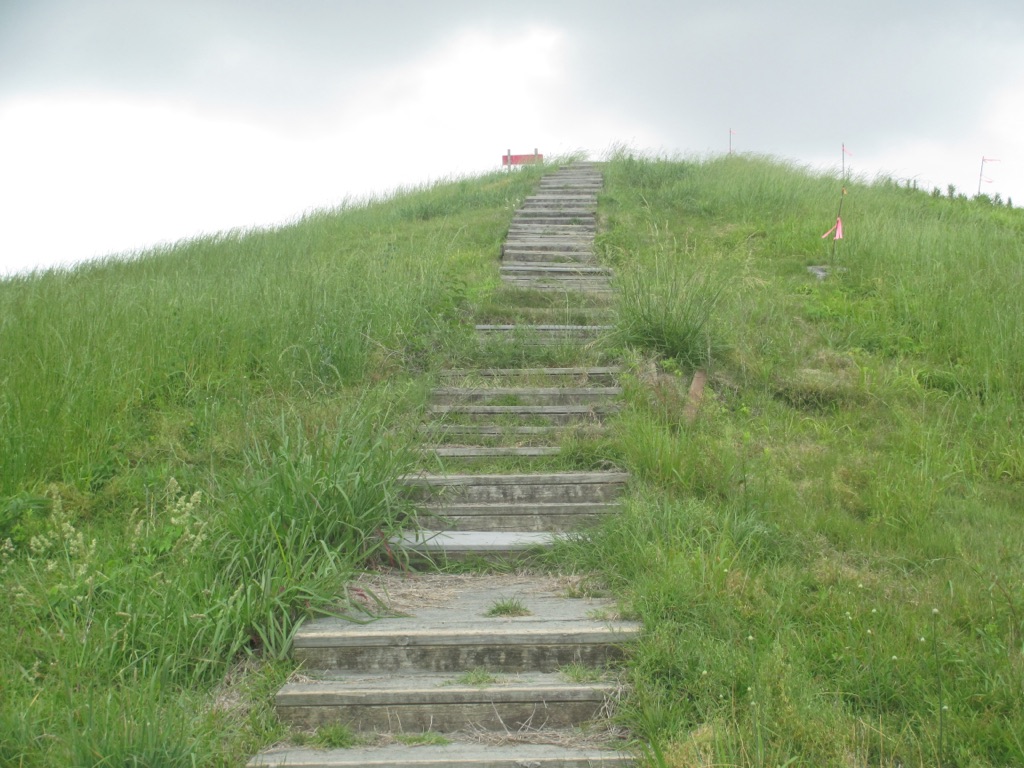
Poverty Point
Poverty Point is a prehistoric earthworks of the Poverty Point culture, located in the Southern United States. It is one of the most significant archaeological sites in North America, showcasing a complex network of mounds and ridges built by a society that thrived from approximately 1700 to 1100 BC. Recognized as a UNESCO World Heritage Site, Poverty Point offers invaluable insights into the life, culture, and engineering skills of its creators, who were among the earliest inhabitants of the region.
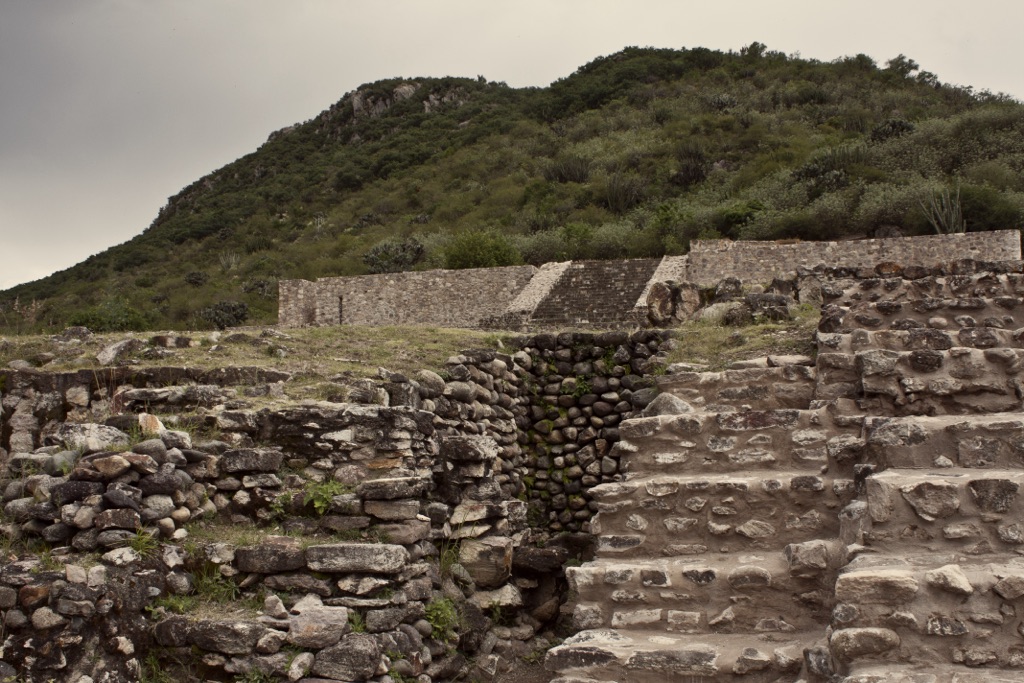
Dainzú
Dainzú is a significant archaeological site located in the Oaxaca Valley of Mexico. It showcases the vestiges of a pre-Columbian Zapotec civilization settlement. The site is renowned for its unique bas-relief carvings that depict figures engaged in a ball game, which is one of the earliest known instances of such depictions in Mesoamerica. Dainzú provides valuable insights into the Zapotec culture, their social structure, religious practices, and interactions with neighboring civilizations.
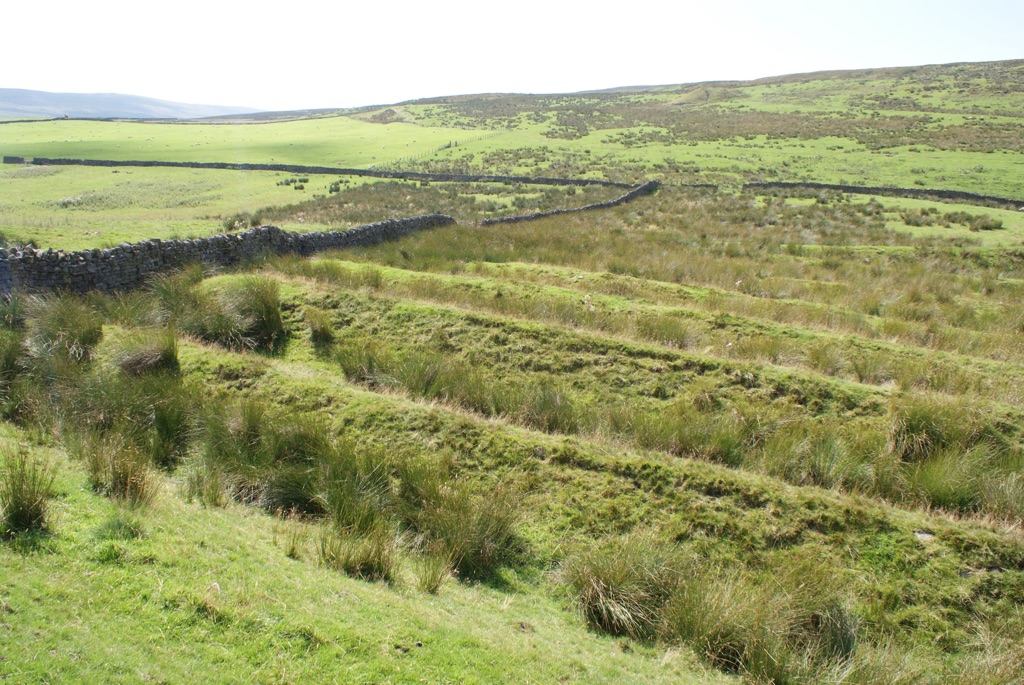
Whitley Castle (Epiacum Roman Fort)
Whitley Castle, also known as Epiacum, is a Roman fort situated in Northumberland, England. It boasts a unique diamond-shaped design, which stands out among Roman fortifications. The site, perched on a spur of Alston Moor, overlooks the South Tyne Valley. Archaeologists believe the fort served both military and administrative purposes during the Roman occupation of Britain. Over time, Whitley Castle has sparked interest for its historical significance and the insights it provides into Roman military architecture.
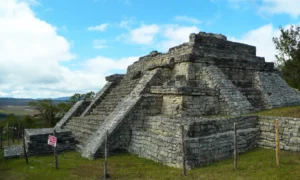
Chinkultic
Chinkultic is a pre-Columbian archaeological site located in the Chiapas region of Mexico. It’s a lesser-known gem of the Maya civilization, boasting a wealth of structures, including pyramids, plazas, and an ancient ball court. The site offers a unique glimpse into the lives and rituals of the Maya people, with its hieroglyphic inscriptions and stelae providing valuable insights into their complex society. Chinkultic stands out for its strategic location, which allowed it to control local trade routes and water resources, making it an important player in the regional power dynamics of the Maya world.
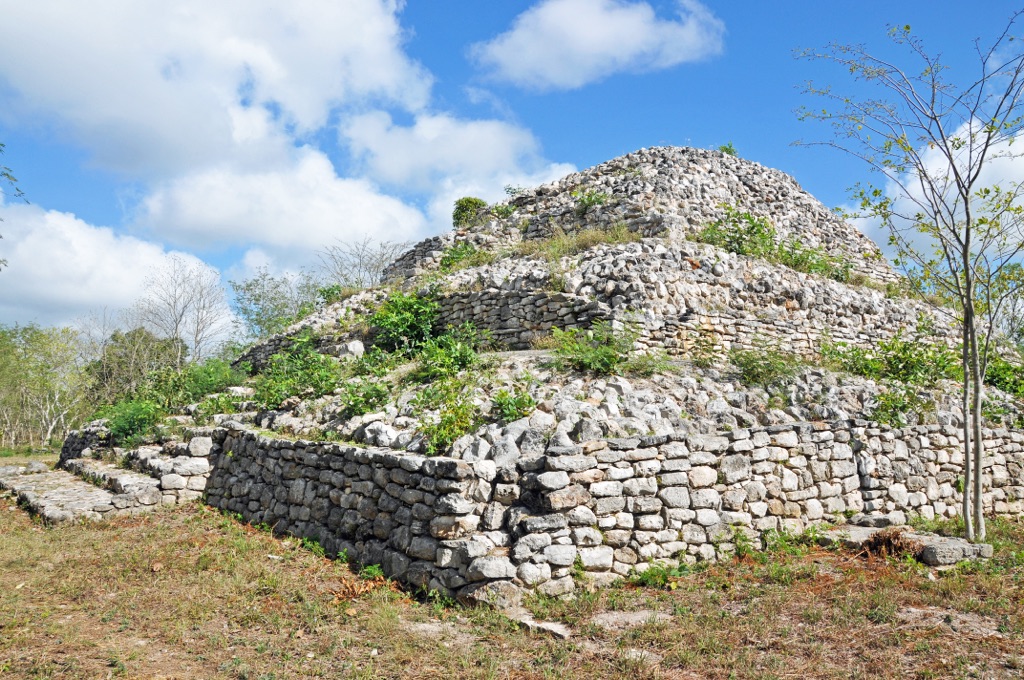
Yaxuná
Yaxuná is an ancient Maya city located in the Yucatan Peninsula of Mexico. It boasts a long history, spanning the Preclassic to the Postclassic periods. The site is particularly known for its large central pyramid and extensive network of sacbeob, or white roads, connecting it to other Maya cities, including the famous Chichen Itza. Yaxuná’s strategic location and its evolving political relationships reflect the complex socio-political dynamics of the ancient Maya civilization.