
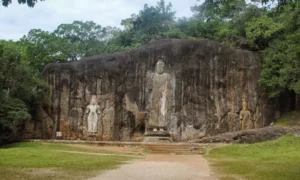
Buduruwagala, an ancient Buddhist temple located in the Monaragala district of Sri Lanka, stands as a testament to the religious and artistic heritage of the island. This complex, dating back to the 10th century AD, is renowned for its seven colossal statues, which are carved directly into a rock face. These figures are significant not only for their size but also for their affiliation with the Mahayana school of Buddhism, which saw a period of prominence in Sri Lanka during this era.
Neural Pathways
Neural Pathways is a collective of seasoned experts and researchers with a profound passion for unraveling the enigmas of ancient history and artifacts. With a wealth of combined experience spanning decades, Neural Pathways has established itself as a leading voice in the realm of archaeological exploration and interpretation.
Our team of researchers and scholars provide unparalleled depth of knowledge in deciphering the intricate narratives embedded within ancient artifacts and deciphering the cultural nuances that shaped civilizations of the past. Through meticulous research, rigorous analysis, and a collaborative spirit, Neural Pathways has made and continues to make significant contributions to our understanding of the human past.
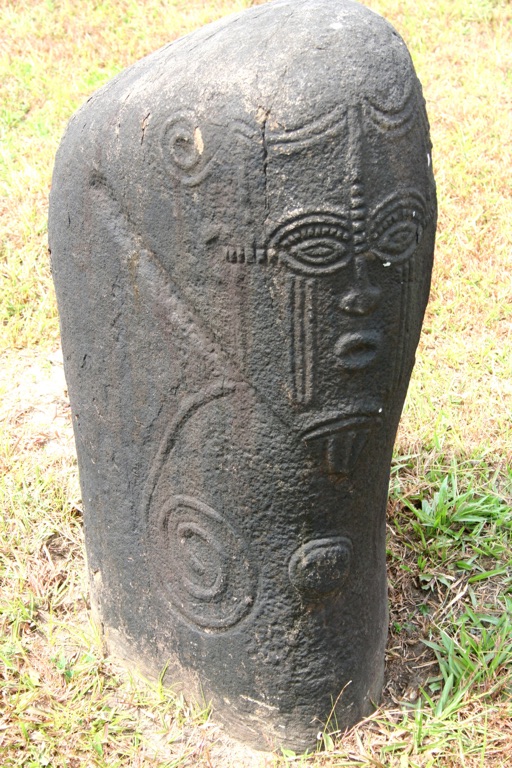
The Ikom Monoliths
The Ikom Monoliths, also known as the Akwanshi or Atal, are a collection of volcanic-stone monoliths located around the town of Ikom in Cross River State, Nigeria. These intriguing artifacts are adorned with intricate carvings and inscriptions believed to be between 1,500 and 2,000 years old. The monoliths vary in height, some reaching up to 2 meters, and are spread across more than 30 sites in the Ikom area. Their purpose and the identity of their creators remain subjects of speculation and research, making them a fascinating topic for historians and archaeologists alike.
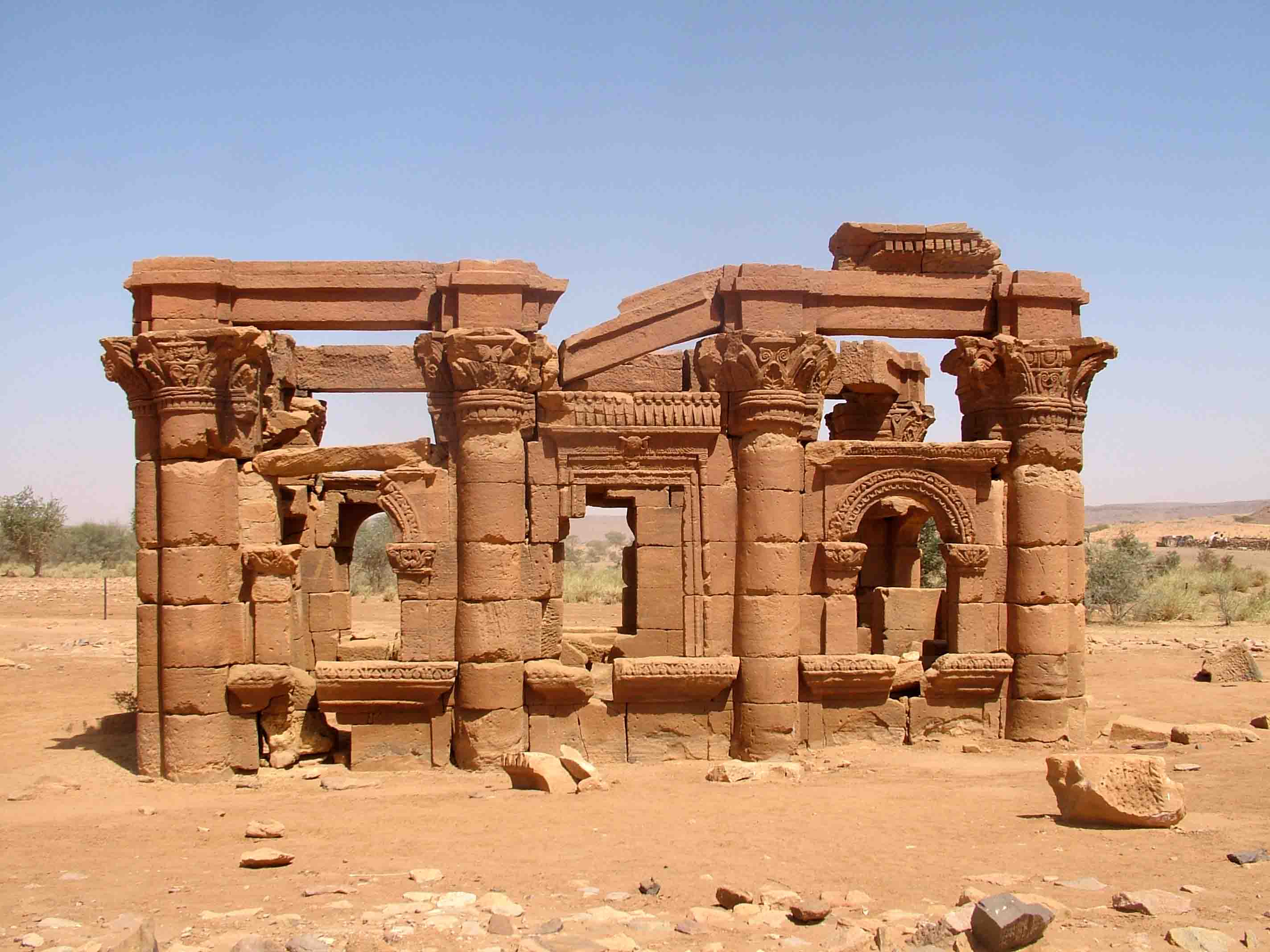
Naqa
Naqa, a once-flourishing center of the Meroitic Kingdom, lies in modern-day Sudan. This ancient city, with its blend of Egyptian, Roman, and indigenous architectural styles, offers a unique glimpse into a civilization that thrived between the 1st century BC and the 4th century AD. Naqa’s ruins, including temples and a Roman-style kiosk, stand as a testament to the cultural and economic significance of this site in antiquity.
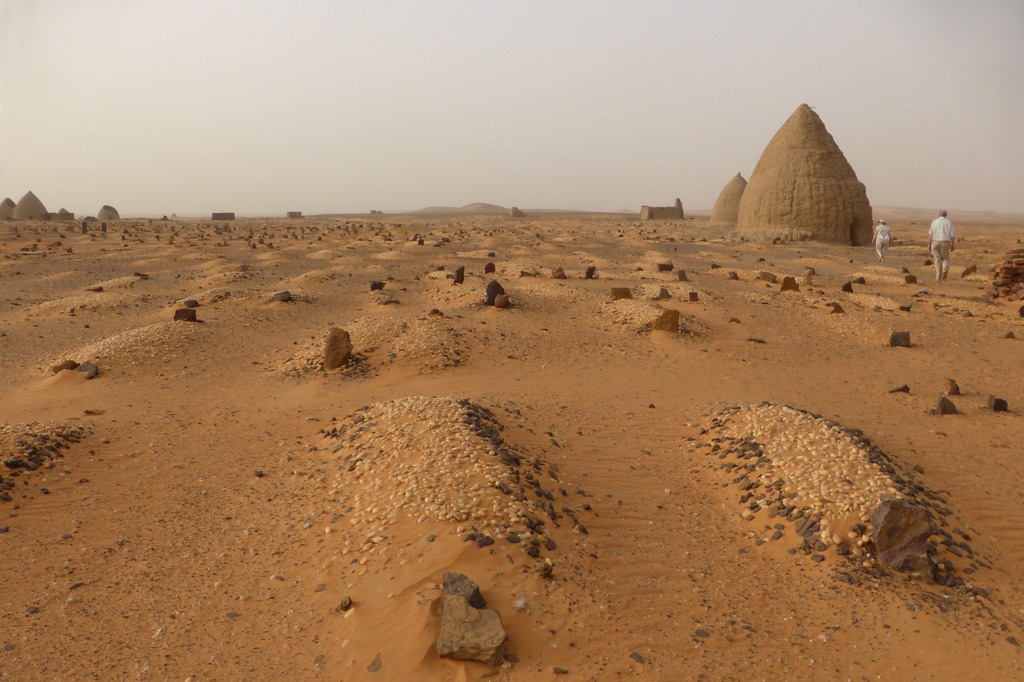
Old Dongola
Old Dongola was the capital of the Makurian state in medieval Nubia. It thrived as a political and commercial center from the 6th to the 14th century AD. The city is located on the east bank of the Nile River in what is now Sudan. It’s known for its unique archaeological remains, including churches, monasteries, and palaces. The site offers a glimpse into a civilization that managed to fuse indigenous African elements with Mediterranean influences.
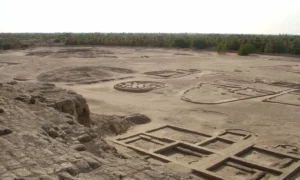
Kerma
Kerma, located in present-day Sudan, stands as a testament to the rich cultural and historical legacy of ancient Nubia. This site, one of the largest archaeological sites in ancient Nubia, has been the focus of extensive excavations and research for decades, revealing a complex society that thrived over 5,500 years ago.
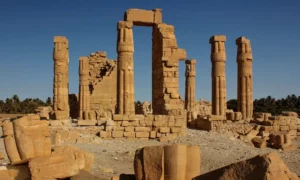
Soleb
Soleb is an ancient site in modern-day Sudan, known for its temple ruins. The Egyptians built the temple during the reign of Amenhotep III in the 14th century BC. It served as a symbol of Egyptian power and religious devotion. Over time, the temple fell into disuse and was buried by the sands of the desert. Archaeologists rediscovered it in the 19th century, revealing its historical significance. Soleb provides insights into ancient Egyptian architecture, religion, and their reach into Africa.