
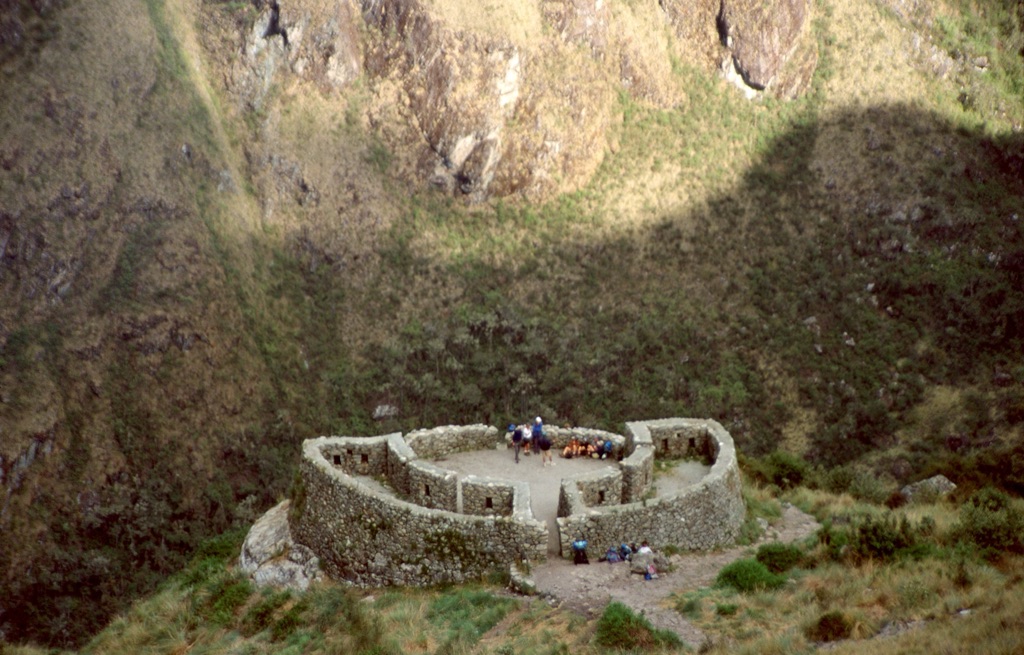
Runkuraqay is an archaeological site located in Peru, along the Inca Trail leading to Machu Picchu. It is often referred to as the “Egg-shaped” structure due to its distinctive, rounded design. This site, nestled in the Andean mountains, is believed to have served as a “tambo,” or resting and lodging place, for Incan travelers. The exact purpose of Runkuraqay and the full extent of its historical significance remain topics of research and debate among historians and archaeologists.
Neural Pathways
Neural Pathways is a collective of seasoned experts and researchers with a profound passion for unraveling the enigmas of ancient history and artifacts. With a wealth of combined experience spanning decades, Neural Pathways has established itself as a leading voice in the realm of archaeological exploration and interpretation.
Our team of researchers and scholars provide unparalleled depth of knowledge in deciphering the intricate narratives embedded within ancient artifacts and deciphering the cultural nuances that shaped civilizations of the past. Through meticulous research, rigorous analysis, and a collaborative spirit, Neural Pathways has made and continues to make significant contributions to our understanding of the human past.
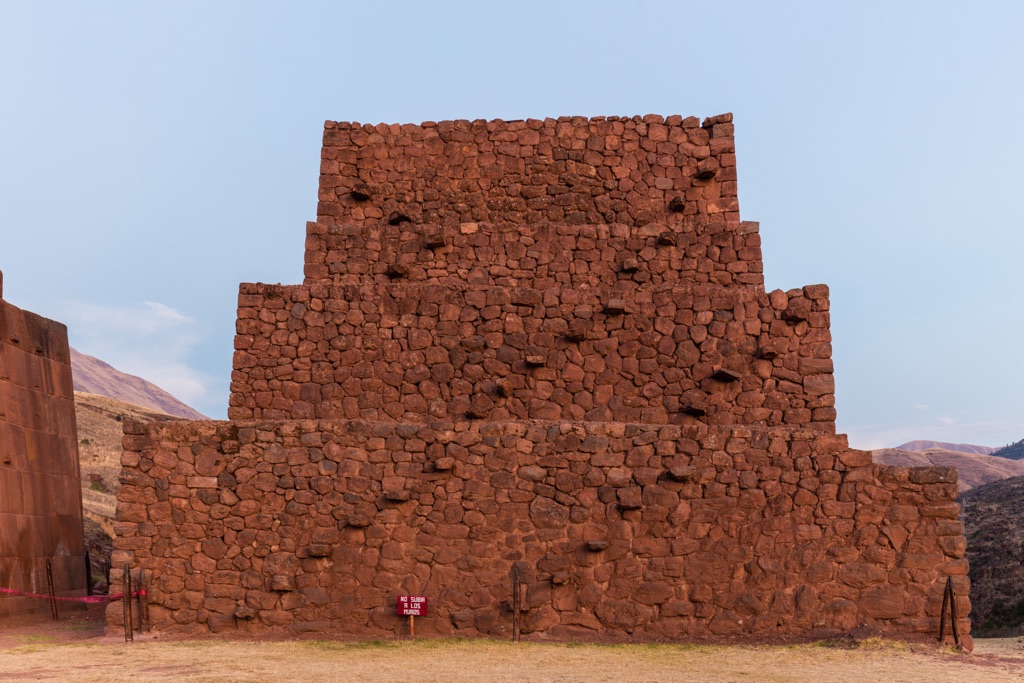
Rumicolca
Rumicolca is a fascinating archaeological site located in the Cusco region of Peru. It served as a gateway for the ancient Inca civilization and possibly earlier cultures. The structure is a testament to the engineering prowess of its builders, showcasing intricate stonework and architectural design. Rumicolca has piqued the interest of historians and archaeologists alike, as it provides insights into the Inca’s sophisticated road systems and their methods of controlling the movement of people and goods.
Pyramid of Sinki Egypt
The Pyramid of Sinki at Abydos is one of Egypt’s lesser-known pyramids. It dates back to the 13th Dynasty, around the 18th century BC. The structure is attributed to a pharaoh named Senebkay, whose reign was relatively short-lived. The pyramid remains a significant archaeological find, providing insights into a tumultuous period in Egypt’s history. Its discovery added to the understanding of the Second Intermediate Period, a time when Egypt was not united under a single ruler.
Shimao
Shimao, an ancient city in China, is a significant archaeological discovery that has reshaped our understanding of Chinese prehistory. The site, which spans over 4 square kilometers, includes a central pyramid, residential areas, and a complex system of fortifications. Its discovery has provided invaluable insights into the political, social, and cultural developments of early Chinese civilization.
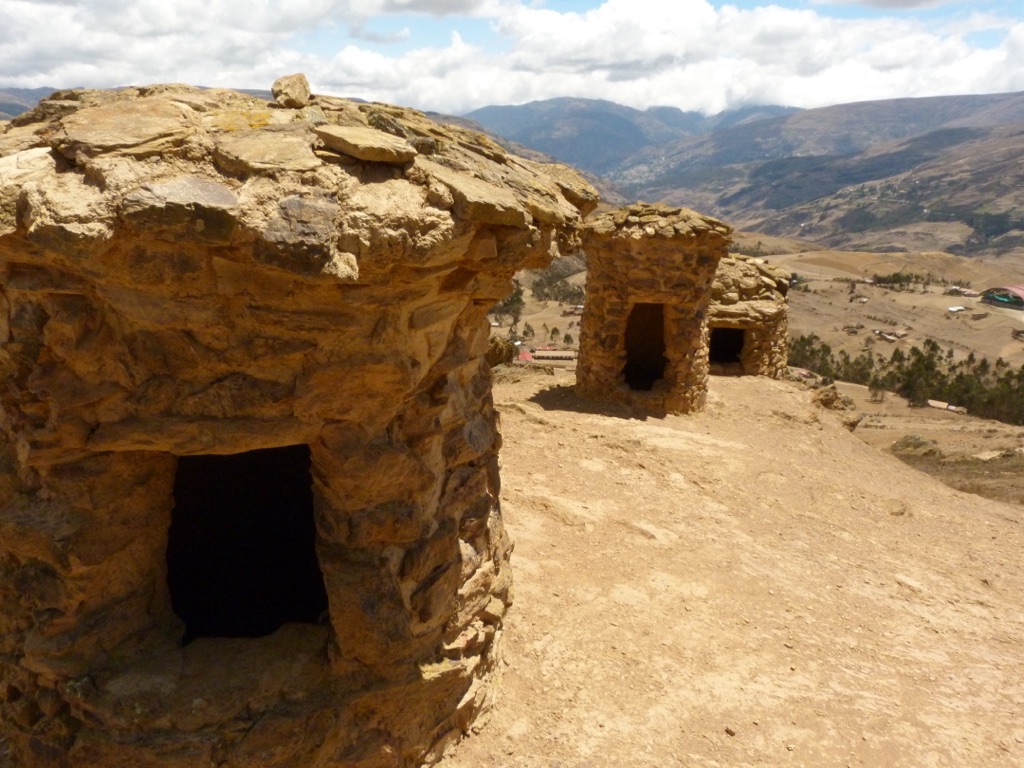
Ninamarca (Chullpas of Ninamarca)
Ninamarca, also known as the Chullpas of Ninamarca, is a pre-Columbian archaeological site located in Peru. It consists of a collection of funerary towers, known as chullpas, which are significant remnants of the pre-Inca Lupaca culture. These towers, perched on a hill overlooking the Pucará Valley, are a testament to the complex funerary practices and social structures of the ancient Andean civilizations. The site offers a glimpse into the Lupaca people’s architectural skills and their beliefs surrounding death and the afterlife.
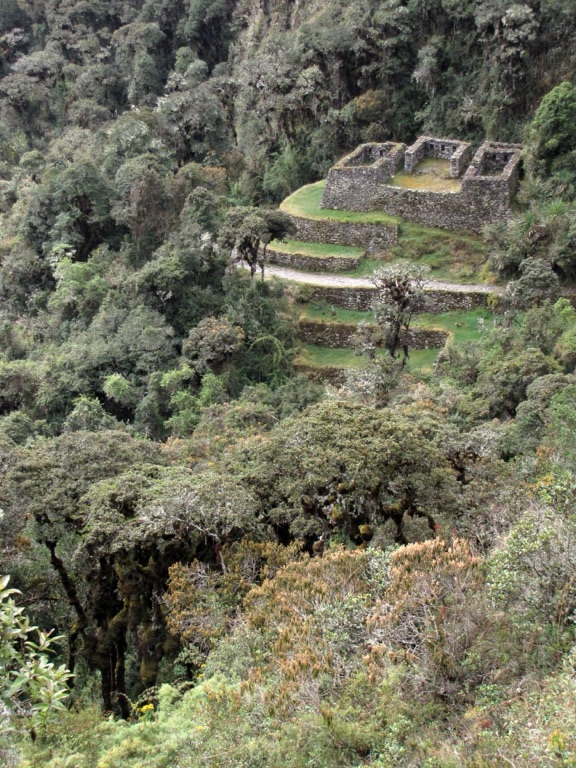
Sayacmarca
Sayacmarca is an intriguing archaeological site perched on a rocky promontory in Peru. It’s part of the Inca Trail, the network leading to the famous Machu Picchu. The name Sayacmarca means ‘Inaccessible Town’ in Quechua, reflecting its strategic location. This ancient site offers a glimpse into Incan architecture and urban planning. Its complex structures and terraces blend seamlessly with the natural landscape, showcasing the Inca’s engineering prowess.