
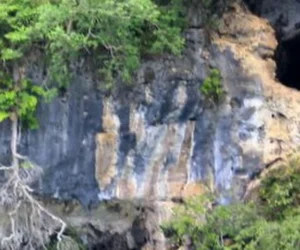
The Tabon Caves, located in Palawan, Philippines, hold significant archaeological and historical value. These caves, first explored in 1962, have provided a wealth of information about the ancient peoples who lived in the region. Among the most notable discoveries within these caves are the burial jars, which offer critical insights into the funerary practices and…
Neural Pathways
Neural Pathways is a collective of seasoned experts and researchers with a profound passion for unraveling the enigmas of ancient history and artifacts. With a wealth of combined experience spanning decades, Neural Pathways has established itself as a leading voice in the realm of archaeological exploration and interpretation.
Our team of researchers and scholars provide unparalleled depth of knowledge in deciphering the intricate narratives embedded within ancient artifacts and deciphering the cultural nuances that shaped civilizations of the past. Through meticulous research, rigorous analysis, and a collaborative spirit, Neural Pathways has made and continues to make significant contributions to our understanding of the human past.
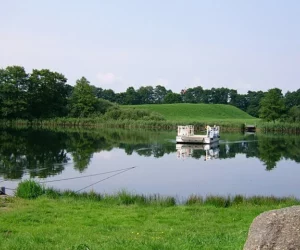
Ostrów Lednicki
Ostrów Lednicki, an island in Lake Lednica, is a significant archaeological site in Poland. Located in the Greater Poland region, the island holds remnants of early medieval structures linked to Poland’s formation. Researchers and historians consider it one of the most important sites in Polish history. Geographical and Historical Context Ostrów Lednicki is situated between…
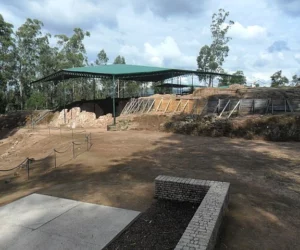
Archaeological Site Of Cabeço Do Vouga
Cabeço do Vouga is a significant archaeological site located in the Aveiro district of Portugal. It holds evidence of occupation from the Iron Age through the Roman period. The site’s strategic location on a hill overlooking the Vouga River made it a vital point for controlling trade routes and communication lines. Archaeological excavations have provided…
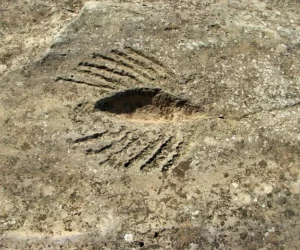
Jebel Jassassiyeh
Jebel Jassassiyeh is one of Qatar’s most significant archaeological sites. It provides valuable insights into the region’s ancient cultures and activities. This site, located on the northeastern coast of Qatar, contains numerous rock carvings and other artifacts dating back thousands of years. Location and Geography Jebel Jassassiyeh lies approximately 60 kilometers north of Doha, Qatar’s…
Ruwayda
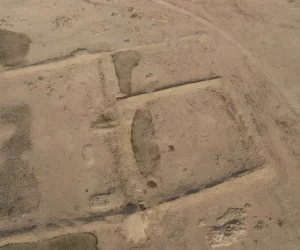
Ruwayda is an important archaeological site on the northern coast of Qatar’s Al Shamal region. The site’s significance lies in its extensive remains, reflecting different historical periods. These periods span from the pre-Islamic era to the Islamic golden age. As a result, Ruwayda offers valuable insights into the region’s past, particularly its trade, architecture, and…
Umm Al Maa
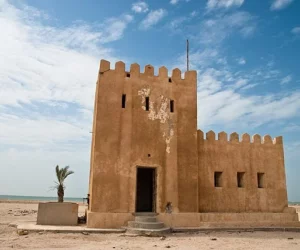
Umm Al Maa is an important archaeological site in Libya, located in the Fezzan region, near the Gaberoun Oasis. The site dates back to the Garamantian period, roughly from the 5th century BC to the 5th century AD. It offers critical insights into the Garamantian civilization, an ancient Saharan people known for their complex society…