Statues and Monuments
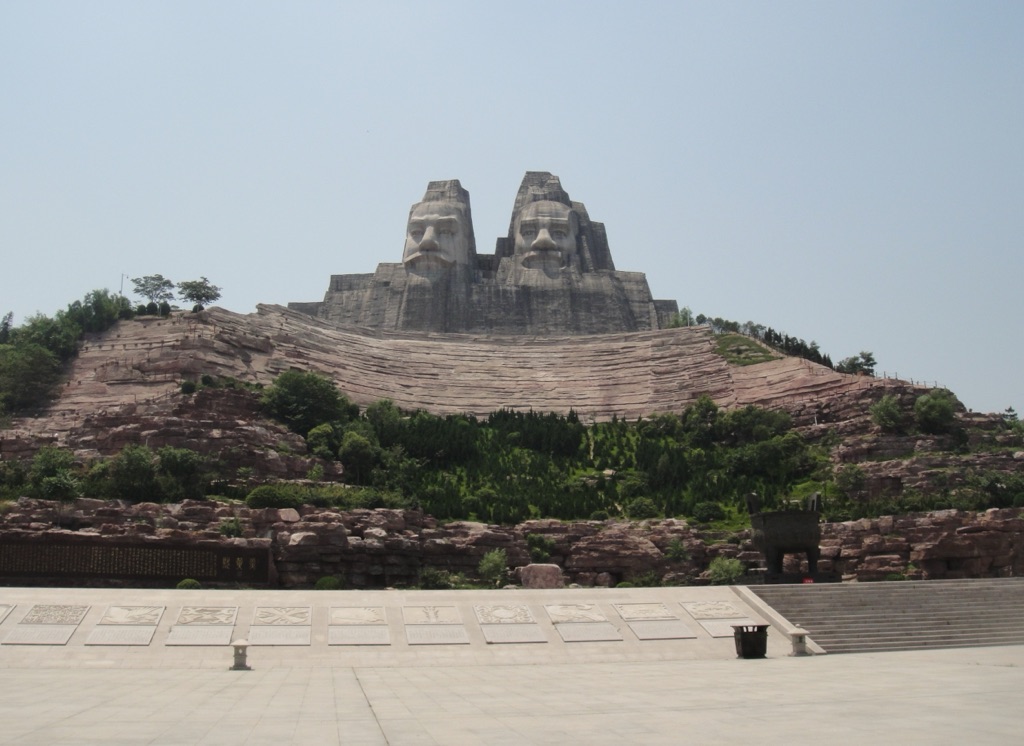 Statues and monuments have served as pivotal elements in human history, embodying the cultural, political, and social ethos of their times. These structures, ranging from the colossal statues of ancient deities to the intricate relief carvings found in medieval cathedrals, have been instrumental in commemorating significant events, venerating deities, and celebrating influential figures. The ancient Egyptians, for instance, erected monumental statues like the Great Sphinx of Giza around 2500 BC, not only as a testament to their architectural prowess but also as a symbol of royal authority and divine protection. Similarly, the Greeks elevated the practice of sculpting to honor their gods and heroes, with the Statue of Zeus at Olympia, crafted in the 5th century BC, being one of the most celebrated examples of ancient Greek sculpture.
List of Statues, Monuments, Stele, Sculptures and Relief Carvings
The Evolution of Sculptural Techniques
The evolution of sculptural techniques over the centuries reflects the changing artistic styles, materials, and technological advancements of different civilizations. The transition from the stylized forms of ancient Egyptian sculpture to the realism of classical Greek art marks a significant development in the history of sculpture. The Greeks’ mastery of bronze casting and their innovative use of contrapposto (a technique where the figure stands with most of its weight on one foot) introduced a dynamic realism to sculpture. The Roman Empire furthered these techniques, adding a level of individualism and detail in their portraits that has rarely been surpassed. In the medieval period, relief carvings became a prominent feature of Christian art, depicting biblical scenes and saints on the walls of churches and cathedrals, showcasing the period’s intricate craftsmanship and religious devotion.
The Role of Stele and Relief Carvings in Ancient Civilizations
Stele (plural: stelae), upright stone slabs adorned with inscriptions or carvings, served as important historical records and commemorative monuments in various ancient civilizations. The Mesopotamians, as early as the 3rd millennium BC, used stelae to mark the graves of the deceased or to commemorate military victories. One of the most famous examples is the Code of Hammurabi, dating to around 1754 BC, which is one of the earliest and most complete written legal codes. Relief carvings, which involve sculpting images that project from a flat background, were also widely used in ancient Egypt, Assyria, and Persia to depict narratives of gods, kings, and battles on temple walls, palaces, and public monuments, serving both an artistic and a documentary function. 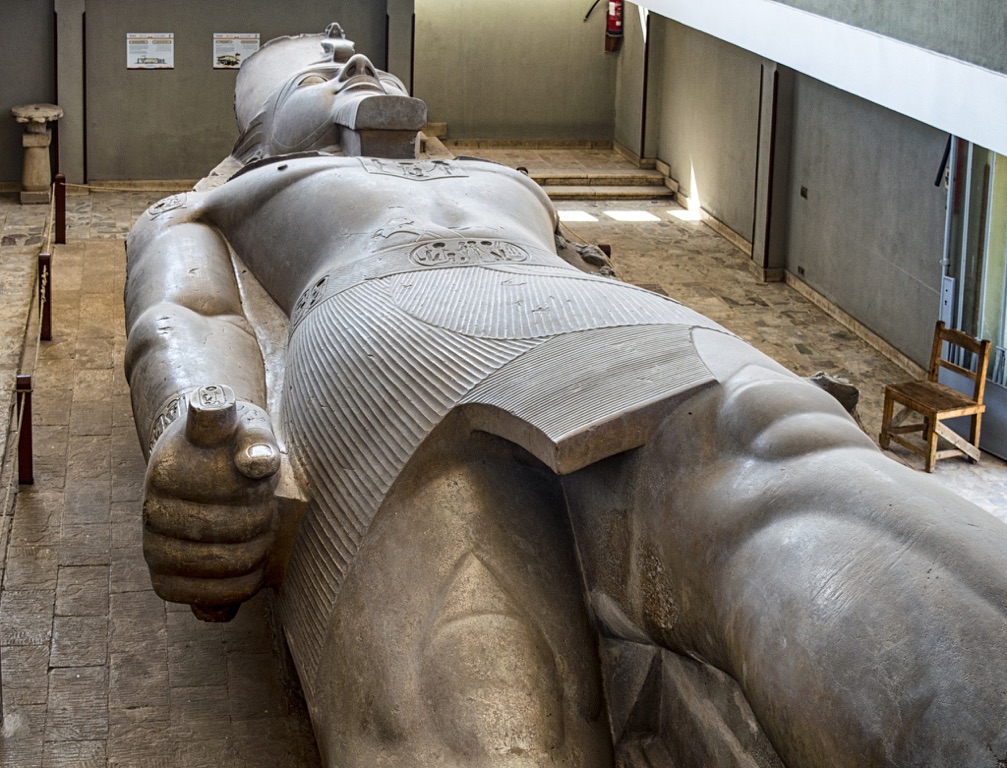
The Enduring Legacy of Historical Monuments
The enduring legacy of statues, monuments, and other sculptural works lies not only in their artistic merit but also in their ability to convey the values, beliefs, and historical narratives of the societies that created them. These structures continue to serve as a bridge to the past, offering insights into the technological capabilities, aesthetic sensibilities, and social hierarchies of ancient civilizations. Moreover, they play a crucial role in modern cultural identity and heritage, reminding us of our shared human history and the timeless nature of artistic expression. As such, the preservation and study of these monuments remain a vital aspect of historical scholarship, ensuring that future generations can appreciate and learn from the achievements of their predecessors.
-
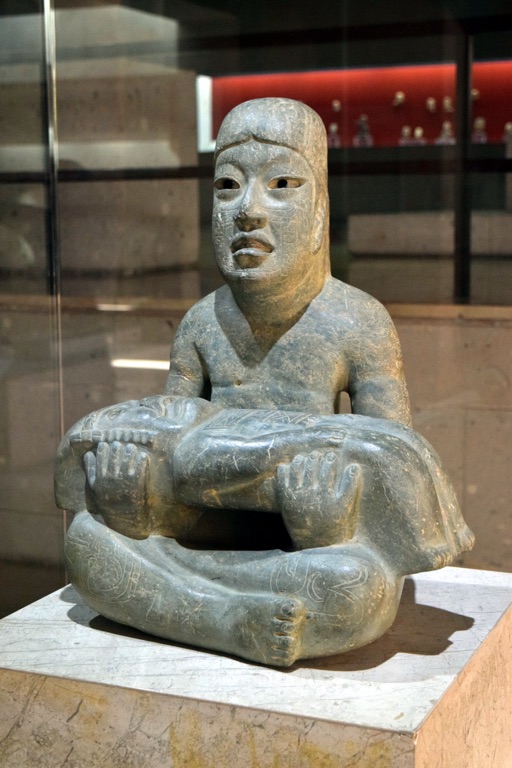
Las Limas Monument 1
Las Limas Monument 1 is a significant pre-Columbian artifact from the Olmec civilization. It is the largest Olmec sculpture ever discovered and…
-
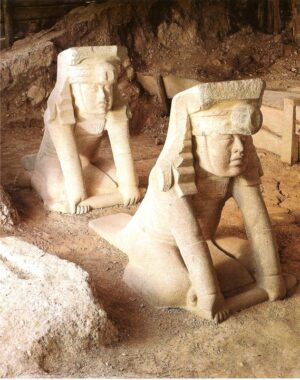
El Azuzul
El Azuzul is a significant archaeological discovery that consists of two Olmec colossal basalt statues found in the Gulf Coast of Mexico.…
-
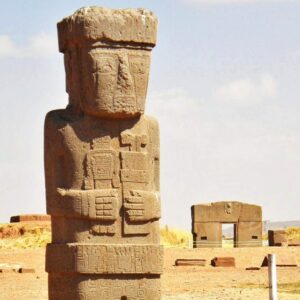
Ponce Monolith
The Ponce Monolith is a striking archaeological artifact from the ancient city of Tiwanaku, located in modern-day Bolivia. This intricately carved statue…
-
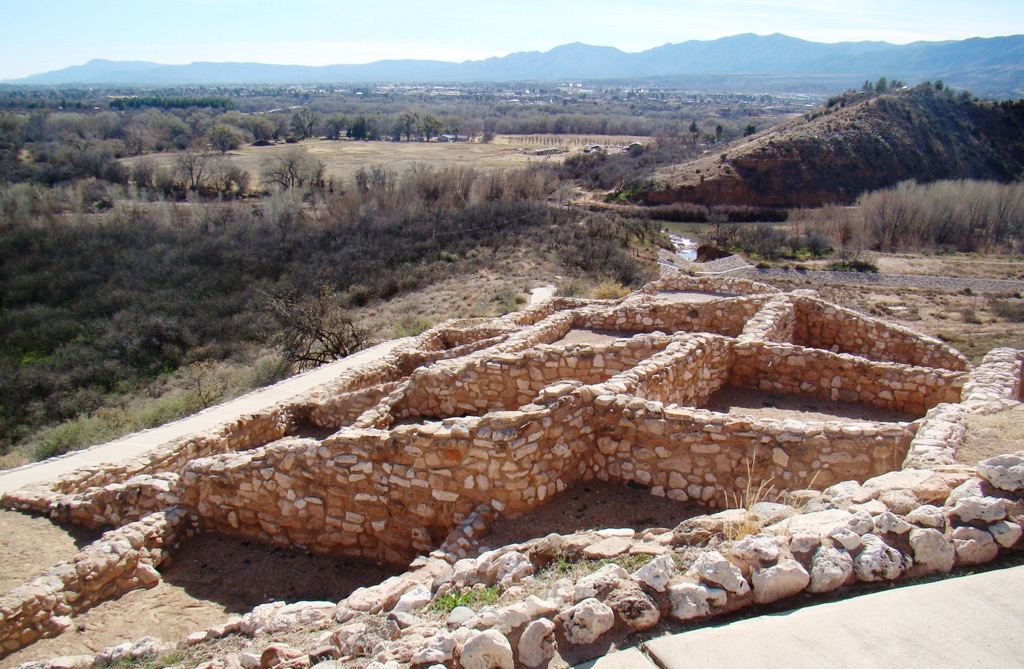
Tuzigoot National Monument
Tuzigoot National Monument preserves a 2- to 3-story pueblo ruin on the summit of a limestone and sandstone ridge just east of…
-
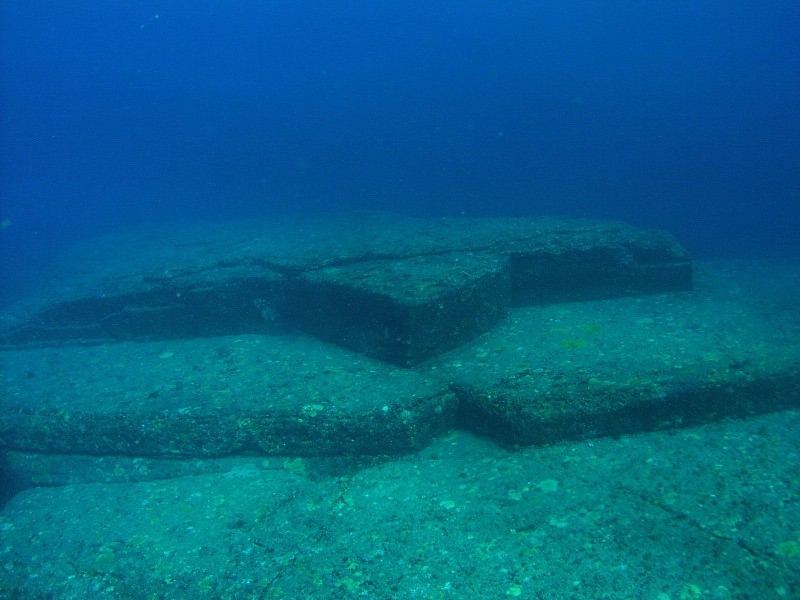
The Yonaguni Monument Ruins
At the edge of Japan, the mysterious Yonaguni Monument sparks curiosity and debate among scholars. Discovered in 1985 off the coast of…
-
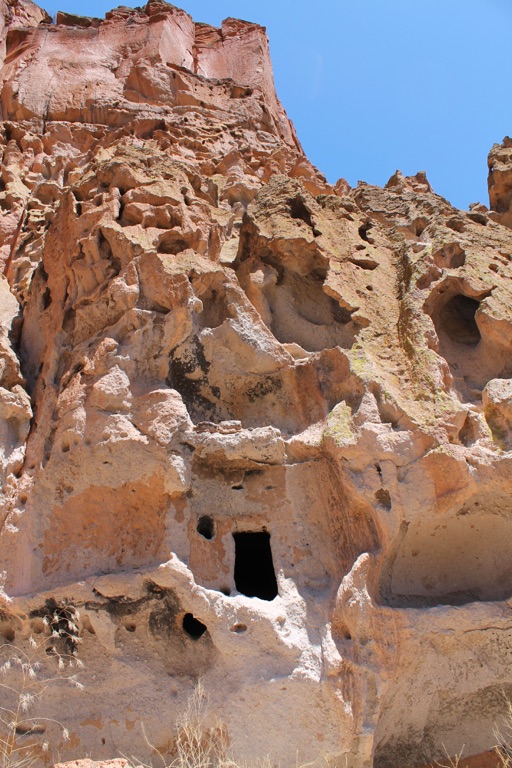
Bandelier National Monument
Nestled in the rugged landscapes of New Mexico, Bandelier National Monument offers a unique window into the lives of the Ancestral Puebloan…