Tuʻi Tonga Empire
The Tuʻi Tonga Empire: Expansion and Influence in Oceania
The Tuʻi Tonga Empire, often referred to in historical and cultural discussions, represents a significant period of Tongan expansionism and hegemony in Oceania. This era, beginning around 950 AD and reaching its zenith between 1200 and 1500 AD, marked Tonga’s dominance in the region, centered on the island of Tongatapu with its capital at Muʻa. The empire’s influence, as noted by modern researchers and cultural experts, was widespread, with evidence of transoceanic trade and the exchange of both material and non-material cultural artifacts.
Historical Overview
Beginning of Tongan Expansionism
The rise of the Tuʻi Tonga Empire coincided with the decline of Samoa’s Tui Manuʻa maritime empire. Around 950 AD, the first Tuʻi Tonga, ‘Aho’eitu, began to extend his influence beyond Tonga. Tongan and Samoan oral traditions suggest that ‘Aho’eitu was the progeny of the deity Tangaloa. The early Tongan kings considered the Manuʻa islands of Samoa sacred, reflecting the deep spiritual and cultural connections within the empire. By the reigns of the 10th Tuʻi Tonga, Momo, and his successor, Tuʻitātui, the empire had expanded significantly, incorporating much of the territories previously under the influence of the Tui Fiti and Tui Manuʻa, except for the Manuʻa group.
Expansion and Cultural Exchange (1200–1600 AD)
The empire’s expansion under Momo and Tuʻitātui saw the establishment of the ʻInasi tribute system, which consolidated Tonga’s control over its tributary chiefdoms. The empire’s wealth was significantly bolstered by its naval prowess, with large double-canoes facilitating extensive trade networks and military expeditions. Notably, Tongan voyages reached as far as the Tuvaluan archipelago, and Tongan influence was evident in the cultural and societal transformations in the Wallis and Futuna islands.
Decline and the Rise of New Dynasties
The decline of the Tuʻi Tonga Empire in the 13th or 14th centuries was precipitated by wars and internal strife, including significant losses to Samoan forces. This period saw the establishment of the Ha’a Takalaua dynasty by Kauʻulufonua I, which aimed to manage the empire’s day-to-day affairs, relegating the Tuʻi Tonga to a more spiritual role. The empire’s orientation became increasingly Samoan, with successive Tuʻi Tonga kings having Samoan lineage.
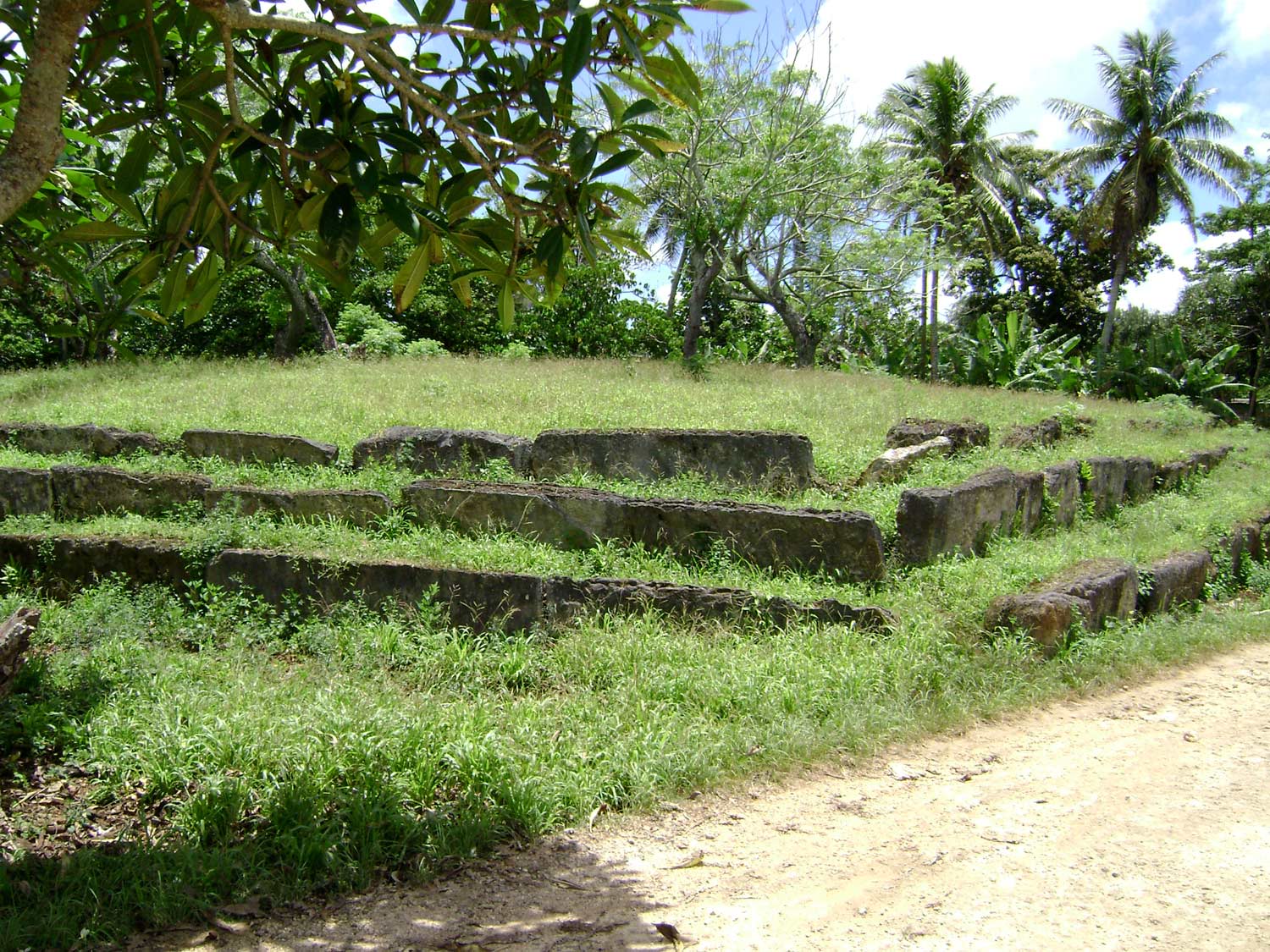
Samoan Influence and European Contact
The Tuʻi Kanokupolu dynasty, established in the early 17th century, marked a significant shift in Tongan governance, incorporating many Samoan policies and customs. The first European contact occurred in 1616 with the arrival of Dutch explorers, though these encounters did not significantly alter the course of Tongan history.
Modern Scholarship and Legacy
Contemporary archaeological, anthropological, and linguistic studies have confirmed the extensive cultural influence of the Tuʻi Tonga Empire across Oceania. While the term “empire” may be debated, the Tongan expansionism of this era undeniably shaped the cultural and political landscape of the Pacific, leaving a lasting legacy that continues to be studied and appreciated today.
The Tuʻi Tonga Empire’s history illustrates the complex interplay of cultural, spiritual, and political forces that shaped Oceania’s pre-colonial past. Its legacy, evident in the widespread Tongan cultural influence, underscores the significance of Tonga’s role in the region’s history.
-
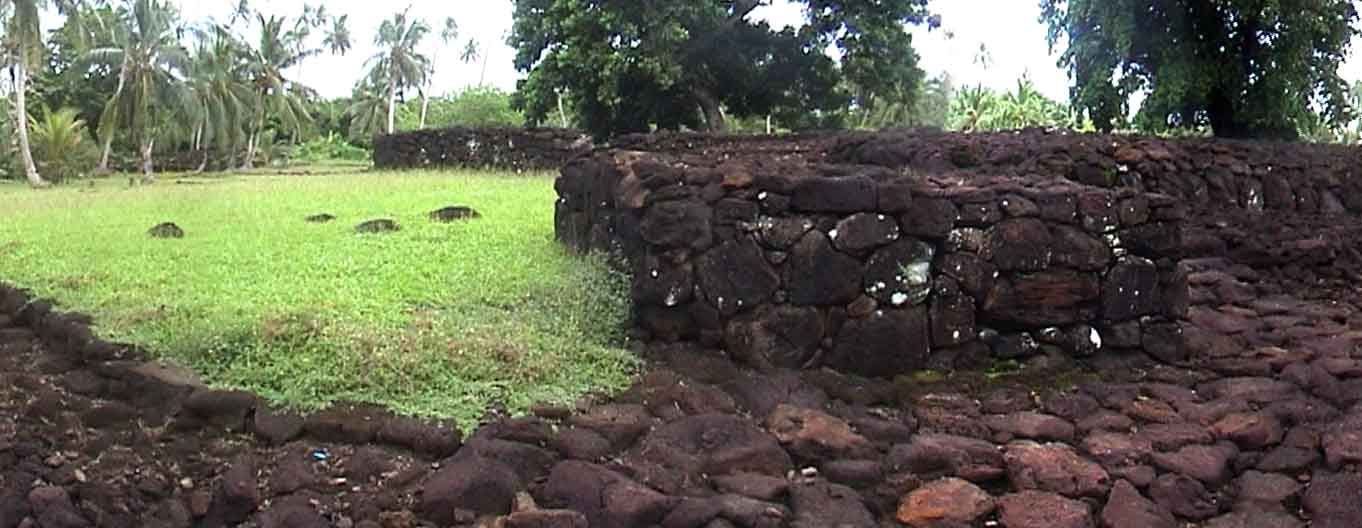
Talietumu Ruins
Talietumu, situated in the Mua District, holds a pivotal place in the historical and cultural landscape of the region. Located approximately 3…
-
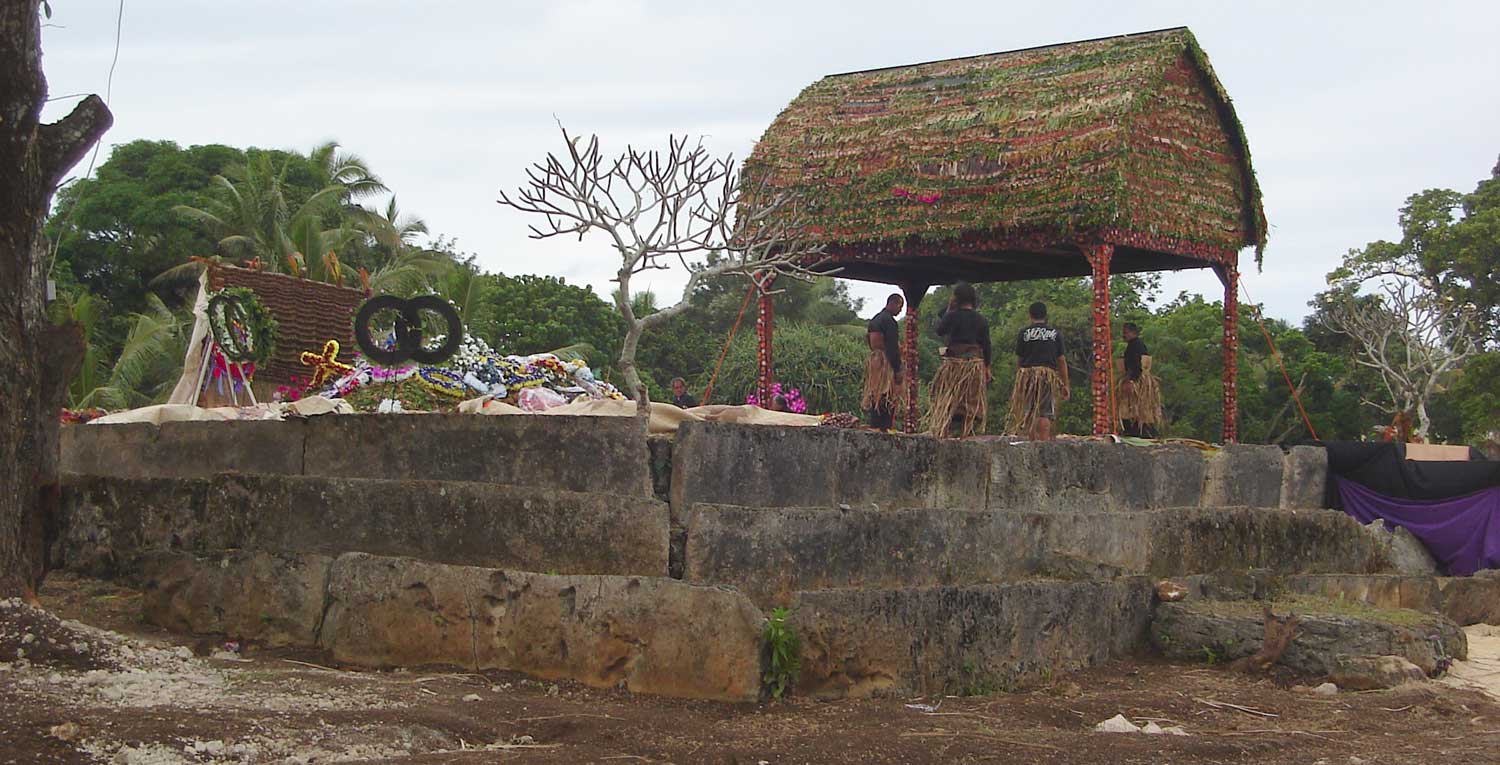
Langi Tombs
Muʻa, a small town in the Hahake district of Tongatapu, Tonga, holds a significant place in the history of the Tongan empire.…
-
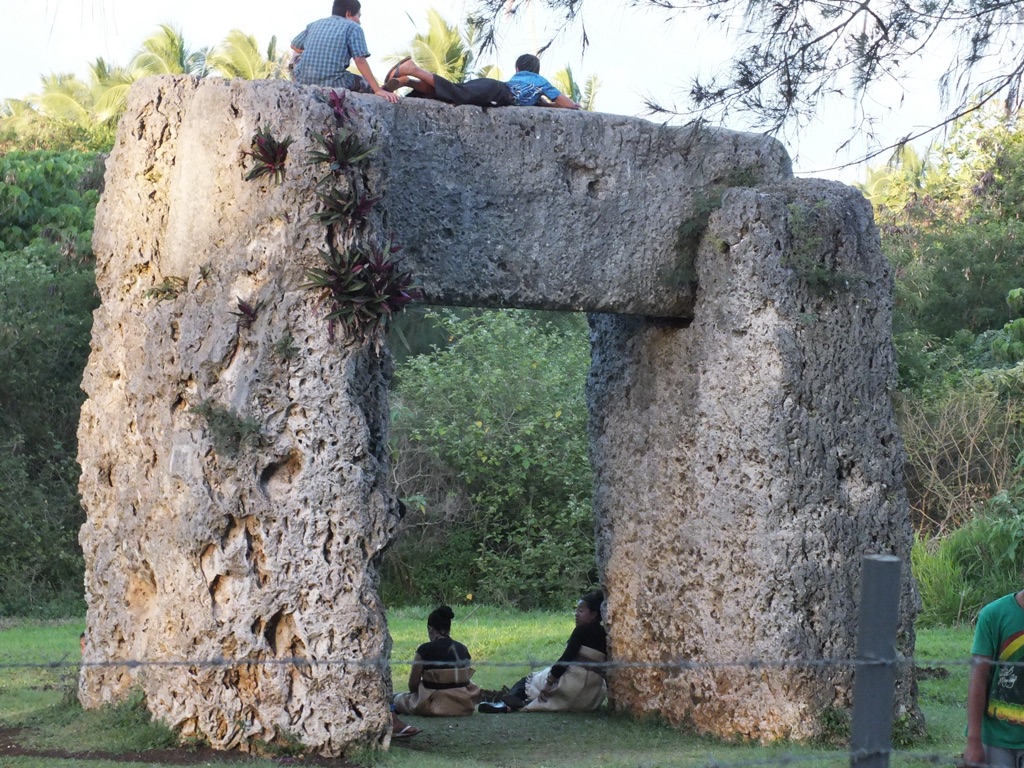
Haʻamonga ʻa Maui
The Haʻamonga ʻa Maui is a remarkable stone structure located in the Kingdom of Tonga. Often referred to as the ‘Stonehenge of…