Chichimeca people
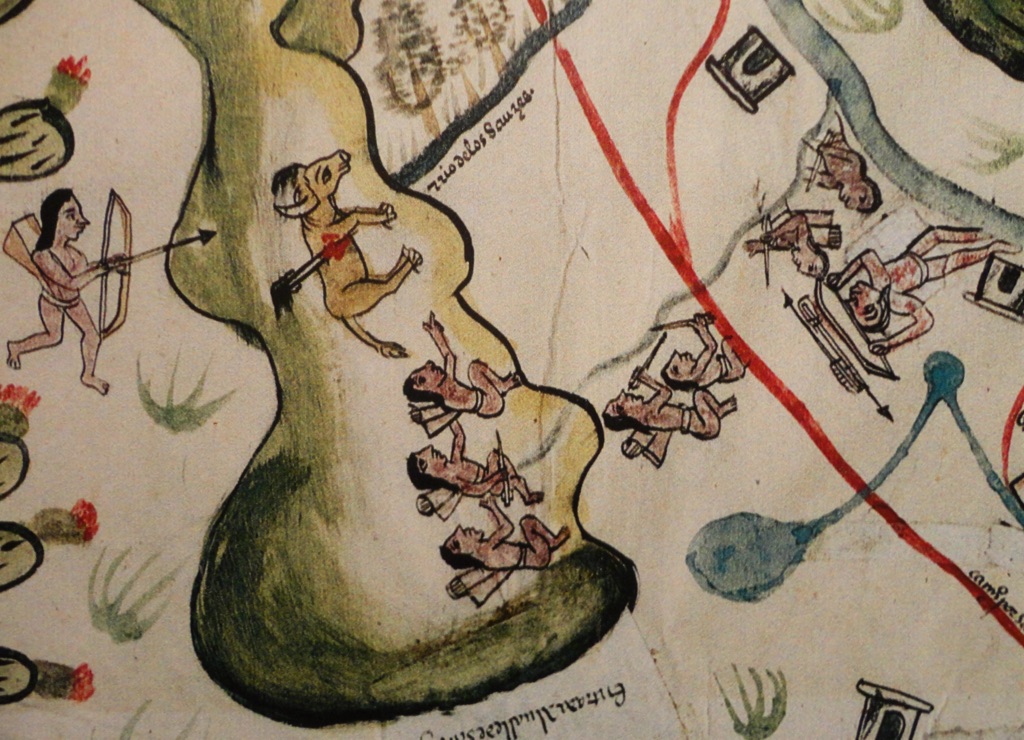
The Chichimeca people represent a collective term used to describe several indigenous groups that inhabited the arid and semi-arid regions of north-central Mexico, particularly in the area known today as the Mexican Plateau. This term was broadly used by the Mexica (Aztec) civilization and the Spanish colonizers to refer to the nomadic and semi-nomadic peoples living in these areas. The Chichimecas were not a single, unified group, but rather a diverse collection of tribes, including the Guachichiles, Pames, Zacatecos, and Guamares, among others. Their way of life, culture, and social organization varied significantly from one group to another.
Historically, the Chichimeca peoples are known for their fierce resistance against Spanish colonization in the late 16th and early 17th centuries, a period often referred to as the Chichimeca War. The Spanish encountered formidable resistance from these indigenous groups, who were adept at using the harsh landscape of the region to their advantage. The Chichimecas employed guerrilla tactics, including ambushes and hit-and-run attacks, which were highly effective against the Spanish forces and their indigenous allies. This resistance significantly delayed the Spanish colonization of north-central Mexico and led to a protracted conflict that lasted for decades.
The Chichimeca way of life was largely nomadic or semi-nomadic, with groups moving from place to place in search of food and water. Their diet primarily consisted of gathered wild plants, hunted game, and, for some groups, cultivated crops. The harsh environment of the Mexican Plateau shaped their survival skills, making them adept hunters and gatherers. Their social structure was generally egalitarian, with leadership roles often based on personal qualities and achievements rather than hereditary status.
Despite their resistance, the Chichimeca peoples eventually faced the overwhelming force of Spanish military technology and strategy. The turning point in the Chichimeca War came with the adoption of a more conciliatory approach by the Spanish, who began to use negotiation and peace treaties, coupled with the introduction of missionaries to promote Christianity. Over time, this led to the gradual assimilation of the Chichimeca peoples into colonial society, although this process was uneven and varied greatly among the different groups.
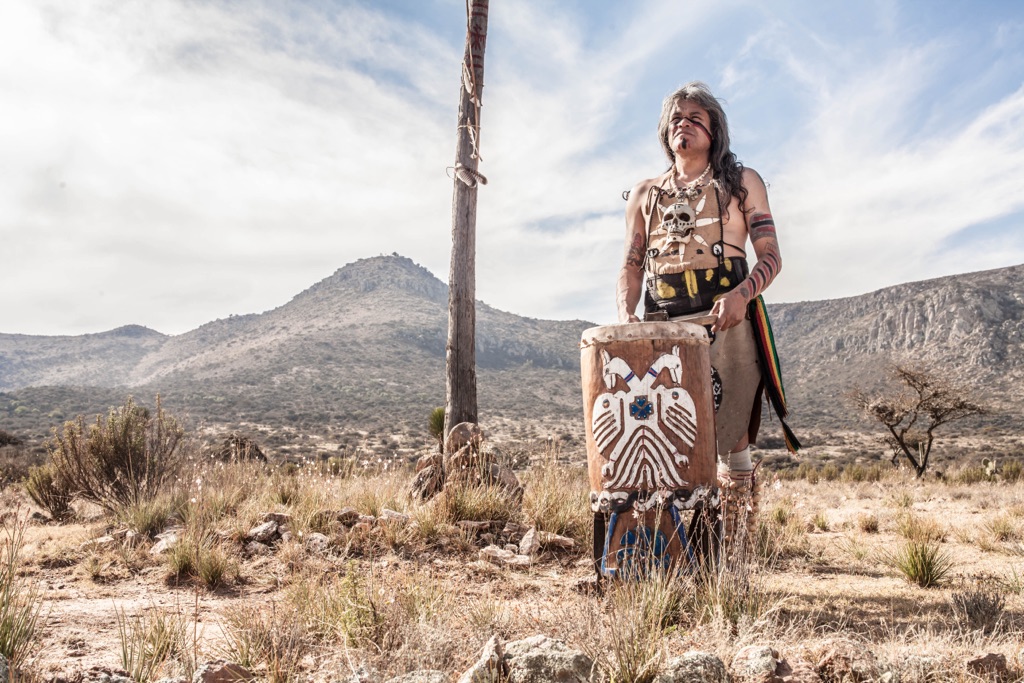
The legacy of the Chichimeca peoples is still evident today in the cultural and genetic makeup of north-central Mexico. Many contemporary Mexican citizens can trace their ancestry back to these indigenous groups. Additionally, some of the Chichimeca languages and traditions have survived and are still practiced in certain communities, although they have evolved and blended with Spanish influences over the centuries.
Understanding the history and culture of the Chichimeca peoples is crucial for appreciating the rich tapestry of Mexico’s indigenous heritage. Their resilience in the face of colonization, their adaptation to a challenging environment, and their impact on the course of Mexican history are testament to their enduring legacy. The story of the Chichimeca peoples is a reminder of the complexity and diversity of indigenous cultures in Mexico before and after the arrival of Europeans.
-
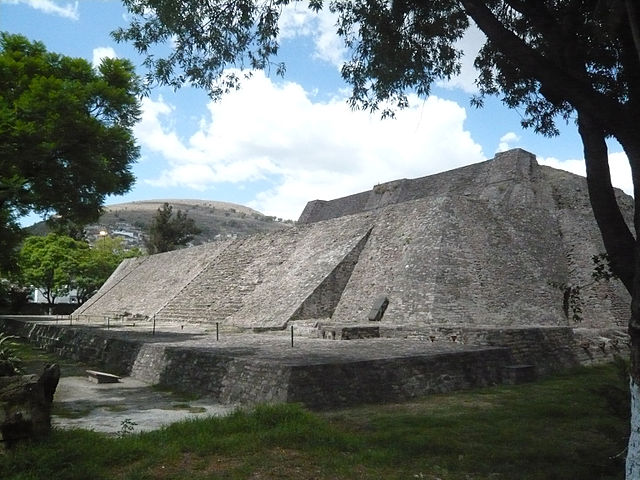
Tenayuca – The Chichimeca Archaeological site in Mexico
Tenayuca, located in Mexico, is a historical site of immense significance. Known for its ancient pyramid, it is a reflection of the…
-
 Chichimeca people, Historical Places, Monumental Structures, Pyramids, Teotihuacan civilization, The Aztec Empire
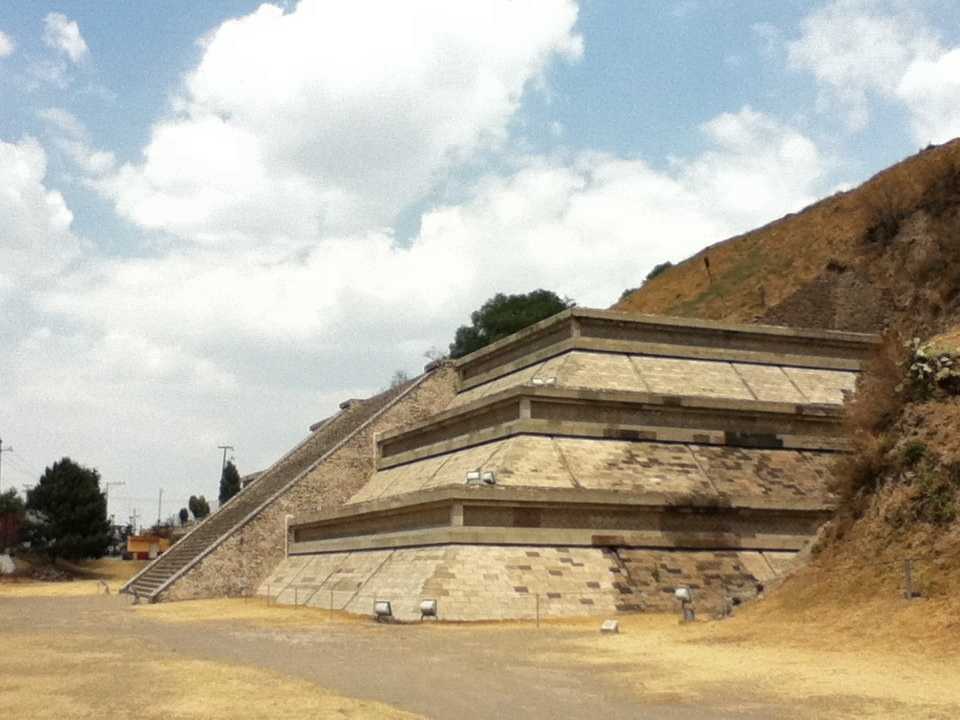
The Great Pyramid of Cholula (Tlachihualtepetl)
Located in the Mexican state of Puebla, the Great Pyramid of Cholula, also known as Tlachihualtepetl (Nahuatl for “made-by-hand mountain”), is a…
-
Cuauhtinchan
Cuauhtinchan, also known as Cuauhtinchan Archeological Zone, is an ancient Mesoamerican site located in the state of Puebla, Mexico. The site is…