Historical Periods
Introduction to the Majesty of Historical Periods
Begin your page with an introduction that captures the grandeur and mystery of human history. You might write, “From the ancient whispers of Mesopotamia to the bustling streets of Renaissance Florence, history is a mosaic of periods that together tell the story of humanity. Each era, marked by its triumphs, tragedies, and transformations, invites us on a journey to understand our past and, in doing so, ourselves. This page is dedicated to exploring these fascinating periods, shedding light on the forces that shaped them and the legacies they have left behind.”
The Cradle of Civilization: Mesopotamia and the Ancient World
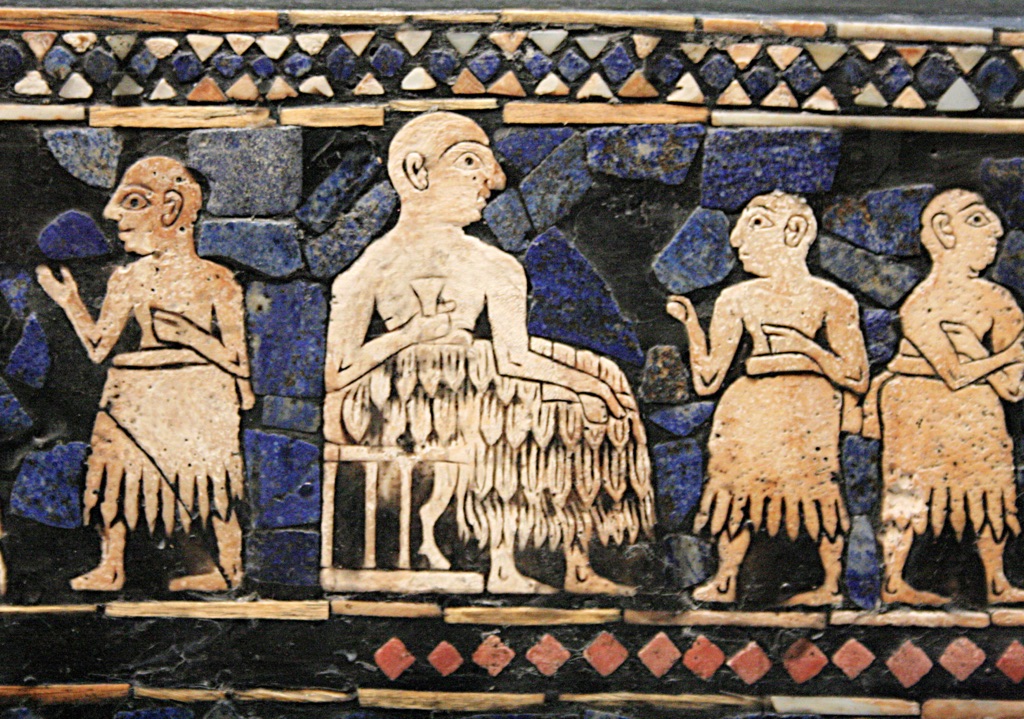
Dive into history with a section on the ancient world, focusing on Mesopotamia as the cradle of civilization. “In the fertile crescent of the Middle East, where the Tigris and Euphrates rivers flow, humanity laid the foundations of the first cities. Mesopotamia, a land of bustling marketplaces, majestic ziggurats, and the earliest forms of writing, set the stage for future civilizations. This period, rich in innovation and culture, saw the rise of empires, the codification of laws, and the creation of epic literature, such as the ‘Epic of Gilgamesh,’ that still resonates today.”
The Middle Ages: A Tapestry of Feudalism, Faith, and Fiefdoms
Transition to the Middle Ages, a period often misunderstood as dark and stagnant, but in reality, full of dynamism and change. “The Middle Ages, stretching from the fall of the Roman Empire to the dawn of the Renaissance, was a time of profound transformation. Europe, fragmented into myriad kingdoms and fiefdoms, was bound by the feudal system and the pervasive influence of the Church. Yet, it was also a period of innovation, with the construction of towering cathedrals, the establishment of universities, and the tales of chivalry that inspired a new code of ethics. The Crusades, meanwhile, opened channels of trade and cultural exchange with the East, setting the stage for the Renaissance.” 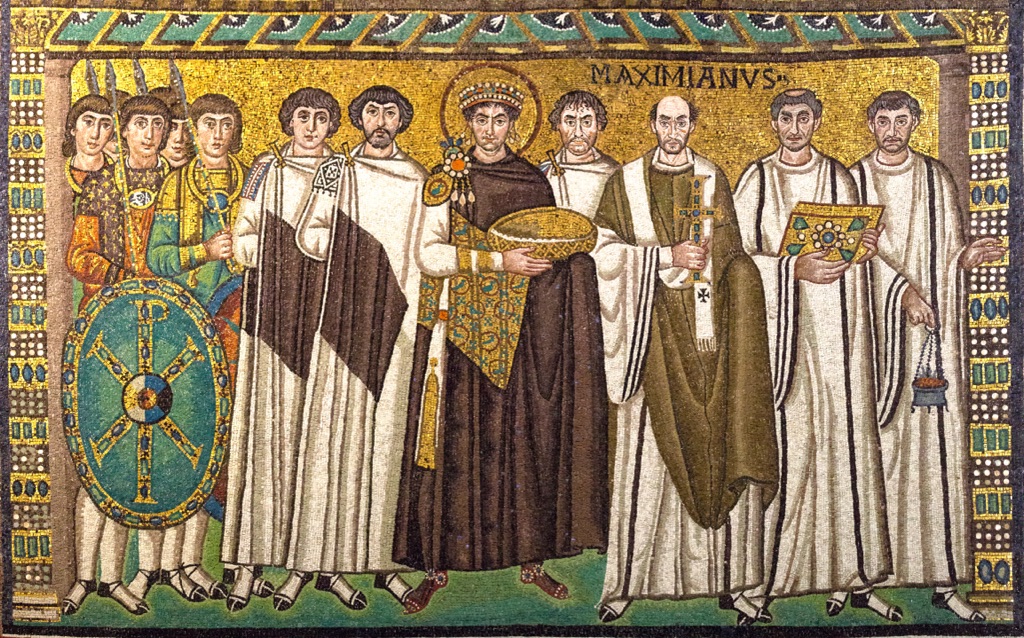
The Renaissance: Rebirth of Art and Knowledge
Conclude with the Renaissance, emphasizing its role as a bridge between the medieval and modern worlds. “The Renaissance, a luminous era of art and intellect, heralded a rebirth of classical knowledge and the emergence of humanism. Centered in Italy but spreading across Europe, this period gave rise to luminaries like Leonardo da Vinci, Michelangelo, and Shakespeare, whose works transcended time. The invention of the printing press revolutionized the dissemination of knowledge, making it accessible to a broader audience and fueling the scientific and cultural advancements that would pave the way for the modern age.” By weaving together the narratives of these periods, your blog page will not only educate but also inspire your readers to delve deeper into the stories of our shared past.
Explore Periods throughout History
-
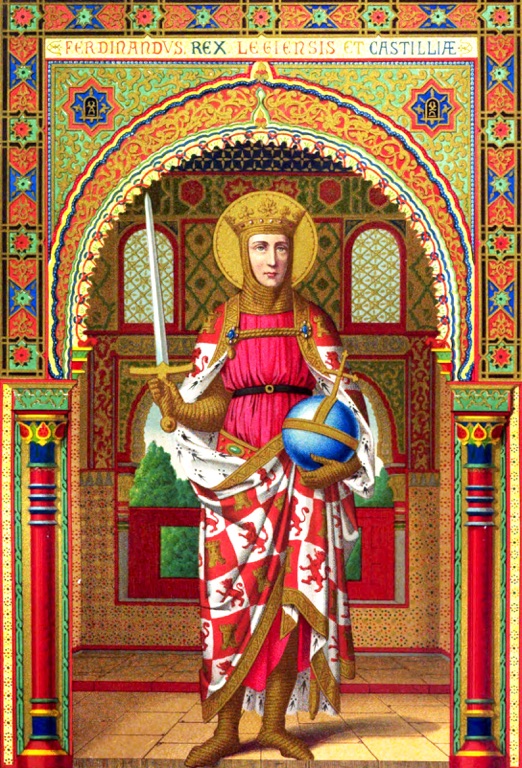
Tracing the Transformation of Europe During the Medieval Era
The Middle Ages paints a picture of Europe between two significant periods in history. During the medieval period, European life went through…