Kushite Empire
The Kingdom of Kush was a formidable state situated south of Ancient Egypt, in what is today northern Sudan. Flourishing from around 1070 BCE to 350 CE, the Kushites established their own dynasties and even ruled Egypt as Pharaohs during the 25th Dynasty. Their kingdom was famed for its wealth, which was largely attributable to its strategic location along major trade routes and its rich gold mines. The ancient capital of Kush was Napata, followed by Meroë, known for its iron production and manufacturing. The kingdom’s culture was deeply influenced by Egypt, as seen in the Kushites’ art, religion, and use of hieroglyphics, but it also developed its own distinct identity over time.
The kingdoms of Kush were renowned for monumental architecture, including large pyramids they built for the burial of their kings and queens, despite these being smaller in scale compared to Egyptian ones. The ancient kingdom of Kush possessed a sophisticated society with a centralized administration, its own script known as Meroitic, after their capital city Meroë, and a unique pantheon of gods. The decline of the Kushite kingdom began with the rise of the Aksumite Empire and increased desertification of the area. Despite this, the rich legacy of the Kingdom of Kush is critical to understanding the historical development of sub-Saharan Africa and its interactions with the civilizations of the Mediterranean and the Middle East. The ruins of the Kingdom, especially the impressive pyramids and palaces, continue to be a subject of archaeological research and fascination.
The Kingdom of Kush was particularly known for its remarkable achievements in architecture and metallurgy. Historical sites, such as the pyramids at Meroë, stand as testaments to the advanced engineering and construction techniques of the Kushites. These historical places not only highlight the kingdom’s architectural prowess but also its cultural depth, as the pyramids were intricately designed with both Egyptian and indigenous influences. Furthermore, Kush’s strategic control over the Nile facilitated trade, allowing it to become a hub for commerce and interaction between Africa, the Mediterranean, and the Middle East, enriching its culture and economy.
The fall of the Kingdom of Kush can be attributed to several factors, including over-exploitation of resources, military pressure from the Roman Empire and later the Aksumite Empire, and environmental changes that led to increased desertification. These challenges weakened Kush’s economic base and its ability to maintain its political and military power in the region. The rise of the Aksumite Empire, in particular, marked a significant shift in trade routes that bypassed Kush, further diminishing its economic strength and leading to its eventual decline.
Regarding the relationship between Kush and Nubia, it is essential to understand that “Nubia” is a term that has been used to describe the region along the Nile between Aswan in southern Egypt and Khartoum in Sudan. This area encompasses the Kingdom of Kush, making Kush a part of Nubia. Therefore, while all of Kush can be considered Nubia, not all of Nubia was part of the Kushite kingdom. The terms are often used interchangeably, but they refer to different scopes of geography and history.
The Kushites were a Nubian people, and their physical appearance, as depicted in ancient artworks, suggests they were of Sub-Saharan African origin. The race of the Kushites, like many ancient peoples, was diverse, reflecting the various interactions and migrations in the region over centuries. However, it is clear from historical and archaeological evidence that the Kushites identified more closely with Sub-Saharan African cultures and peoples, distinguishing them from their northern neighbors, the Egyptians. This distinction was not just racial but also cultural, as the Kushites developed a unique identity that was both influenced by and distinct from Egyptian civilization.
Explore The Kushite Archaeological Sites and Artifacts from the Kingdom of Kush
-
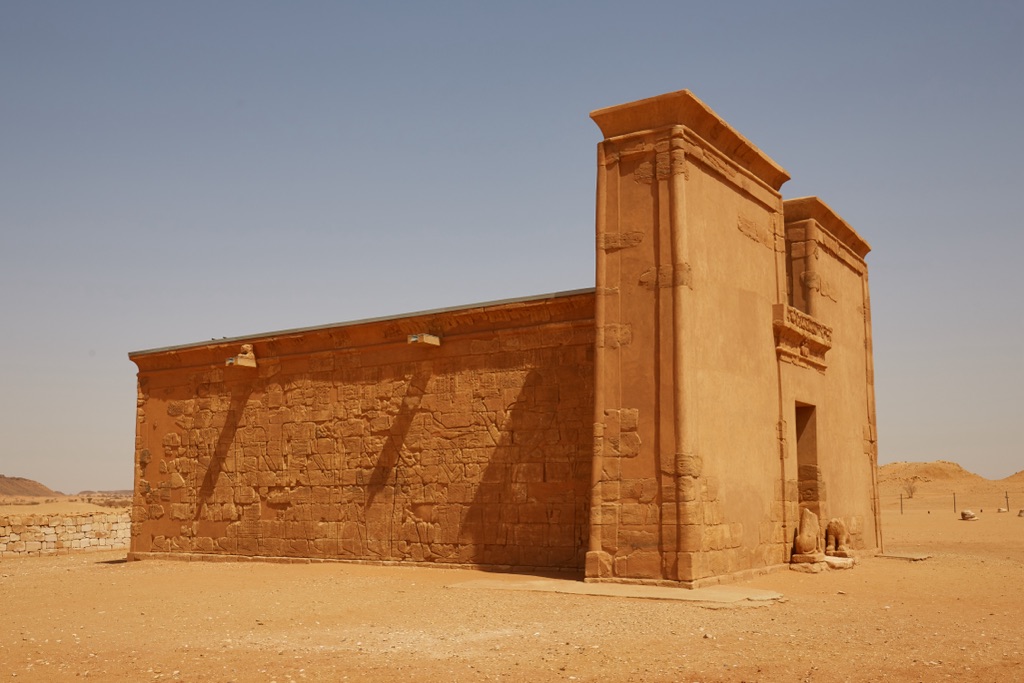
Musawwarat es-Sufra
Musawwarat es-Sufra is an archaeological site located in Sudan, known for its vast ruins that date back to the Meroitic period. The…
-
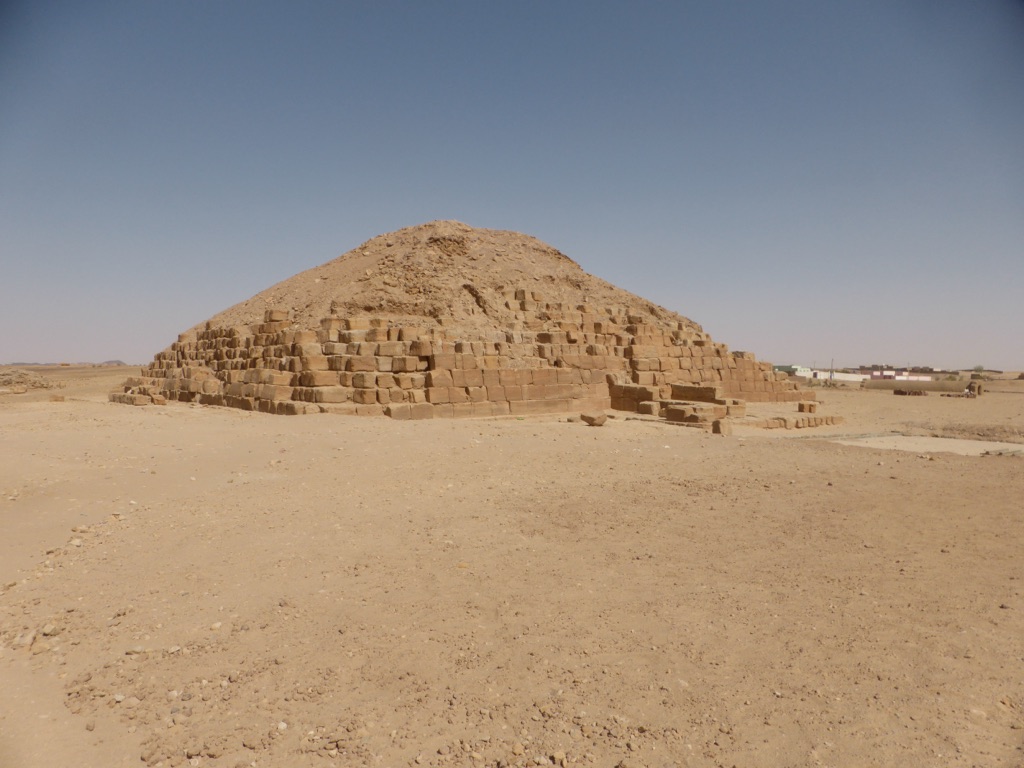
Pyramids at El-Kurru
The Pyramids at El-Kurru form a royal cemetery that includes some of the earliest pyramids built in Sudan. They served as the…
-
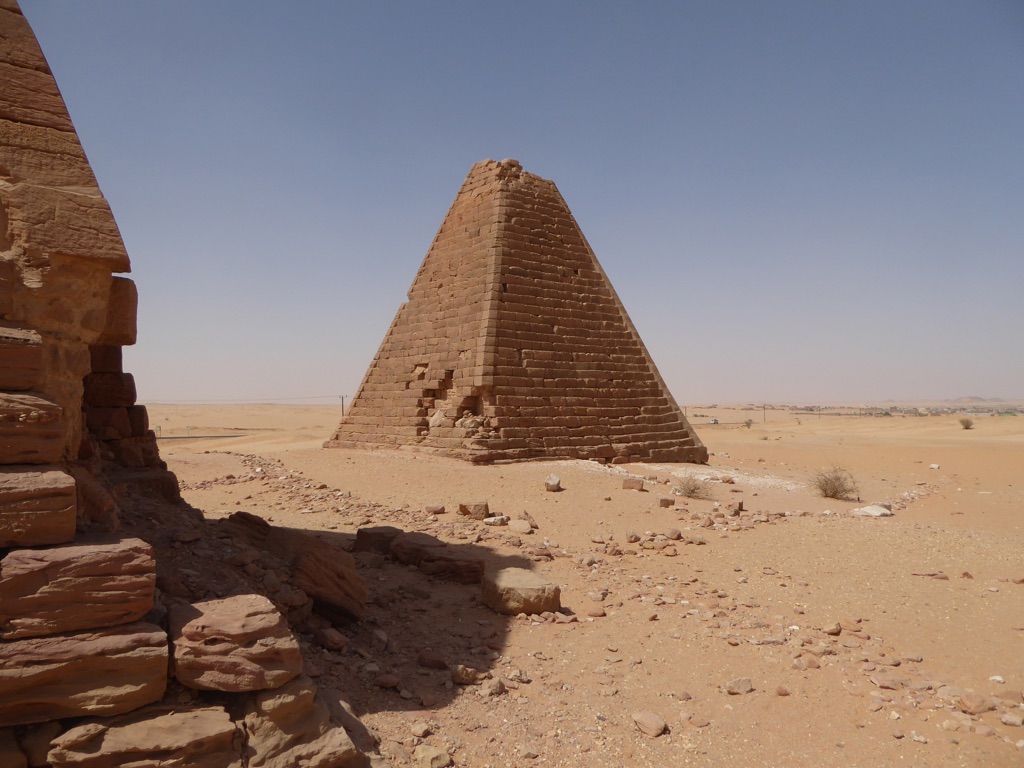
Pyramids at Jebel Barkal (Gebel Barkal)
The Pyramids at Jebel Barkal are a testament to the ancient kingdom of Kush’s grandeur. Nestled in modern-day Sudan, these structures stand…
-
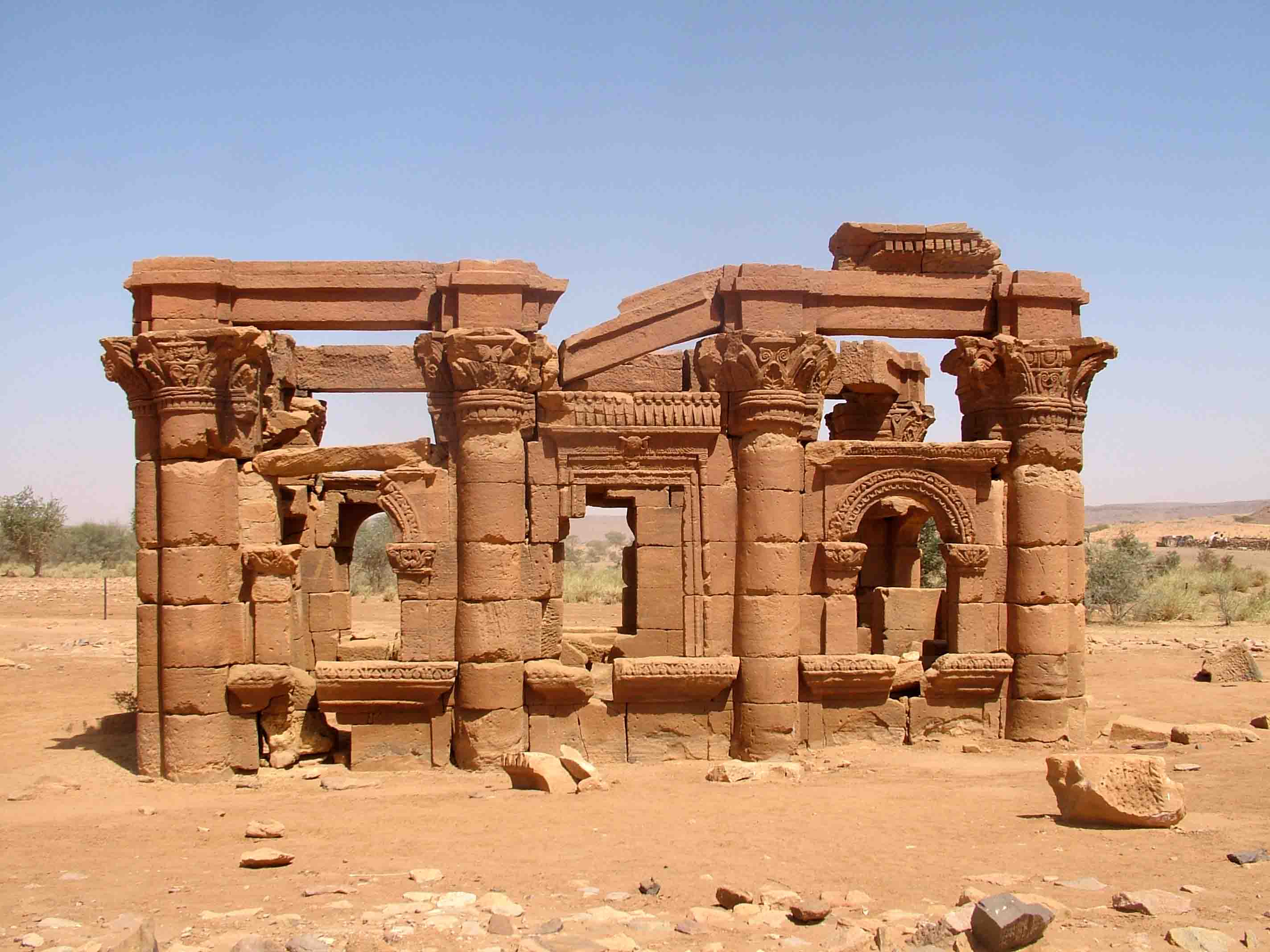
Naqa
Naqa, a once-flourishing center of the Meroitic Kingdom, lies in modern-day Sudan. This ancient city, with its blend of Egyptian, Roman, and…
-
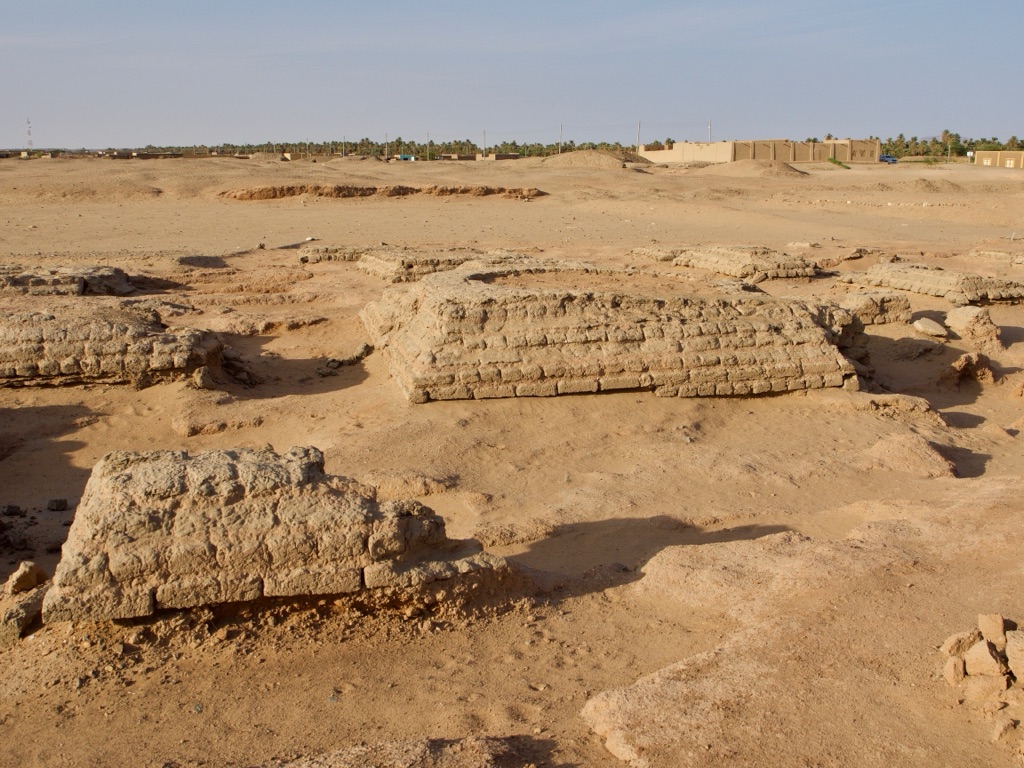
The Sedeinga pyramids
The Sedeinga pyramids are a collection of ancient structures located in Sudan. They are part of a necropolis that dates back to…
-
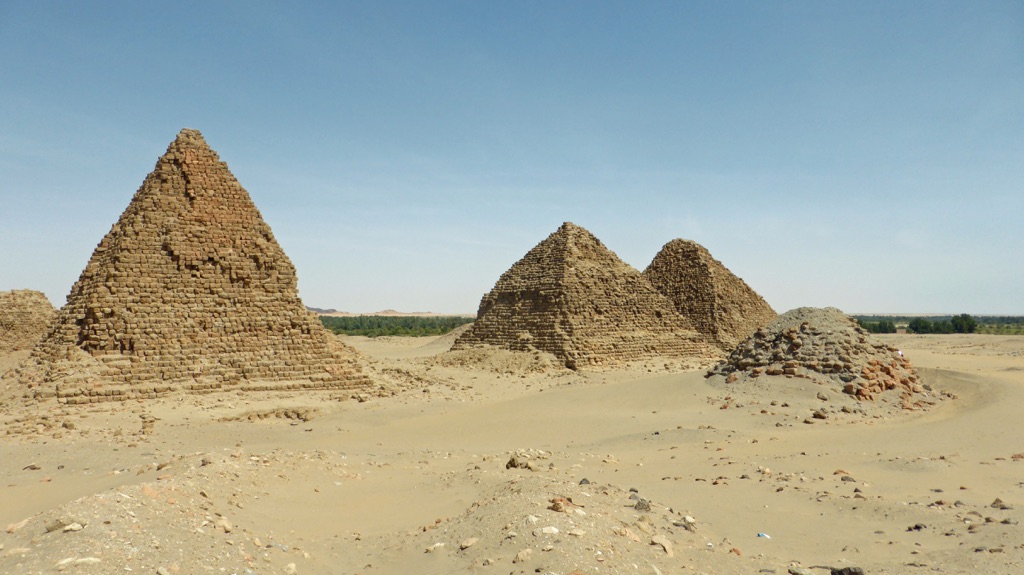
Nuri Pyramids
The Nuri Pyramids, a captivating cluster of ancient structures, lie in the heart of Sudan’s desert. These pyramids served as the burial…