Chavin culture
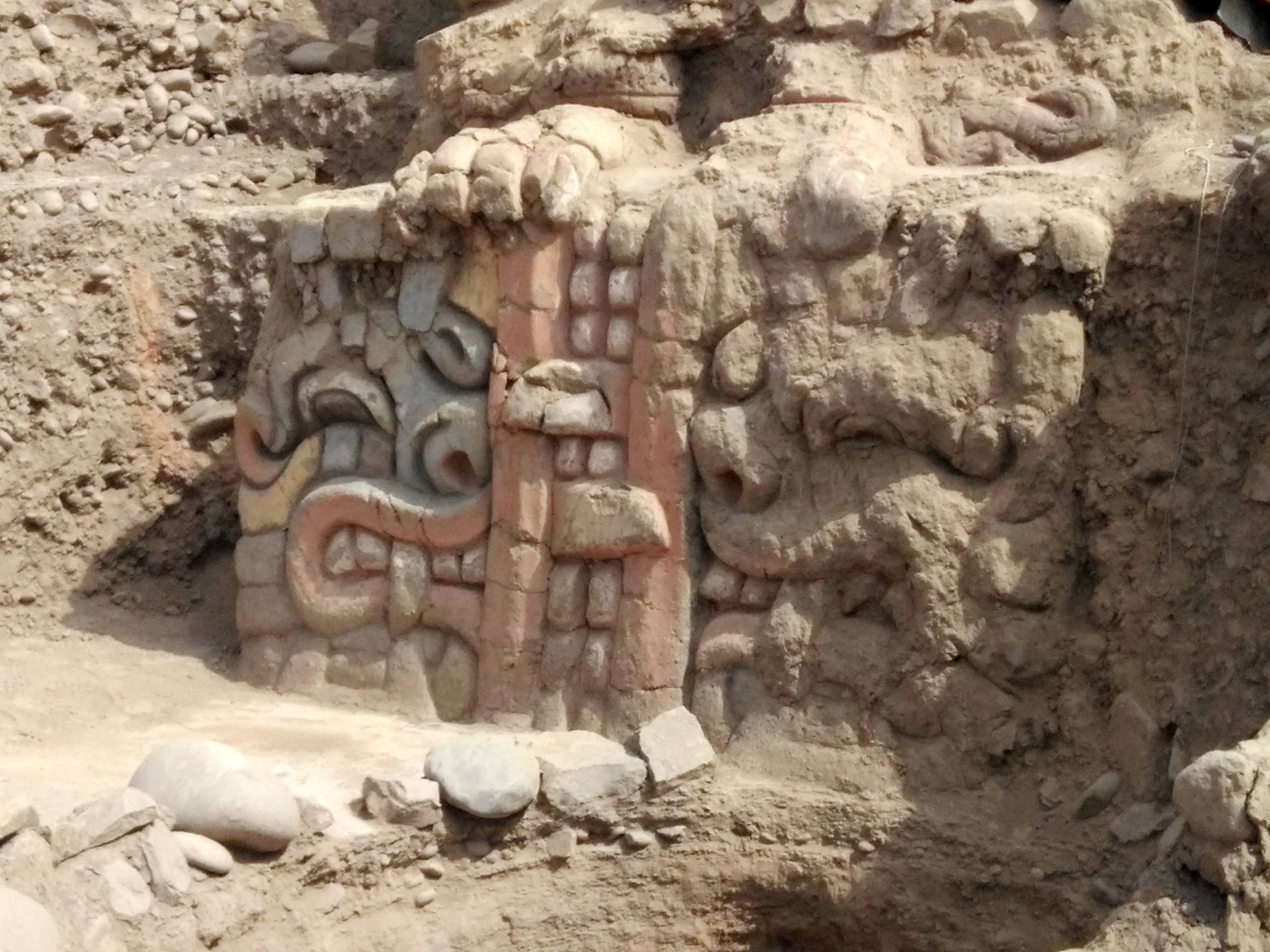
The Chavín culture, flourishing during the Early Horizon period from 1200 BC to 400 BC, represents a significant chapter in the pre-Columbian history of Peru. Centered in the town of Chavín de Huántar, located near the confluence of the Huachecsa and Mosna rivers in the upper basin of the Marañón River, this culture laid foundational stones for the Andean civilizations that followed.
Origin and Development
The term “Chavín culture” is distinct from the “Chavinoid” artistic spectrum, which includes expressions predating Chavín itself. The culture’s development is traditionally viewed as a “cultural horizon” due to its widespread artistic and religious influences on contemporary cultures. This period saw an intensification of religious worship, the emergence of ceramics linked to ceremonial centers, advancements in agriculture, and the beginnings of metallurgy and textile production.
Julio César Tello Rojas, the archaeologist who discovered the Chavín culture, initially proposed its Amazonian origins based on the jungle iconography prevalent in its art, particularly ceramics. However, it’s now recognized that the Caral civilization predates Chavín, challenging Tello’s theory of Chavín as the “mother of Andean civilizations.”
Geographic Spread and Activities
The Chavín culture’s influence extended across the Andean region, from the north to the current Peruvian departments of Lambayeque and Cajamarca, and south to Ica and Ayacucho. This pan-Andean culture was characterized by advanced agriculture, livestock farming, and trade based on barter. They cultivated a variety of crops, including corn and potatoes, and developed livestock farming centered on South American camelids.
Artistic and Cultural Manifestations
Chavín art, recognized for its “mythical realism,” depicts complex interactions between humans and animals, reflecting the culture’s social interconnections and religious beliefs. The use of psychoactive plants in ritual, evidenced by the depiction of the San Pedro cactus, highlights the spiritual practices of the Chavín people.
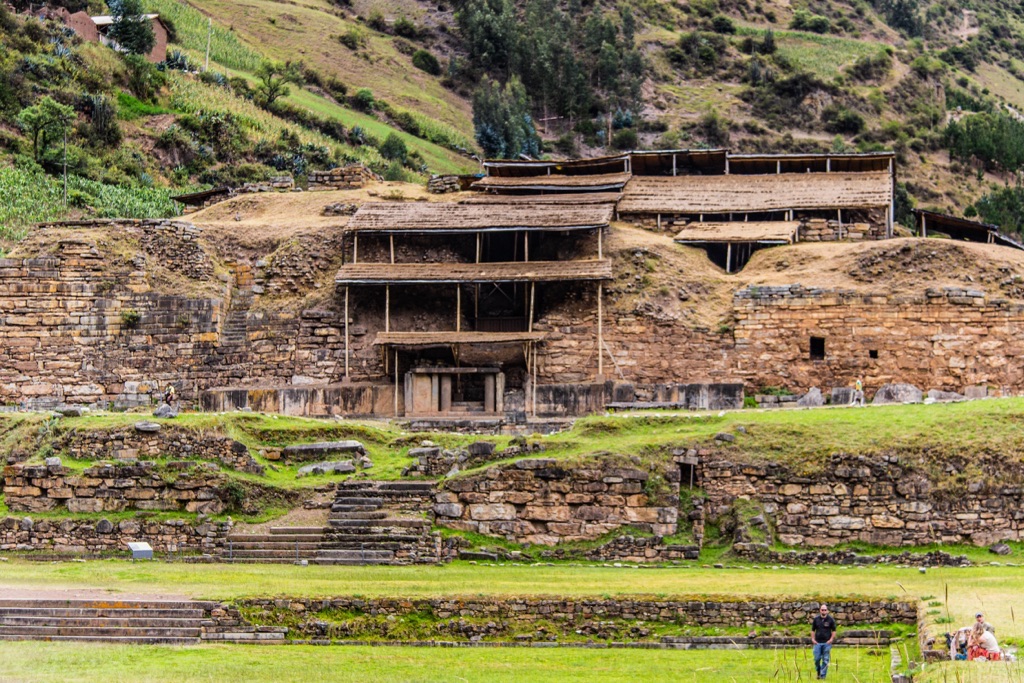
The ceremonial center of Chavín de Huántar, a current World Cultural Heritage site, was an important hub for cultural and religious activities. Key artifacts from this site include the Tello Obelisk, the Cabezas Clavas, and the Lanzón, each embodying the intricate iconography and religious significance of the Chavín culture.
Architectural Achievements
Chavín de Huántar’s architecture, comprising internal galleries and external plazas and terraces, is considered an engineering achievement. The construction of the “Old Temple” and the “New Temple” reflects a sophisticated understanding of design and planning, with a focus on religious structures rather than residential or occupational buildings.
Language and Religion
The language of the Chavín culture remains unknown, with some anthropologists suggesting a possible relation to proto-Quechua. The culture’s religion, characterized by polytheism and a priestly caste, centered around deities with feline, caiman, and snake features, reflecting Amazonian influences. The use of hallucinogenic substances in religious rituals suggests a deep spiritual connection to the natural world.
Chavín culture Archaeological sites and Artifacts
-
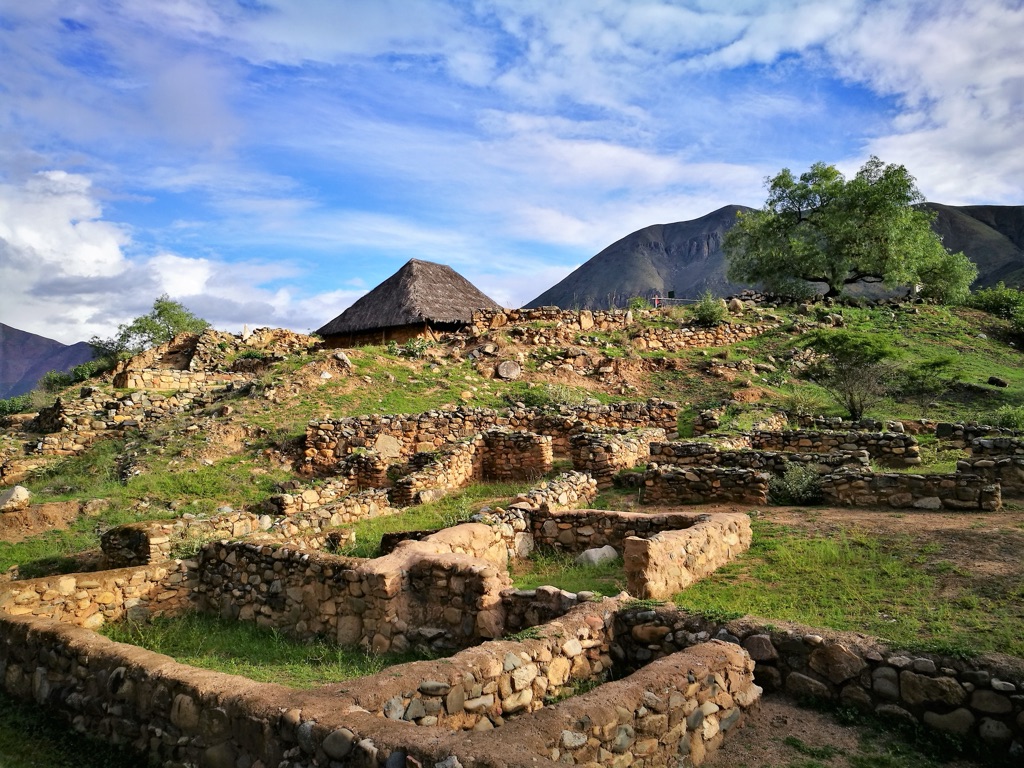
Kotosh
Kotosh is a significant archaeological site located in the highlands of central Peru. Known for its ancient temple structures, it provides valuable…
-
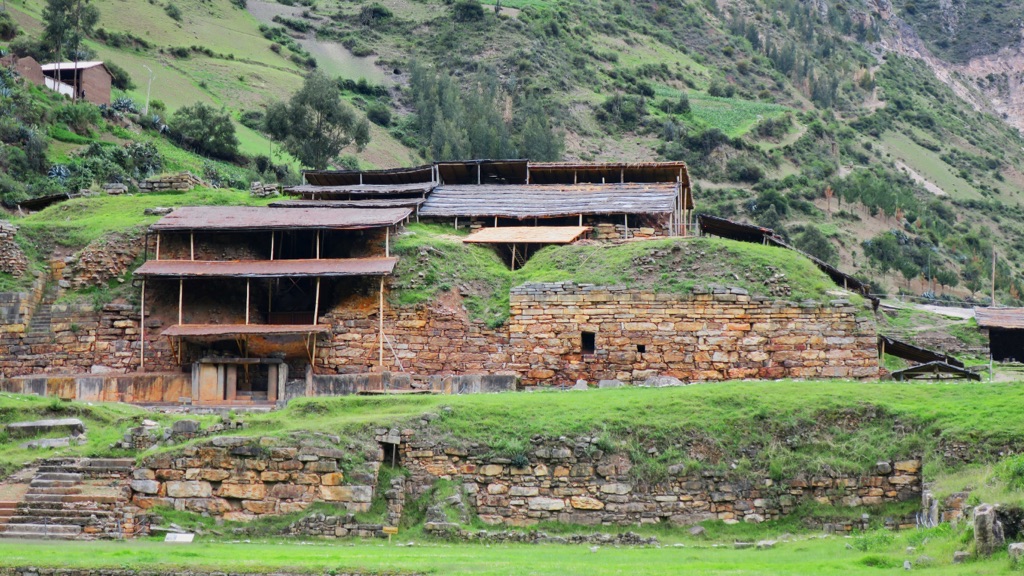
Chavin de Huantar
Chavin de Huantar is a marvel of ancient engineering and religious significance. This pre-Columbian archaeological site, nestled in the Peruvian Andes, captures…
-
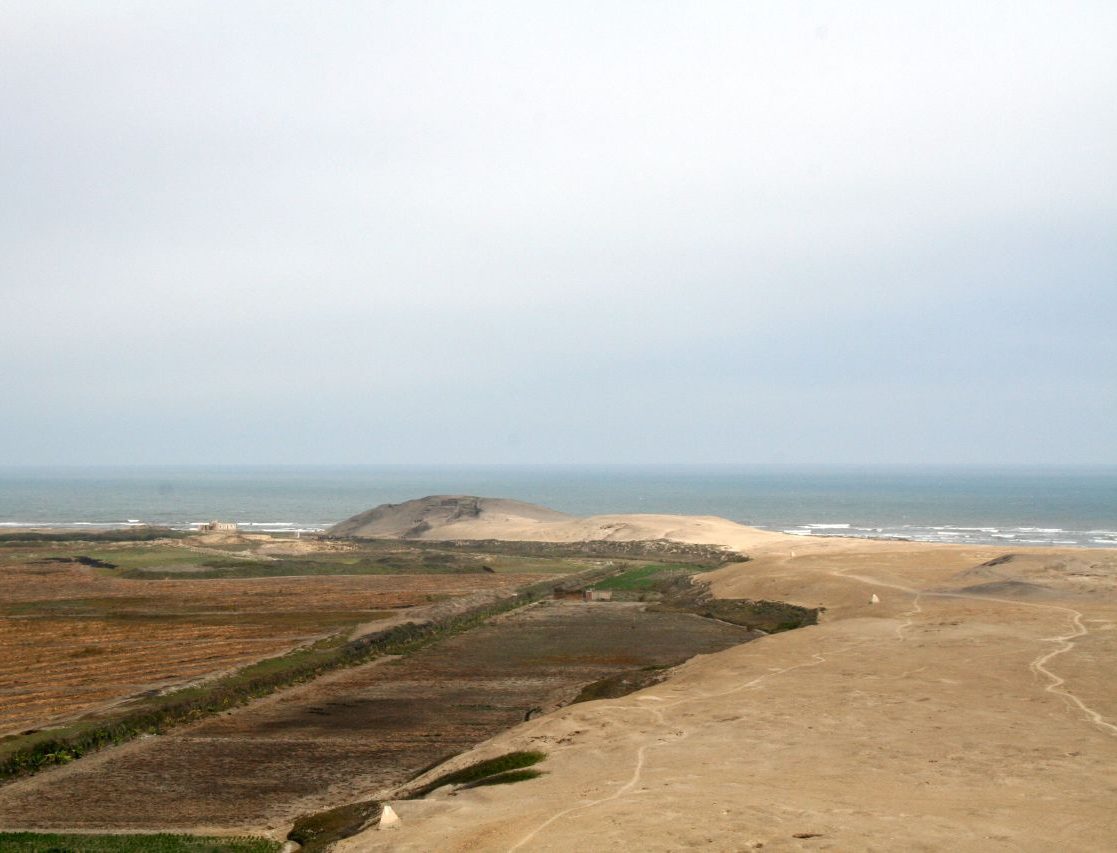
Huaca Prieta
Huaca Prieta stands as an awe-inspiring testament to ancient innovation and cultural richness. Located on the north coast of Peru, it beckons…